
Working dog vs family companion: how their psychological needs differ and why it matters
The single most common cause of behavior problems in pet dogs is the mismatch between the dog's working-dog genetics and the family-companion environment the dog is being asked to live in. The Border Collie that is destroying the couch, the German Shepherd that is barking at shadows, the Australian Shepherd that is herding the children, the Husky that is escaping the yard — these are not bad dogs. They are working-line dogs with working-dog drives that the family environment does not meet. The owner who understands the difference between a working dog and a family companion, and who matches the dog's environment to the dog's genetics, is the owner who avoids most of the behavior problems that drive rehoming. In this article I will walk through what "working dog" actually means in genetic terms, the breeds that are most prone to the mismatch, the specific drives that cause the behavior problems, and the management plan that meets the needs of both working and companion dogs.
What "working dog" means in genetic terms
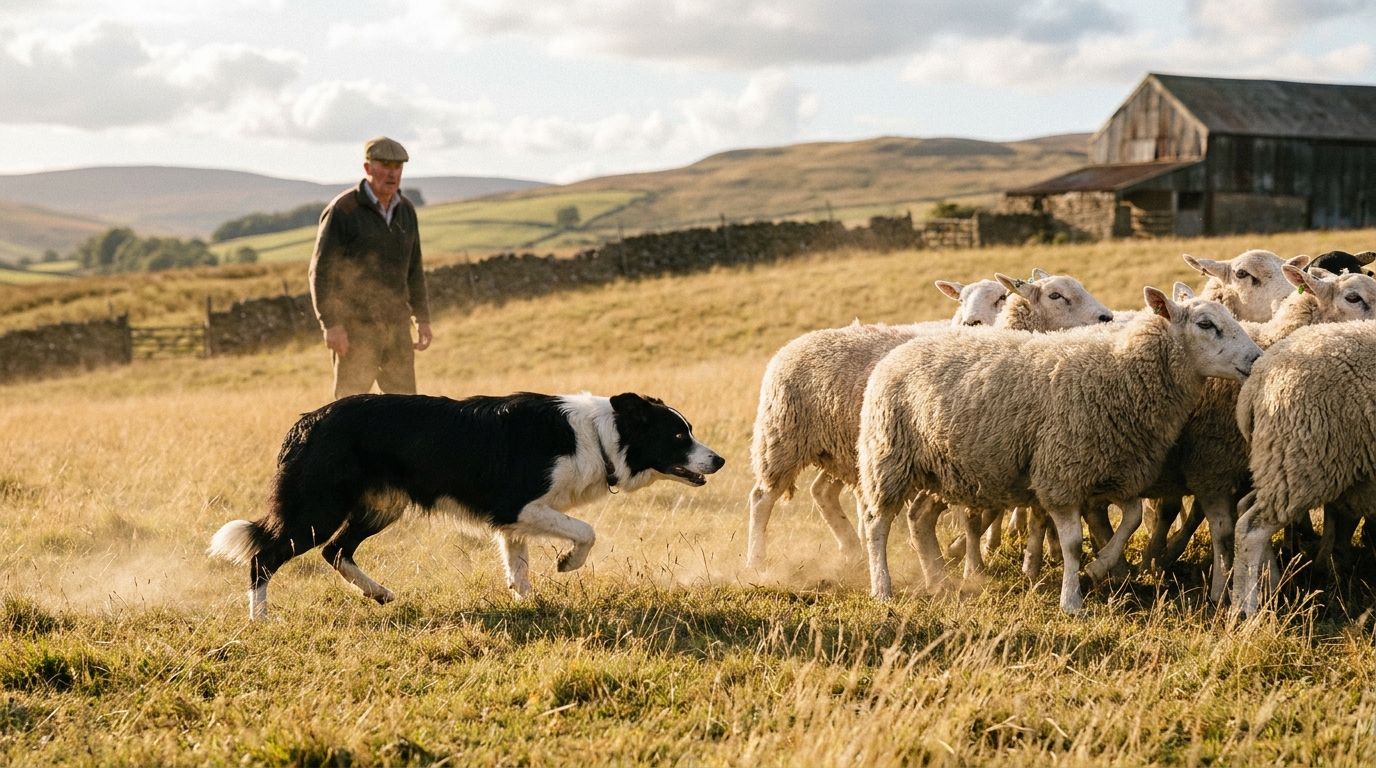
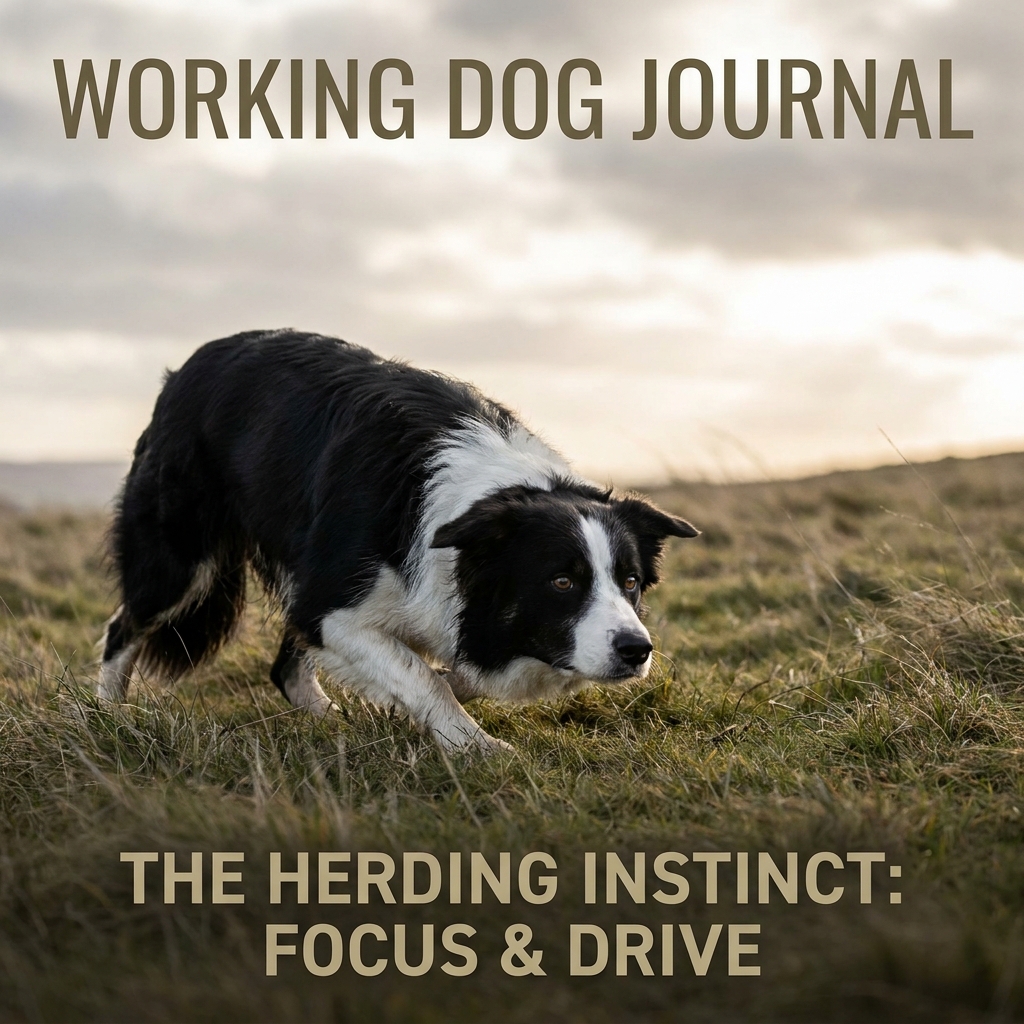
The working dog is a dog that has been selectively bred, often for centuries, for a specific task: herding livestock, guarding property, pulling sleds, hunting, retrieving, ratting, or detecting. The selection for the task has produced not just physical traits (the Border Collie's crouching posture, the German Shepherd's protective stance, the Husky's endurance) but psychological traits — drive, intensity, focus, prey drive, defense drive, social drive. The dog that comes from working lines has these drives in a high-intensity, high-stamina form. The dog that comes from show lines of the same breed has the same drives in a more moderate form. The dog that comes from a long line of family pets of a working breed has the drives in a more variable form, depending on the genetic lottery.
The drives that matter for the family-companion mismatch:
Prey drive. The drive to chase, catch, and "kill" moving objects. High in herding breeds (Border Collie, Australian Shepherd, Australian Cattle Dog), in terrier breeds (Jack Russell, Fox Terrier, Rat Terrier), and in sighthounds (Greyhound, Whippet). The dog with high prey drive in a family environment is the dog that chases the cat, the squirrel, the children running in the yard, the jogger on the sidewalk.
Defense drive. The drive to protect territory, the pack, or the family. High in guardian breeds (German Shepherd, Rottweiler, Doberman, Belgian Malinois), in mastiff breeds, and in some livestock guardian breeds. The dog with high defense drive in a family environment is the dog that barks at the mail carrier, lunges at the doorbell, and is suspicious of strangers in the home.
Herding drive. The drive to control the movement of other animals (or children). High in herding breeds, particularly Border Collies and Australian Shepherds. The dog with high herding drive in a family environment is the dog that nips at the children's heels, that circles the family during walks, and that "manages" the other pets in the household.
Social drive. The drive to be with the pack, the family, the humans. High in most companion breeds, moderate in working breeds, lower in independent breeds (some livestock guardians, some sighthounds). The dog with high social drive in a family environment is the dog that follows the owner from room to room, that panics when left alone (separation anxiety), and that demands constant interaction.
Energy and stamina. The physical capacity to work for hours. High in herding, working, and sporting breeds; moderate in most terrier and hound breeds; lower in some companion breeds (Bulldog, Basset Hound, Pekingese). The dog with high energy in a family environment is the dog that is not tired after a 30-minute walk and that finds its own entertainment (the couch, the trash, the door frame).
The breeds most prone to the mismatch
The Border Collie is the most prone. The breed was developed for 8-hour days of intense herding work, and the modern pet Border Collie inherits the drive, intensity, focus, and stamina of the working dog. The Border Collie in a family environment with two 30-minute walks per day is a Border Collie that has not had a chance to use even 10% of its daily energy budget. The result is the classic Border Collie behavior problems: obsessive herding of children or other pets, destructive chewing, fence-running, shadow-chasing, compulsive licking, and reactivity.
The German Shepherd is the second most prone. The breed was developed for protection and herding, and the modern pet German Shepherd inherits the drive for both. The German Shepherd in a family environment is the German Shepherd that is suspicious of strangers, that barks at the doorbell, that needs a job to feel fulfilled. The result: reactivity, anxiety, and the frustration behaviors that come from an understimulated working dog.
The Australian Shepherd is the third. Similar to the Border Collie in drive and intensity, with a slightly different mix of herding and guardian instincts. The Australian Shepherd in a suburban home is the Australian Shepherd that herds the children, that barks at the joggers, and that is not tired after a walk.
The Australian Cattle Dog, the Belgian Malinois, the Jack Russell Terrier, the Husky, the Dalmatian, the Weimaraner, the Vizsla, the German Shorthaired Pointer, and the Standard Poodle round out the breeds most prone to the mismatch. Each has a specific drive that the family environment does not meet, and each produces a specific behavior problem when the drive is not met.
The behavior problems that signal the mismatch
The dog that is destroying the home is a dog that does not have an outlet for its energy. The dog that is barking at every sound is a dog that has an overactive defense drive. The dog that is herding the children is a dog that has an unmet herding drive. The dog that is escaping the yard is a dog that has unmet physical and mental stimulation needs. The dog that is obsessive-compulsive (tail-chasing, shadow-chasing, blanket-sucking) is a dog that is using a maladaptive behavior to meet a need that is not being met in any other way.
The owner who recognizes the behavior problem as a drive problem, not a discipline problem, is the owner who addresses the right cause. The owner who tries to discipline the herding behavior out of the Border Collie is the owner who suppresses the behavior without addressing the drive, and the drive re-emerges in a different form (obsessive licking, for example). The owner who addresses the drive is the owner who provides an appropriate outlet (herding classes for the Border Collie, for example) and sees the unwanted behavior decrease.
The management plan for a working dog in a family home
The plan has four components: physical exercise, mental exercise, drive-appropriate outlets, and management.
Physical exercise. A working dog needs 1-2 hours of physical exercise per day, not 30 minutes. The exercise should be intense — running, hiking, swimming, fetch, not a slow leash walk. The Border Collie that has a 30-minute leash walk twice a day is the Border Collie that has not moved enough to feel tired. The Border Collie that has a 90-minute off-leash hike with other dogs is the Border Collie that comes home and sleeps for 4 hours.
Mental exercise. A working dog needs 30-60 minutes of mental exercise per day. The mental exercise can be training (obedience, trick training, scent work), enrichment (puzzle feeders, snuffle mats, food-dispensing toys), or job-like activities (herding classes, agility, scent detection). The mental exercise tires the dog faster than the physical exercise, and the mental exercise is what prevents the obsessive behaviors.
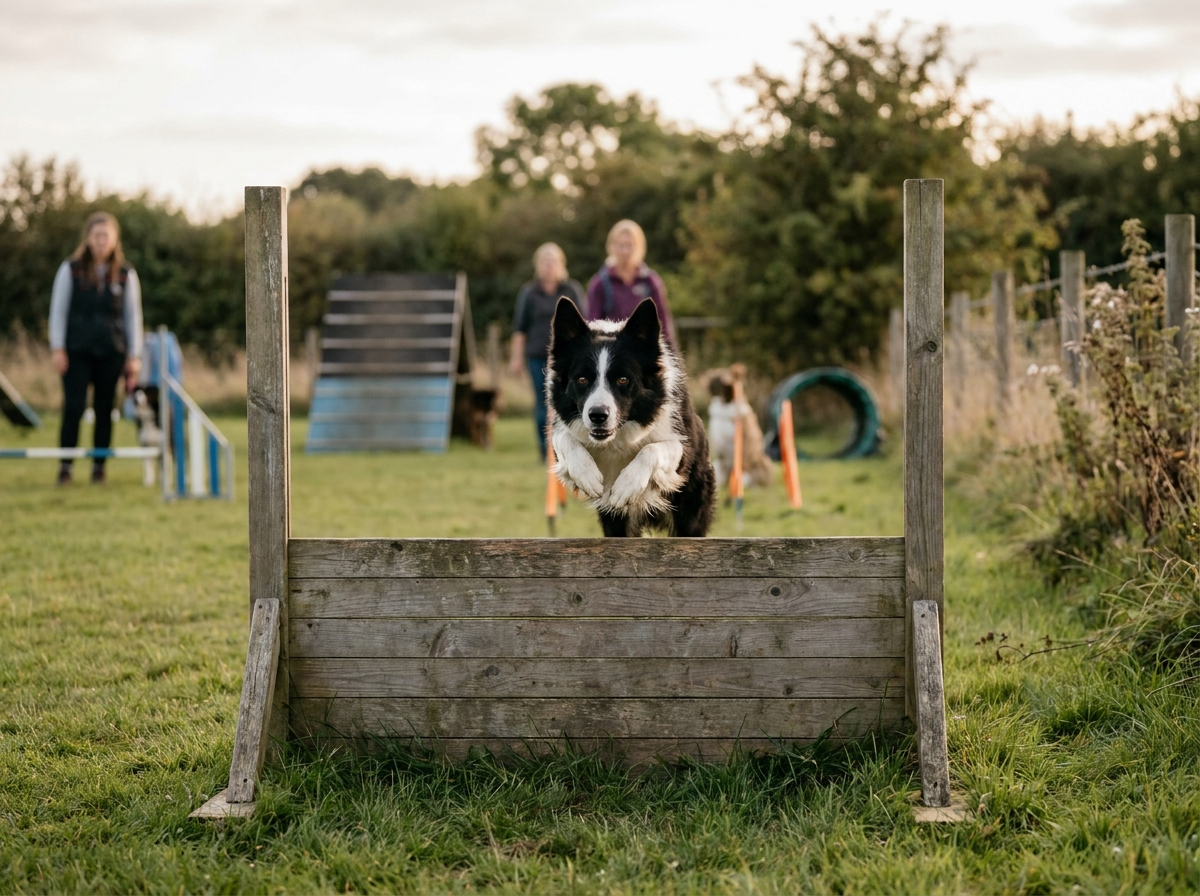
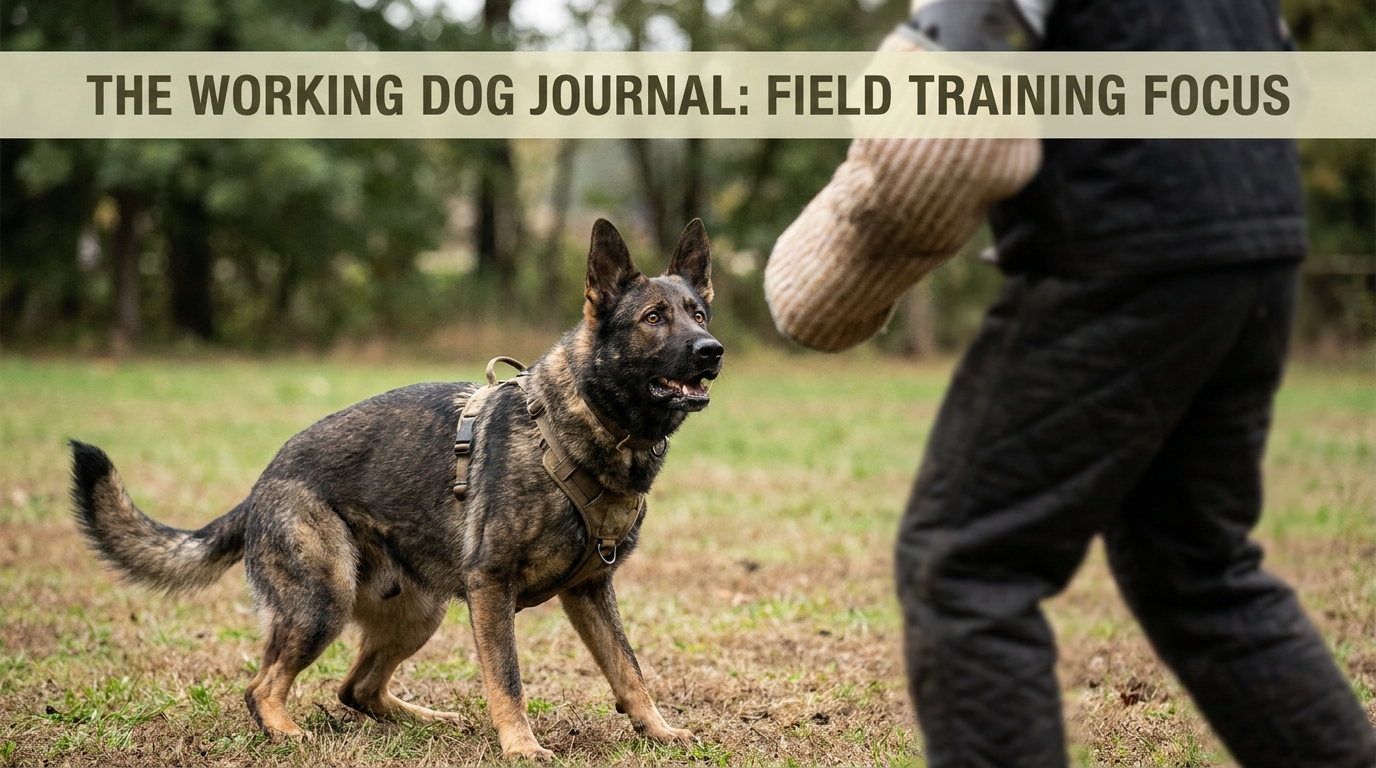
Drive-appropriate outlets. Each drive has an appropriate outlet. Prey drive: flirt pole, fetch, lure coursing, herding balls. Defense drive: protection training (with a qualified trainer), bite work (for working-line dogs only), or alert work (the dog that barks at a specific trigger and is rewarded). Herding drive: herding classes with livestock, herding balls, or a herding simulation. Social drive: dog sports that involve working with the handler (agility, obedience, rally, scent work), play dates with known dogs, or dog-friendly workplaces.
Management. The management is the part that prevents the dog from practicing the unwanted behavior. The dog that is unsupervised in the yard is the dog that is escaping, barking, or digging. The dog that is left alone for 8 hours is the dog that is destroying the home. The crate training, the dog walker, the doggy daycare, the fenced yard with supervision, the rotation of enrichment items — these are the management tools that prevent the unwanted behavior from being practiced and reinforced.
The family companion dog
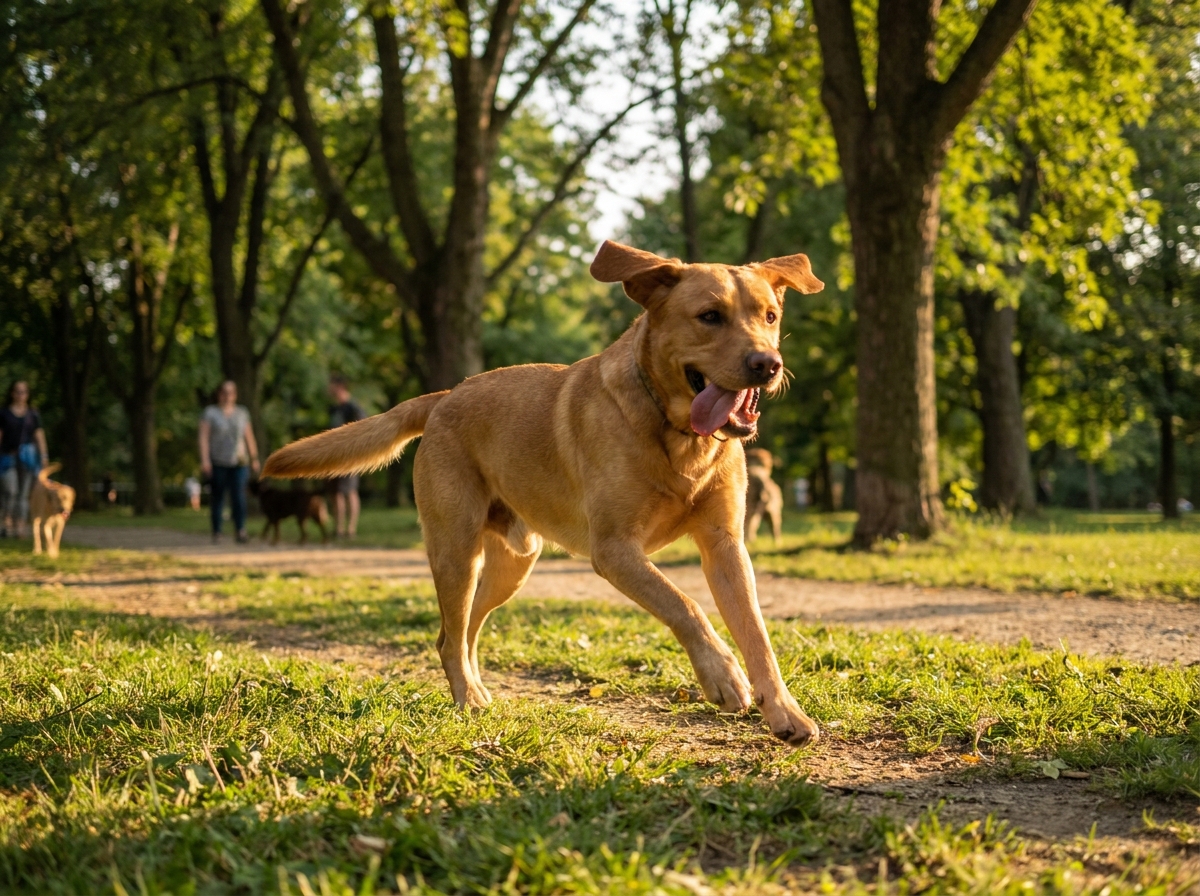
The family companion dog — the Labrador, the Golden Retriever, the Cavalier, the Bichon, the Shih Tzu — has been bred for a lower drive level, a higher social drive, and a lower energy and stamina. The family companion dog is happy with two 30-minute walks, a couple of training sessions, and a lot of cuddle time. The family companion dog is the dog that fits the typical family environment without the mismatch.
The owner who wants a working-dog breed and a family-companion environment has to make the choice. The owner who wants the Border Collie but does not have the time, the energy, the training skill, or the living environment to meet the Border Collie's needs is the owner who is going to have behavior problems. The fix is either to choose a different breed (a lower-drive breed from the herding group, or a family companion breed) or to commit to meeting the working dog's needs. The Border Collie that gets its needs met is a Border Collie that is one of the most rewarding dogs to live with. The Border Collie that does not get its needs met is a Border Collie that ends up in a shelter.
The one-page summary
The working dog and the family companion are two different dogs with two different sets of psychological needs. The working dog in a family environment that does not meet its needs is a dog that develops behavior problems. The owner who understands the difference, who matches the environment to the dog's genetics, and who provides the physical exercise, mental exercise, drive-appropriate outlets, and management that the dog needs is the owner who avoids the behavior problems. The owner who buys a Border Collie and expects it to be a couch dog is the owner who is going to have a couch-destroying, child-herding, fence-escaping dog within 6 months. The choice of breed is the choice of lifestyle. The breed that matches the lifestyle is the breed that works.