
Heart disease in dogs: a low-sodium diet plan that fits real life
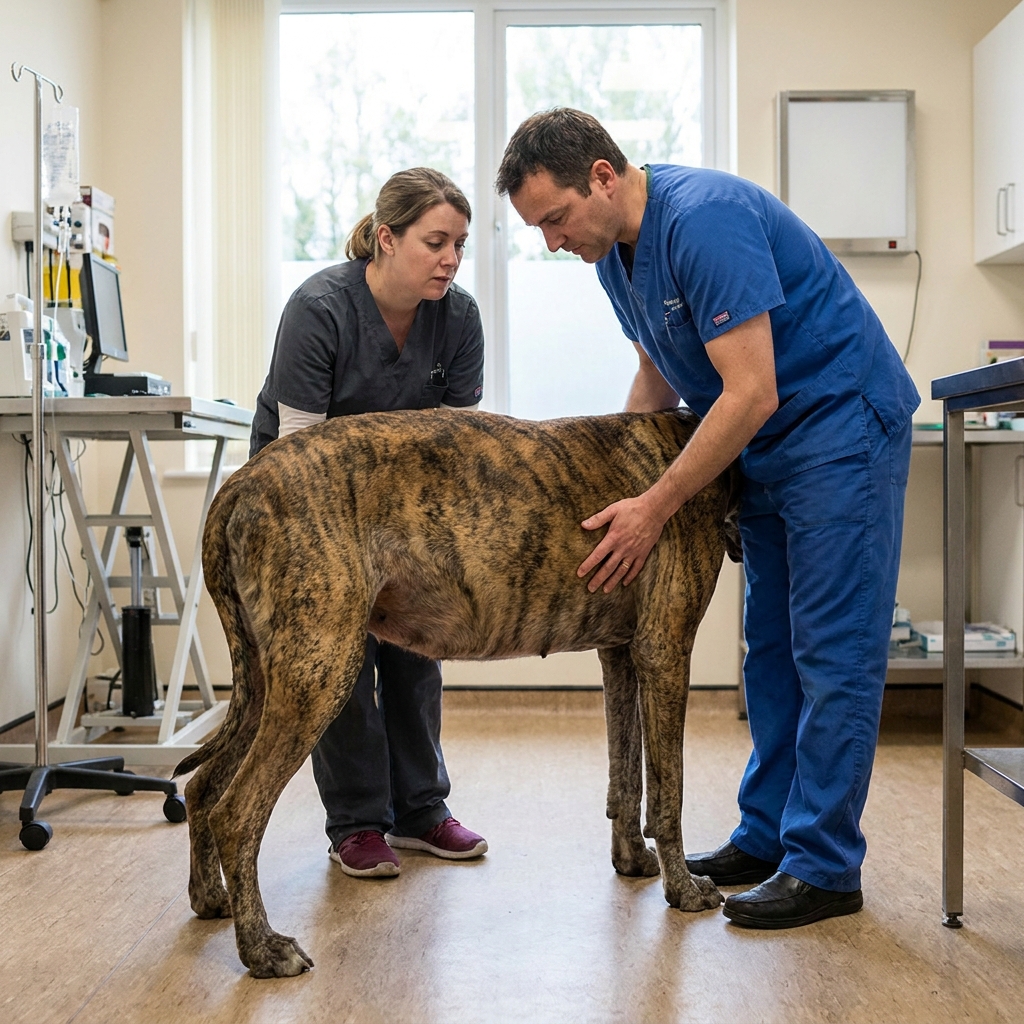
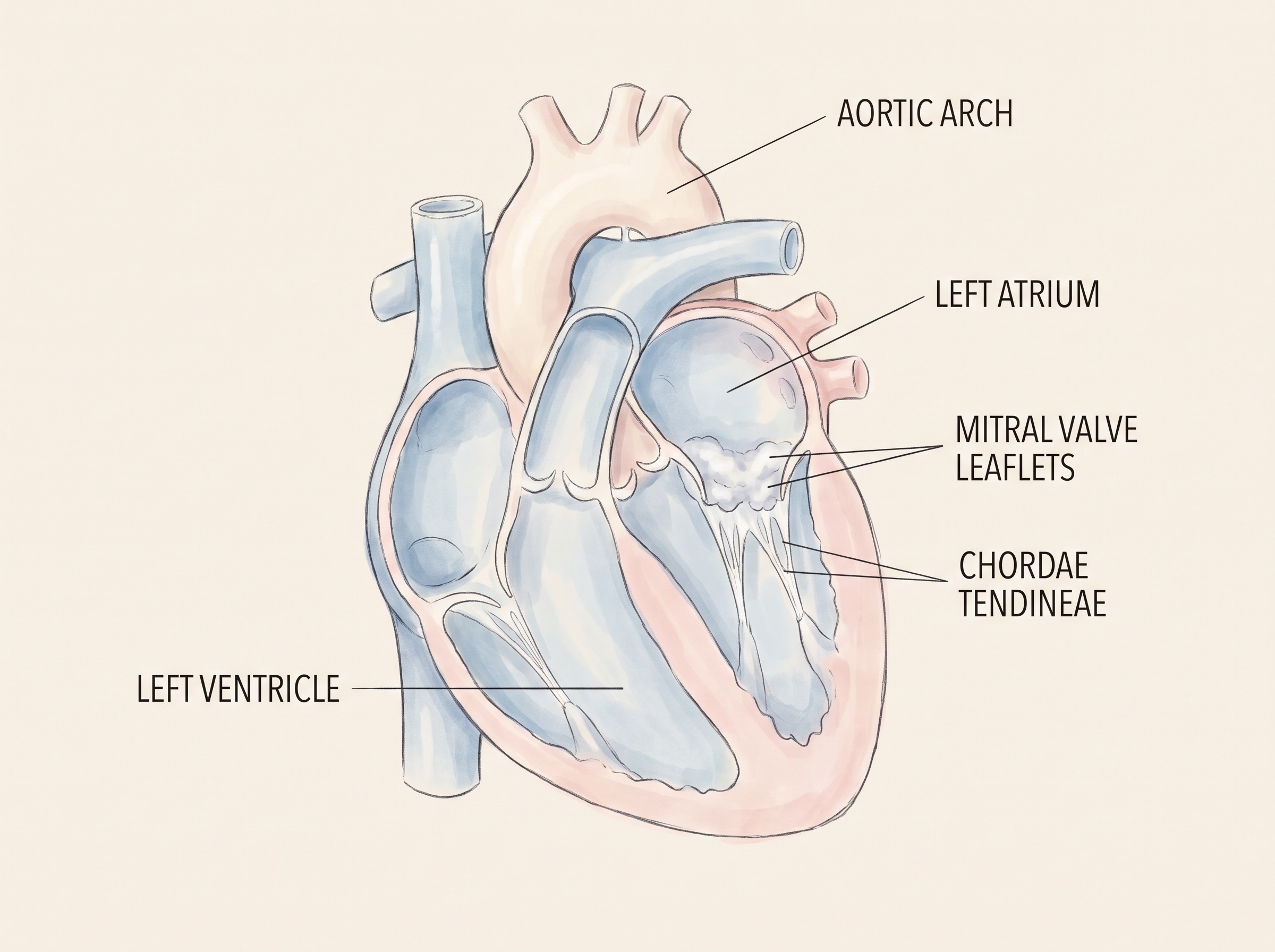
When a dog is diagnosed with myxomatous mitral valve disease (MMVD) or dilated cardiomyopathy (DCM), most owners focus on the medication — pimobendan, furosemide, an ACE inhibitor, possibly spironolactone. Diet feels like a footnote. It is not. In twelve years of canine nutrition referral, the dogs whose owners treated food as part of the prescription lived measurably longer, needed fewer dose escalations, and held lean body mass further into disease. The dogs who carried on adult maintenance kibble quietly worked against the medications every day.
A cardiac diet is not "less salt." It is a stacked intervention across four mechanisms — sodium balance, cardiac cachexia, inflammation, and micronutrient depletion — and each has a target number.
Sodium: how low is low, and which stage is the dog in
The most important number in a cardiac diet is daily sodium, and the target depends on the ACVIM stage. The ACVIM consensus is the framework most cardiologists use to grade MMVD and DCM.
| ACVIM stage | Clinical picture | Daily sodium target (per kg body weight) |
|---|---|---|
| B1 (asymptomatic, mild) | Murmur, no enlargement | 80–100 mg/kg |
| B2 (asymptomatic, enlarged) | Murmur, radiographic enlargement | 50–80 mg/kg |
| C (congestive heart failure) | Cough, pulmonary oedema | 30–50 mg/kg |
| D (refractory) | Symptoms despite therapy | under 30 mg/kg |
For context, a typical adult maintenance kibble like Purina ONE SmartBlend Lamb & Rice delivers 350–450 mg sodium per 100 kcal — roughly 250–400 mg/kg body weight per day for a 10 kg dog. Fine for a healthy adult, three to five times too much for B2, and roughly ten times too much for Stage C.
This is why prescription cardiac diets exist. Hill's Prescription Diet h/d sits at about 17 mg sodium per 100 kcal, Royal Canin Early Cardiac at around 60 mg per 100 kcal for early disease, and Purina Pro Plan Veterinary Diets CardioCare between them at roughly 35 mg per 100 kcal. These are not interchangeable — Early Cardiac is built for B1, while h/d and CardioCare cover B2 through C. Choosing the wrong one is the most common mistake I see in referral.
Protein: protect it, do not restrict it
The biggest error owners make when they hear "heart diet" is to assume the dog should eat less protein. This is wrong, and in some older texts it was actively harmful. The failing heart is a protein-hungry organ, and cardiac cachexia — the loss of lean body mass that gives end-stage dogs their wasted look — is driven by protein breakdown outpacing protein synthesis.
A cardiac diet should sit at the high end of normal protein, around 25–30% of metabolizable energy for most adults and 30%+ for cachectic patients. Quality matters more than quantity. Good sources:
- Cooked skinless chicken or turkey breast — roughly 8–10% of body weight in grams per day for a fresh-food base
- Eggs — one large cooked egg per 5 kg body weight per day as a high-bioavailability protein booster
- White fish (cod, haddock, tilapia) for dogs with concurrent pancreatitis risk
- Prescription cardiac kibbles — Hill's h/d delivers 4.7 g protein per 100 kcal, Royal Canin Early Cardiac sits higher at 6.2 g per 100 kcal
For dogs already losing muscle, I add a whey protein isolate (unflavoured, no sweeteners) at 0.5 g per kg body weight per day, mixed into wet food. This is a referral-level intervention — discuss with the cardiologist first, because renal function needs monitoring.
Omega-3s: the dose that actually moves the needle
Cardiologists agree on the principle — omega-3s reduce arrhythmia risk, lower inflammatory cytokines, and may slow muscle wasting — and disagree on the practical dose. The dose that survives scrutiny in the veterinary cardiology literature is 75–100 mg combined EPA + DHA per kg body weight per day, with a 1:2 EPA:DHA ratio preferred. Lower than that, you get a placebo effect on a blood marker but no clinical signal.
Three ways to hit it:
- Prescription cardiac diets — Hill's h/d and Purina CardioCare are both fortified with fish oil at clinically meaningful levels. Feed the recommended amount and you are covered.
- Veterinary fish oil — Welactin (Nutramax) or Nordic Naturals Pet Cod Liver Oil deliver known EPA/DHA per pump or mL. For a 10 kg B2 dog, roughly 1.5 mL of a concentrated oil per day. Refrigerate and check oxidation value (TOTOX under 20 is the published quality bar).
- Whole fish — cooked boneless sardines in water (no salt added) at roughly 30 g per day for a 10 kg dog. "No salt added" matters; brine-packed sardines will undo the sodium work elsewhere.
I avoid cod liver oil as a primary source because of the vitamin A load at therapeutic doses.

Taurine and carnitine: when to test, when to supplement
Taurine and L-carnitine are conditionally essential for the canine heart, and a subset of DCM cases — particularly in American Cocker Spaniels, Golden Retrievers, Newfoundlands, and some lines of Dobermans — are directly caused or worsened by deficiency. Plasma taurine under 60 nmol/mL and whole-blood taurine under 200 nmol/mL both warrant supplementation, as does any plasma carnitine deficit.
Two rules I follow:
- Any DCM diagnosis without a known genetic cause gets a taurine and carnitine panel before supplementation. Treating empirically is fine for breeds with a known predisposition, but the lab data tells you whether you are dealing with a nutritional problem or a primary cardiomyopathy.
- If supplementing, the dose is taurine 500 mg per 10 kg body weight twice daily, and L-carnitine 50 mg per kg body weight twice daily, mixed into food. Taurine is tasteless and easy. Carnitine is sour — most dogs accept it in a wet food topper, but a few refuse. Ask the cardiologist about injectable L-carnitine as a bridging option for refusals.
For Golden Retrievers, the 2018 UC Davis study documented diet-associated DCM in dogs on grain-free, legume-heavy diets, and roughly 80% of those dogs had at least one taurine measurement below the reference range. If you are feeding a breed with documented predisposition, ask for a baseline taurine before you change anything.
The four mistakes owners make in the first 30 days
After a hundred cardiac consults, the failure modes are predictable.
Mistake 1: switching abruptly. A dog on adult maintenance kibble cannot go straight to a strict cardiac diet in 24 hours. The palatability gap is real, and a heart failure dog that stops eating for two days is a medical emergency. Transition over 7–10 days at increasing ratios, and warm wet food to body temperature to boost aroma.
Mistake 2: ignoring treats and table food. A single slice of deli turkey can deliver 200–300 mg of sodium — for a Stage C dog on a 30 mg/kg target, that one treat blows the entire day's budget. The standard 10% rule for treats tightens to 5% for cardiac dogs. Use frozen green beans, carrot coins, or apple slices.
Mistake 3: underestimating the wet-vs-dry sodium difference. For Stage C and D dogs, I almost always move to an all-wet or wet-heavy diet. Canned Hill's h/d and Royal Canin Cardiac are dramatically lower in sodium per kcal than their dry counterparts, and they help with hydration — which matters because furosemide pulls water along with sodium. A dehydrated dog on furosemide is heading toward prerenal azotemia.
Mistake 4: not weighing the dog every two weeks. Cardiac cachexia is silent until it is not. A 10 kg dog that has lost 1 kg of lean mass is in trouble, and the owner often does not notice. Use a baby scale, weigh at the same time of day every two weeks. A drop of more than 5% body weight in 30 days is a flag for the cardiologist.

A real example: 9 kg Cavalier King Charles Spaniel, MMVD Stage C
Bella, a 9 kg Cavalier, presented at 8 years old with a 3/6 left apical systolic murmur, an enlarged left atrium on radiograph, and a resting respiratory rate of 38 breaths per minute. Cardiology started pimobendan 5 mg twice daily, furosemide 10 mg twice daily, and benazepril 5 mg once daily. The referral was for diet.
The plan: Hill's h/d canned at 200 g per day split across three meals (about 260 kcal/day, just under maintenance for a 9 kg low-activity dog), 40 g cooked skinless chicken breast as a protein topper, 1 mL Welactin in the morning meal, an audit of every treat and chew (which caught two deli-meat training treats and a salted Himalayan chew adding 180 mg sodium per day — the entire daily budget), and a water fountain.
Bella's resting respiratory rate dropped from 38 to 26 over six weeks. Her furosemide dose did not need escalation for eleven months — at the better end of the typical MMVD progression curve. The owner credits the medication. I credit the medication plus a diet that stopped quietly working against it.
The conversation to have with your cardiologist this week
If your dog has just been diagnosed with MMVD, DCM, or any structural heart disease, three things for the next appointment:
- Ask for the ACVIM stage in writing. It drives the sodium target, the protein target, and the diet choice.
- Request a baseline taurine and carnitine panel — especially in Cocker Spaniels, Golden Retrievers, Newfoundlands, Dobermans, and any dog on a grain-free or legume-heavy diet.
- Bring every treat, chew, and supplement you currently give. The cardiologist will catch sodium and electrolyte loads the rest of the visit does not have time to surface.
A cardiac diet is not a lifestyle choice. It is part of the prescription. Done well, it lets the medications do their job without quietly working against them.