
Senior dog (7+) annual screening checklist: the tests that catch what the exam misses
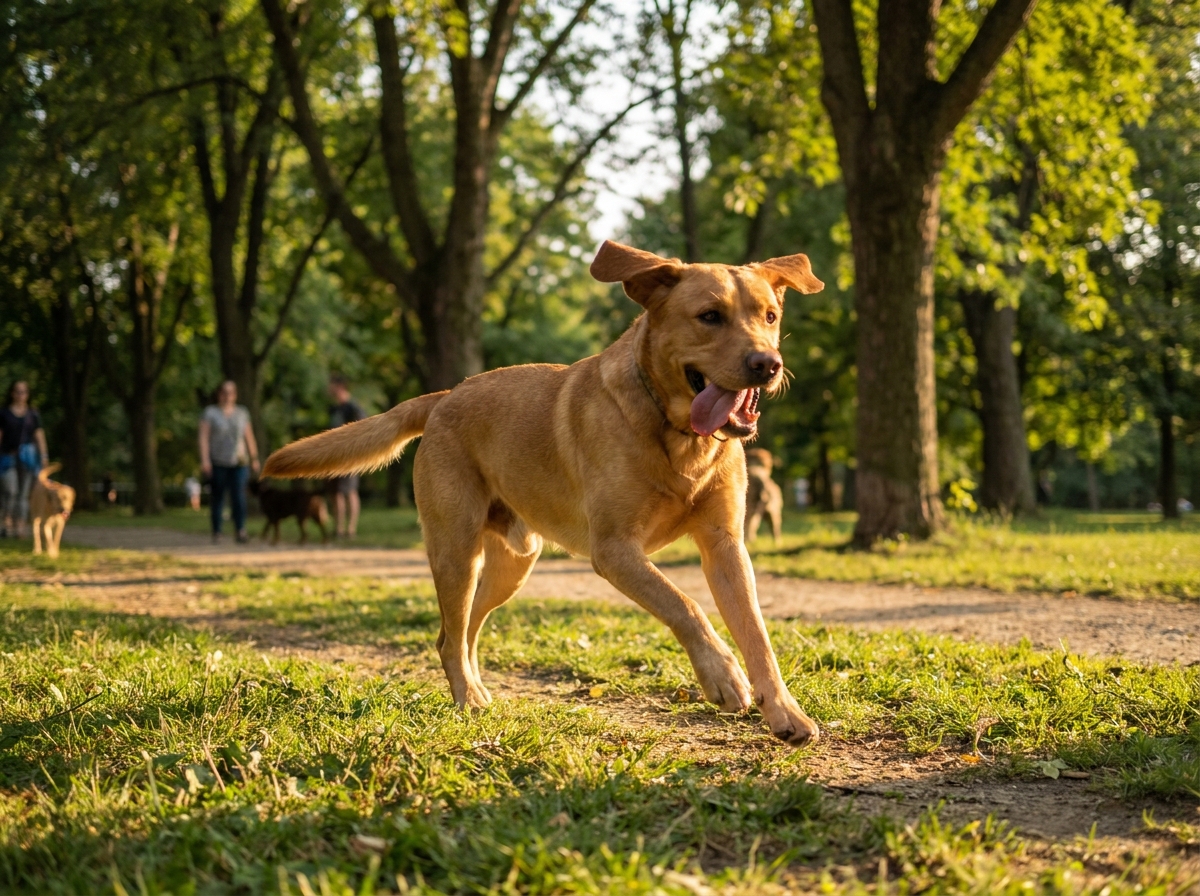
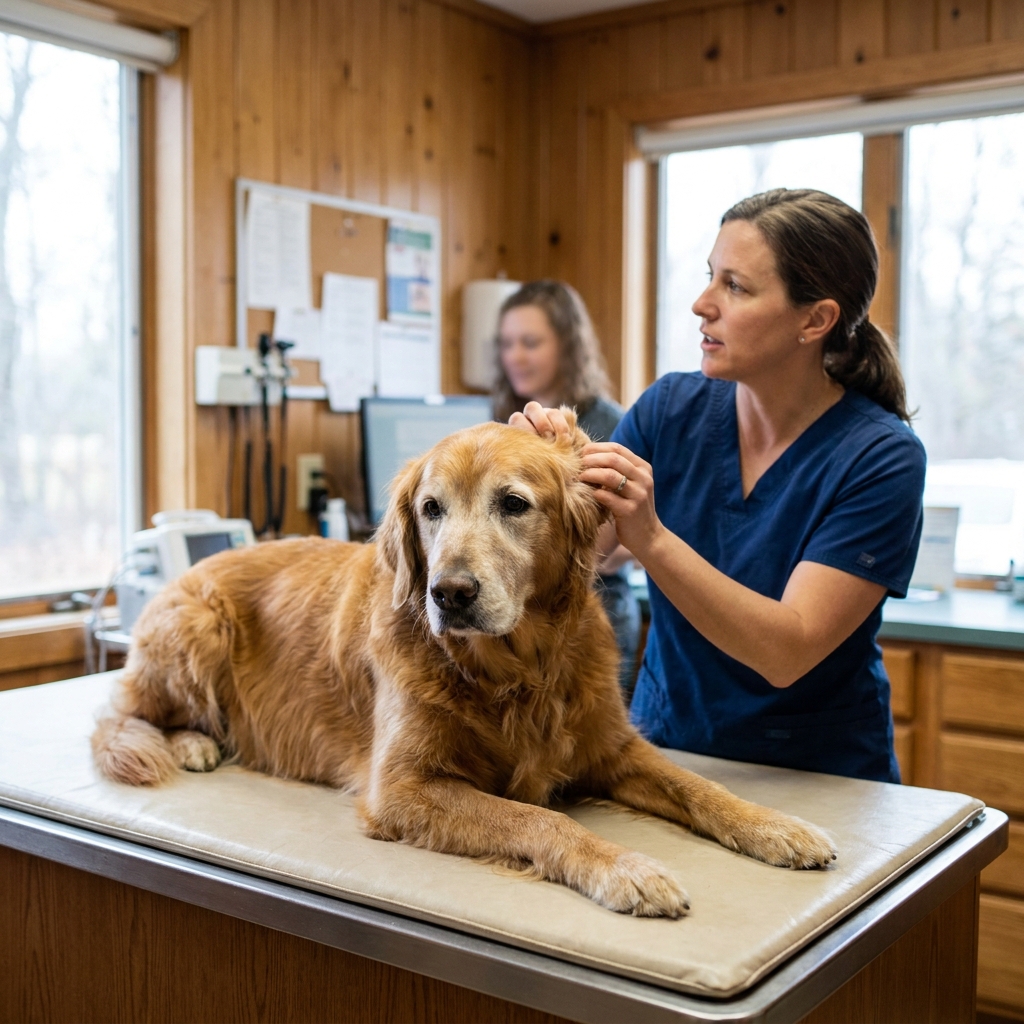
Last month a 9-year-old yellow Lab walked into Bayview for his annual DA2PP booster. The owner said he was "great" — clean auscultation, soft abdomen, bright eyes. I drew blood anyway. The chemistry came back with SDMA 22 µg/dL (normal ≤ 14), creatinine 1.6 mg/dL, urine specific gravity 1.018, and a trace of protein. The dog was in IRIS Stage 1 chronic kidney disease — caught 18 to 24 months before the owner would have noticed increased thirst. That is the value of a senior screen. It is not about confirming what you already know. It is about finding disease while there is still time to slow it down.
This is the protocol I run in-clinic. Use it as the conversation starter with your own vet.
When a dog is officially "senior"
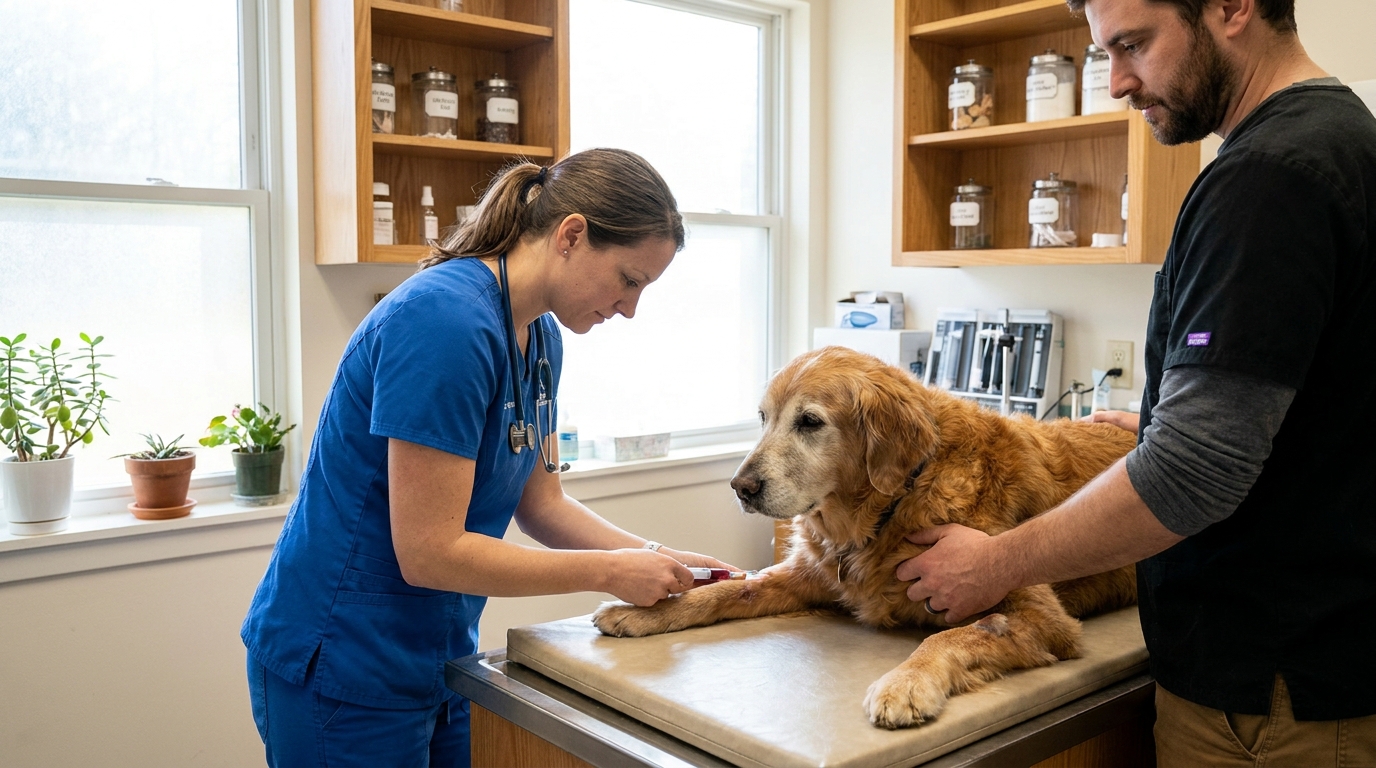
"Senior" is a size-dependent threshold, not a fixed age. The larger the breed, the earlier the clock starts.
| Adult size | Senior at | Geriatric at |
|------------|-----------|--------------|
| Small (≤ 10 kg) | 10–11 yr | 13+ yr |
| Medium (10–25 kg) | 9–10 yr | 12+ yr |
| Large (25–40 kg) | 8–9 yr | 11+ yr |
| Giant (40+ kg) | 6–7 yr | 10+ yr |
That 7-year-old Great Dane is biologically older than a 10-year-old Miniature Poodle. For most pet dogs, plan the first full senior panel at age 7, then annually.
Breed-specific priors also matter:
- Cavalier King Charles Spaniel, small terriers: mitral valve disease
- Doberman, Boxer, Great Dane, Irish Wolfhound: dilated cardiomyopathy
- Golden Retriever, Bernese, Flat-Coated Retriever: hemangiosarcoma, lymphoma
- German Shepherd: degenerative myelopathy, hemangiosarcoma
- Scottish Terrier, Westie, Beagle, Sheltie: transitional cell carcinoma
- Labrador: obesity-driven osteoarthritis, laryngeal paralysis
- Dachshund, Corgi, Basset: intervertebral disc disease
A "standard" panel is fine for a mixed-breed. A breed-prioritized panel (cardiac echo for a Cavalier, abdominal ultrasound for a Golden) catches more.
The minimum database: CBC, chemistry, urinalysis, total T4
For a healthy-looking senior dog, four tests catch roughly 80% of subclinical disease:
1. CBC. Look for mild non-regenerative anemia (HCT 32–36% in a senior dog is a yellow flag — chronic kidney disease, GI blood loss, early myelodysplasia), lymphopenia (Cushing's, chronic disease), and thrombocytopenia (tick-borne disease, immune-mediated destruction, occult bleed).
2. Comprehensive chemistry. I run a 17-parameter panel that includes:
- SDMA — symmetric dimethylarginine. This is the early-warning marker for kidney function. Normal ≤ 14 µg/dL. SDMA 15–19 with a dilute urine is IRIS Stage 1 CKD. Recheck in 2 weeks, then 3 months, then twice yearly. Start a renal diet at IRIS Stage 2 (creatinine 1.4–2.0 in dogs).
- Creatinine, BUN, phosphorus — interpret as a trio. BUN alone is noisy (a high-protein meal spikes it); creatinine alone is insensitive (you lose 75% of nephron function before it rises). SDMA catches what those two miss.
- ALT, ALP, GGT, bilirubin, albumin — liver panel. ALP 2–3× normal in a senior dog with a pot-bellied appearance and panting is Cushing's until proven otherwise. Confirm with a low-dose dexamethasone suppression test or ACTH stimulation.
- Fasting glucose + fructosamine — fructosamine reflects the average blood glucose over the previous 2–3 weeks. Fasting glucose 110–130 mg/dL with fructosamine 320–360 µmol/L is pre-diabetic. Tighten the diet, drop 5% of body weight, recheck in 3 months.
- Electrolytes, total protein, A:G ratio, cholesterol.
3. Urinalysis — free-catch, first morning sample. I will not run a senior panel without one. Two findings matter more than anything else in the chemistry:
- USG < 1.020 in a dog that is not on a diuretic and is not drinking excessively = inadequate concentrating ability. Pair with SDMA ≥ 18 = CKD.
- UPC > 0.5 = clinically significant proteinuria. UPC > 2.0 in a non-azotemic dog = pre-glomerular disease and a cardiology consult, not a wait-and-see. A single dipstick "1+" is not enough; you need the ratio.
4. Total T4 (with free T4 by equilibrium dialysis if low). Low T4 in a tired, overweight, alopecia'd dog = hypothyroidism. Levothyroxine 0.02 mg/kg PO q12h, recheck T4 in 4–6 weeks, 4–6 hours after the morning dose. Target is high-normal.
Imaging: when chest x-ray and abdominal ultrasound earn their cost
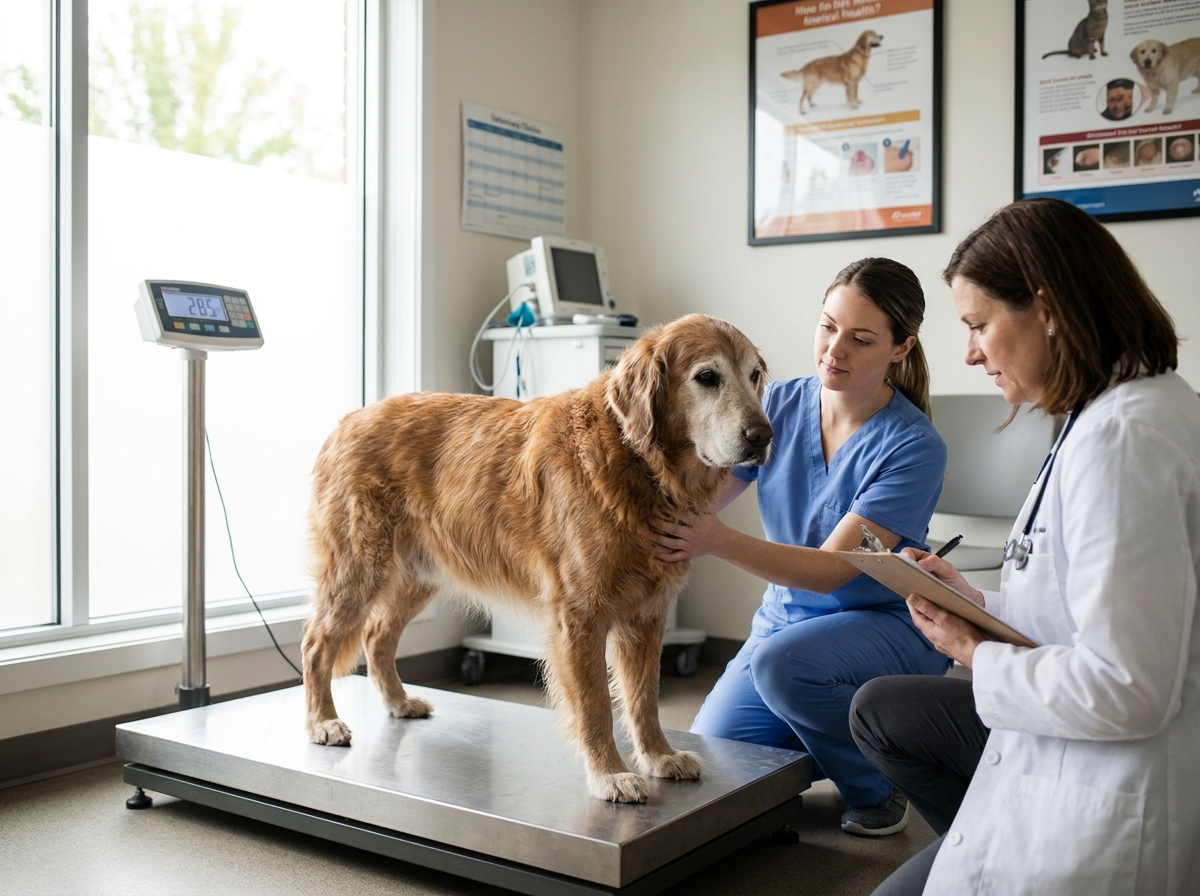
Imaging is the line between "basic" and "complete" senior screening. The right answer depends on the dog.
Three-view thoracic radiographs ($120–$250): worth it for any dog with a murmur, a cough, or a breed-prior risk for heart disease or lung metastases. Also worth a baseline at age 8 for retrievers and boxers.
Abdominal ultrasound ($300–$500): the single best test for occult cancer in seniors — splenic nodules, adrenal enlargement, liver lesions, sublumbar nodes, bladder masses. I recommend it for every senior Golden, every senior Bernese, and any dog with an unexplained chemistry value.
Echocardiogram ($400–$700) by a Board-certified cardiologist, not the in-clinic ultrasound, for any dog with a new murmur, an arrhythmia, or a breed-prior risk. If the murmur is innocent, you stop. If it is early MMVD, you start pimobendan 0.25–0.3 mg/kg PO q12h and benazepril 0.5 mg/kg PO q24h while the dog is still preclinical — the EPIC trial shifted the timing forward to ACVIM Stage B1/B2, not B2 with symptoms.
Cardiac and cancer: the two leading killers
Cardiac disease and cancer account for most senior dog deaths. Each has a one-shot screening test.
- NT-proBNP ($50–$80): a normal NT-proBNP in a dog with a soft murmur means the heart is structurally fine. A markedly elevated result means the heart is enlarged or failing — the echo should happen this week, not this month.
- Cancer screening: fine-needle aspirate of any new mass ≥ 1 cm, abdominal ultrasound at senior baseline, thoracic radiographs for any unexplained cough or weight loss, urine sediment exam for transitional cell carcinoma cells in terrier breeds.
Mast cell tumors: a "small lipoma" that has been there for 6 months but is now itchy, red, or bigger is no longer a lipoma. Aspirate. The difference between grade I (curable with surgery) and grade II/III (life-shortening) is what the cytology says.
Pre-visit prep that actually changes the result
The day-of decisions are made the night before. Send the owner home with this list:
- Fast 8–12 hours (water is fine) — a non-fasting triglyceride can fake out the chemistry.
- Collect a first-morning urine sample in a clean jar, refrigerated, brought in within 4 hours. No sample is the single biggest reason a senior screen underperforms.
- Bring every medication and supplement, including joint chews. NSAIDs, CBD, and SAMe all shift liver values.
- Write down five observations: appetite, water intake, sleep, energy, one new behavior.
- Weigh the dog at home. A 10% loss over 6 months is never "he's just more active."
When to escalate: thresholds that mean "do not wait"
This is the section the front desk should pin to the whiteboard. Numbers outside these ranges warrant a same-day call to the owner, not the next routine appointment.
Recheck within 2 weeks if:
- SDMA 15–19 with USG 1.008–1.020
- Fasting glucose 130–180 mg/dL (rule out stress hyperglycemia with fructosamine)
- ALP 2–3× upper limit, asymptomatic
- UPC 0.5–1.0
- Single splenic nodule < 1 cm on ultrasound, no anemia
Same-week veterinary visit if:
- SDMA ≥ 20 with USG < 1.020
- Creatinine ≥ 2.0 mg/dL in a stable, drinking dog
- Fasting glucose ≥ 200 mg/dL with glucosuria
- UPC > 2.0
- New heart murmur with NT-proBNP elevation
- Any skin mass ≥ 1 cm that has changed in the last 30 days
- ALP > 5× upper limit
- PCV < 32% with reticulocytes
- Platelet count < 80,000/µL
Same-day ER visit if:
- SDMA ≥ 25 with creatinine ≥ 3.0 and the dog is vomiting or not eating
- Acute collapse with pale gums and heart rate > 160 bpm
- Bloated abdomen with weakness (suspect hemangiosarcoma bleed)
- Sudden blindness with dilated pupils (SARDS vs retinal detachment)
- Repeated seizures in a dog that has never seized
Refer to a specialist if:
- Echocardiogram shows DCM in a Doberman, Boxer, or Giant — cardiologist for pimobendan 0.25 mg/kg PO q12h plus recheck every 6 months
- Suspected Cushing's with concurrent diabetes or thromboembolism risk — internist
- Any abdominal mass needing surgical planning — surgical oncologist
- Persistent proteinuria with progressive azotemia — internist for ACE-inhibitor titration and renal diet selection
Common owner responses, and the actual answer:
- "He's not sick — why are we doing this?" — Because the screen finds disease before the dog looks sick. By then, treatment is harder and shorter.
- "We did bloodwork last year, it was fine." — A clean panel buys you 12 months, not a lifetime. CKD, cancer, and heart disease all develop between panels.
- "Can we just do the cheap version?" — Yes. Run the minimum database (CBC, chem, UA, T4) for ~$200, skip imaging, re-evaluate in 6 months. A partial screen beats no screen.
- "He's 14, is this worth it?" — A 14-year-old in good health on a clean panel is a candidate for whatever intervention the next abnormal value demands. Age is a number; the labs are the decision.

The bottom line
A senior dog annual screen is CBC, comprehensive chemistry with SDMA, urinalysis with UPC, total T4, plus — for any dog with a murmur, a breed-prior risk, or unexplained lab changes — thoracic radiographs, abdominal ultrasound, NT-proBNP, and echocardiogram. Basic panel $200–$350. Full workup $700–$1,200. Either one pays for itself the first time you catch a Stage 1 kidney, a small mast cell tumor, or a preclinical heart that is still reversible with pimobendan.
If you only do one thing this year, do the urinalysis. If you do two, add the SDMA. If you do three, add the abdominal ultrasound. The dog that gets screened annually lives longer and better than the dog that gets screened only when something is wrong. That has been true for 25 years of small animal medicine.
---
This protocol reflects 2025–2026 ACVIM consensus on small animal CKD staging, the EPIC trial pimobendan timing data, and AAHA senior care guidelines. Local lab reference ranges vary; interpret in the context of your own dog's baseline, breed, and clinical exam. This article is informational and does not replace an in-person veterinary exam.