

Chronic kidney disease in dogs and cats: a 2026 IRIS-based home care plan
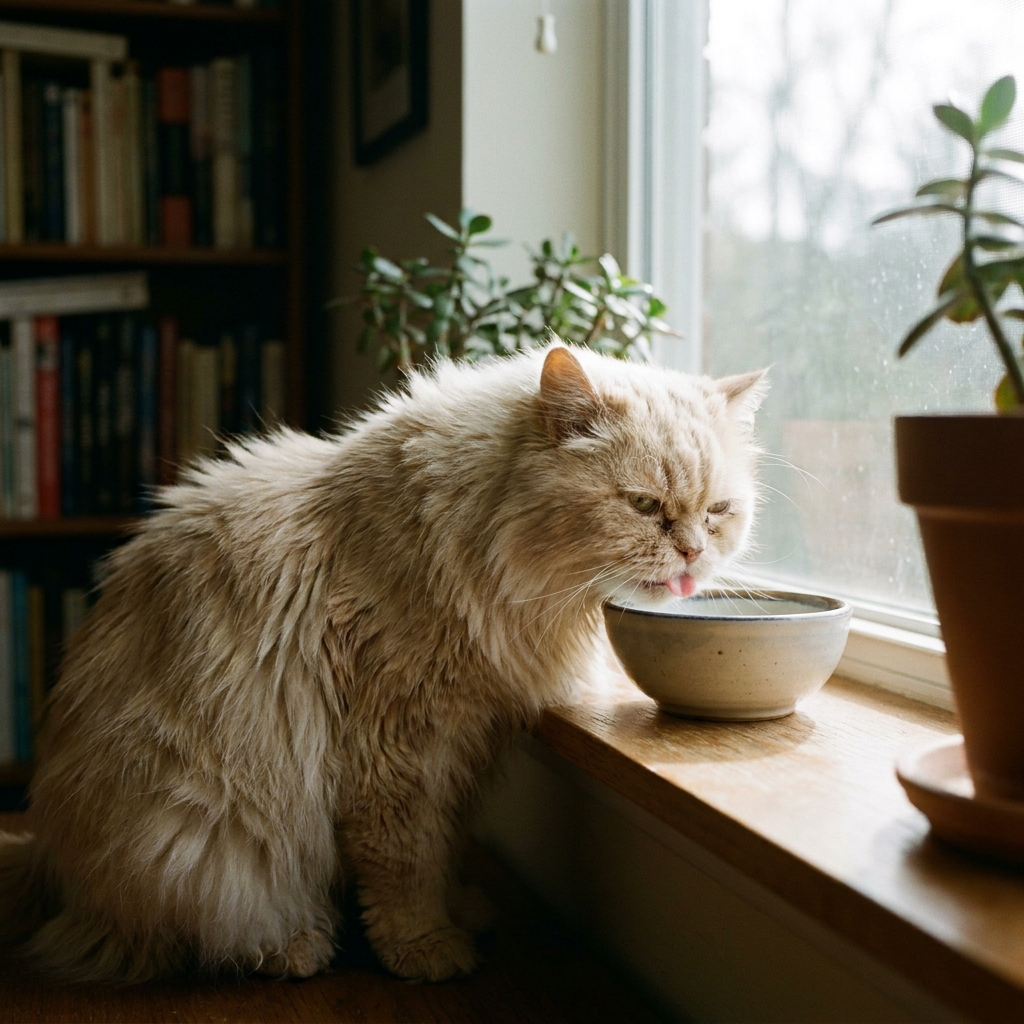
A 14-year-old domestic shorthair has been watching the bathroom tap drip for three months. The owner has been refilling the water bowl twice a day. The cat has lost half a kilo. The lab work comes back with creatinine 3.4 mg/dL, BUN 68, phosphorus 7.2, USG 1.014, UPC 0.6. That cat is in IRIS Stage 3 chronic kidney disease (CKD), and the most useful thing I can do for her in the next 30 minutes is give the owner a stage-based plan.
CKD is managed, not cured. The home plan slows the next 25% of nephron loss, controls the four downstream problems (phosphorus retention, proteinuria, hypertension, acidosis), and keeps the dog or cat eating and drinking well enough to live normally. This is the protocol I use in-clinic, organized by IRIS stage.
IRIS staging: the framework everything else hangs on
The International Renal Interest Society (IRIS) staging system is built on fasting serum creatinine, SDMA, urine specific gravity, and proteinuria — not on clinical signs alone, because by the time the dog or cat looks "kidney sick," the disease has usually been running for months.
| Stage | Creatinine (dog) | Creatinine (cat) | SDMA | Clinical picture |
|-------|------------------|------------------|------|------------------|
| 1 | < 1.4 mg/dL | < 1.6 mg/dL | > 14 µg/dL | Normal labs except dilute urine or renal proteinuria. No owner signs. |
| 2 | 1.4–2.0 | 1.6–2.8 | 16–25 | Mild polydipsia/polyuria. Appetite still good. |
| 3 | 2.1–5.0 | 2.9–5.0 | 26–38 | Appetite off, mild weight loss, occasional vomiting, anemia. |
| 4 | > 5.0 | > 5.0 | > 38 | Uremic crisis risk. Anorexia, vomiting, lethargy, severe anemia. |
Two extra classifications attach to each stage: proteinuria (UPC < 0.2 normal, 0.2–0.5 borderline, > 0.5 clinically significant) and blood pressure (systolic < 140 normal, 140–159 borderline, ≥ 160 hypertensive). These two lines move the treatment plan more than the stage number does. Stage 1 with UPC 0.3 and BP 145 gets intervention; Stage 2 with UPC 0.1 and BP 130 gets diet and rechecks.
The minimum workup before you do anything else
Do not start a renal diet or an ACE inhibitor on a hunch. Stage, then act.
Every 3–4 months in Stage 2+ (every 6 months in Stage 1):
- CBC — HCT below 30% in a cat or 35% in a dog is non-regenerative anemia of CKD
- Chemistry — creatinine, BUN, phosphorus, calcium, albumin, sodium, potassium
- SDMA — more sensitive than creatinine; rising SDMA with stable creatinine means progression
- Urinalysis with culture and UPC — a UTI in a CKD patient is silent in roughly 30% of cases and accelerates decline. Culture, do not just dipstick
- Systolic blood pressure — Doppler or oscillometric, after 5 minutes of calm acclimation
At diagnosis and every 12 months: abdominal ultrasound (small kidneys, cysts, hydronephrosis, mass) and total T4 in cats (hyperthyroidism masks CKD by raising GFR). UPC > 1.0 at diagnosis halves median survival in cats — recheck at every visit.
Phosphorus and protein: the diet is the drug
The single most evidence-based intervention in CKD is a renal diet, started at IRIS Stage 2 (dogs) or late Stage 1–Stage 2 (cats). Not a low-protein diet — a phosphorus-restricted, moderately protein-restricted, omega-3-enriched, alkalinizing diet. The protein restriction is the second part of the story, not the first.
Phosphorus targets by stage (mg/dL):
- Stage 2: < 4.5 dogs, < 5.0 cats
- Stage 3: < 5.0 dogs, < 6.0 cats
- Stage 4: < 6.0 dogs, < 7.0 cats
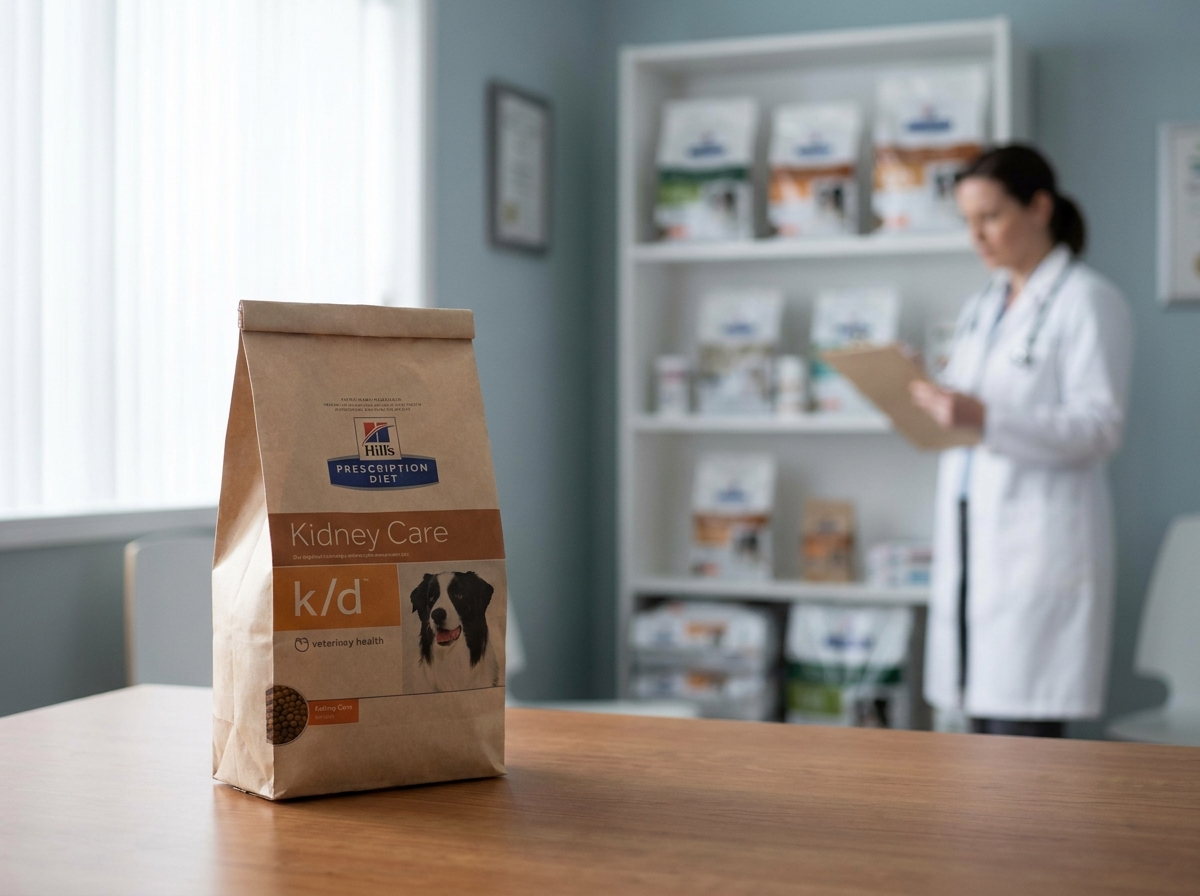
Three diets that meet the targets: Hill's k/d, Royal Canin Renal, Purina NF. Cat and dog versions are not interchangeable. If the pet refuses all three, the next-best step is a phosphorus binder added to the regular food.
Phosphate binders, in order of preference:
- Sevelamer (Renagel/Renvela) 400–1,600 mg per meal, titrated to food phosphorus content. Non-calcium-based — preferred over calcium acetate because it does not push calcium load
- Lanthanum carbonate (Fosrenol) — chewable, well-tolerated by cats
- Aluminum hydroxide — effective but risks aluminum toxicity with long-term use. Third-line
Omega-3 slows progression: fish oil 50–75 mg/kg EPA+DHA daily, divided with meals. Use a veterinary product (Welactin, Nordic Naturals Pet) to control for heavy metals and excess Vitamin D.
Proteinuria and hypertension: the medications that change the curve
UPC > 0.5 in a dog or cat with CKD is the trigger. Two drug classes do the work.
ACE inhibitors (first-line in dogs):
- Enalapril 0.5 mg/kg PO q12–24h for dogs, titrate to UPC and BP
- Benazepril 0.5 mg/kg PO q24h — preferred in cats because renal accumulation is less aggressive than enalapril
Monitor creatinine in 1–2 weeks, then monthly for 3 months. A creatinine rise of > 30% from baseline means stop, recheck, and rule out dehydration first.
Telmisartan (Semintra) — first-line in cats:
- 1 mg/kg PO q24h for proteinuria and hypertension in cats (FDA-approved, 2018 onward)
- Dogs: 1–2 mg/kg PO q24h off-label; reasonable when ACEi is not tolerated
Telmisartan has largely replaced benazepril in cats because the head-to-head trial showed superior UPC reduction and equivalent or better survival.
Amlodipine for hypertension (systolic ≥ 160):
- Cats: 0.625 mg/cat PO q24h (one-quarter of a 2.5 mg tablet). Start low in lean cats
- Dogs: 0.1–0.5 mg/kg PO q24h
Recheck BP at 2 weeks. If still ≥ 160, add an ACEi or telmisartan — never combine. Pick one RAAS-blocker.
Potassium watch: ACEi and telmisartan can push serum K up. Potassium > 6.0 mEq/L in a Stage 3–4 cat on RAAS-blockade is a stop-the-drug conversation.
Nausea, anemia, and home subcutaneous fluids
By Stage 3, most CKD patients need intervention in all three areas.
Nausea and inappetence:
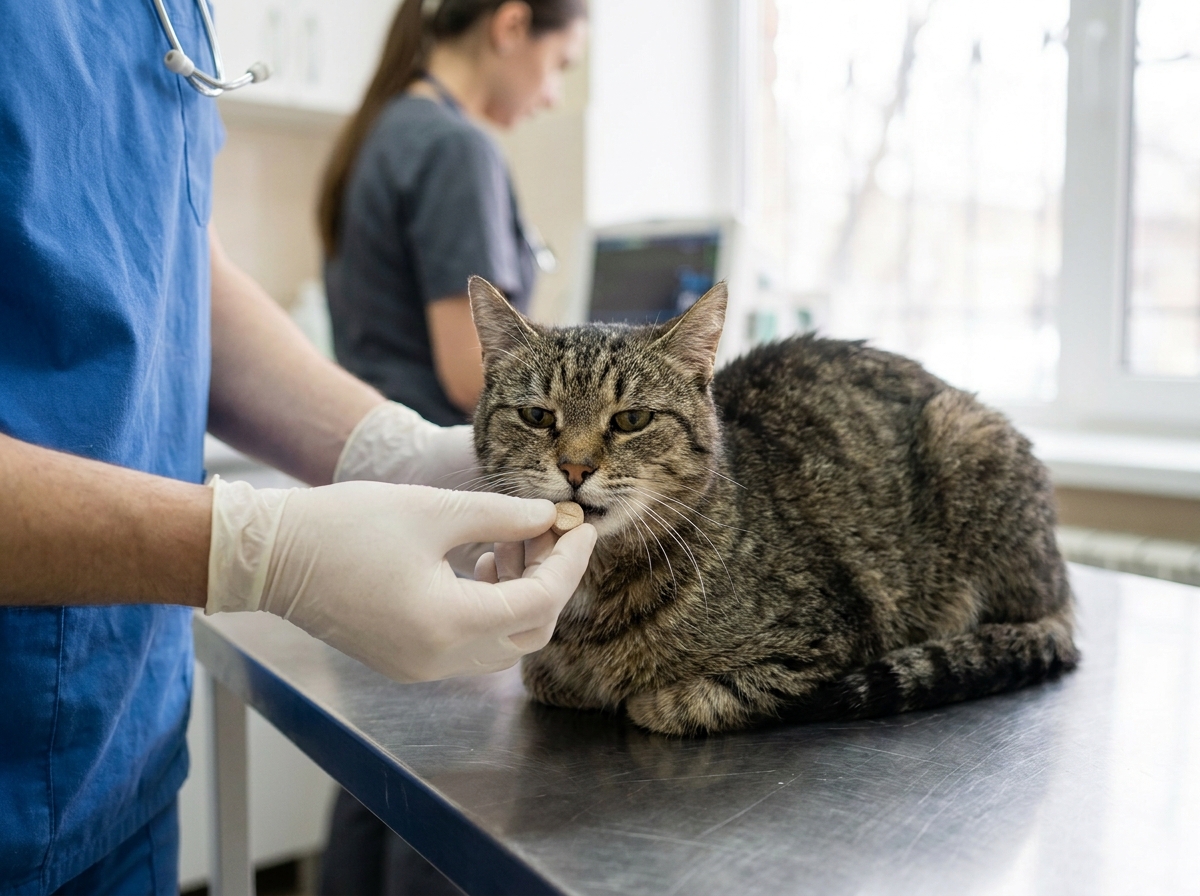
- Maropitant (Cerenia) 1 mg/kg PO q24h (dogs) or 2 mg/kg SC q24h for acute flare
- Ondansetron 0.5–1 mg/kg PO q8–12h for refractory nausea
- Mirtazapine 2 mg/cat PO q48h, or transdermal (Mirataz) 2 mg/cat to the inner ear q48h — appetite stimulant with anti-nausea effect
- Capromorelin (Entyce) 3 mg/kg PO q24h in dogs — newer ghrelin agonist for mirtazapine-resistant cases
Anemia (HCT < 25% with clinical signs):
- Darbepoetin 0.5–1 µg/kg SC once weekly in dogs, 1 µg/kg SC once weekly in cats. Taper to every 2–3 weeks once HCT is 30–35%
- Iron supplementation is required — most CKD patients are iron-deficient. Injectable iron (iron sucrose, ferric carboxymaltose) works faster than oral
- Stop if HCT exceeds 40% or hypertension worsens
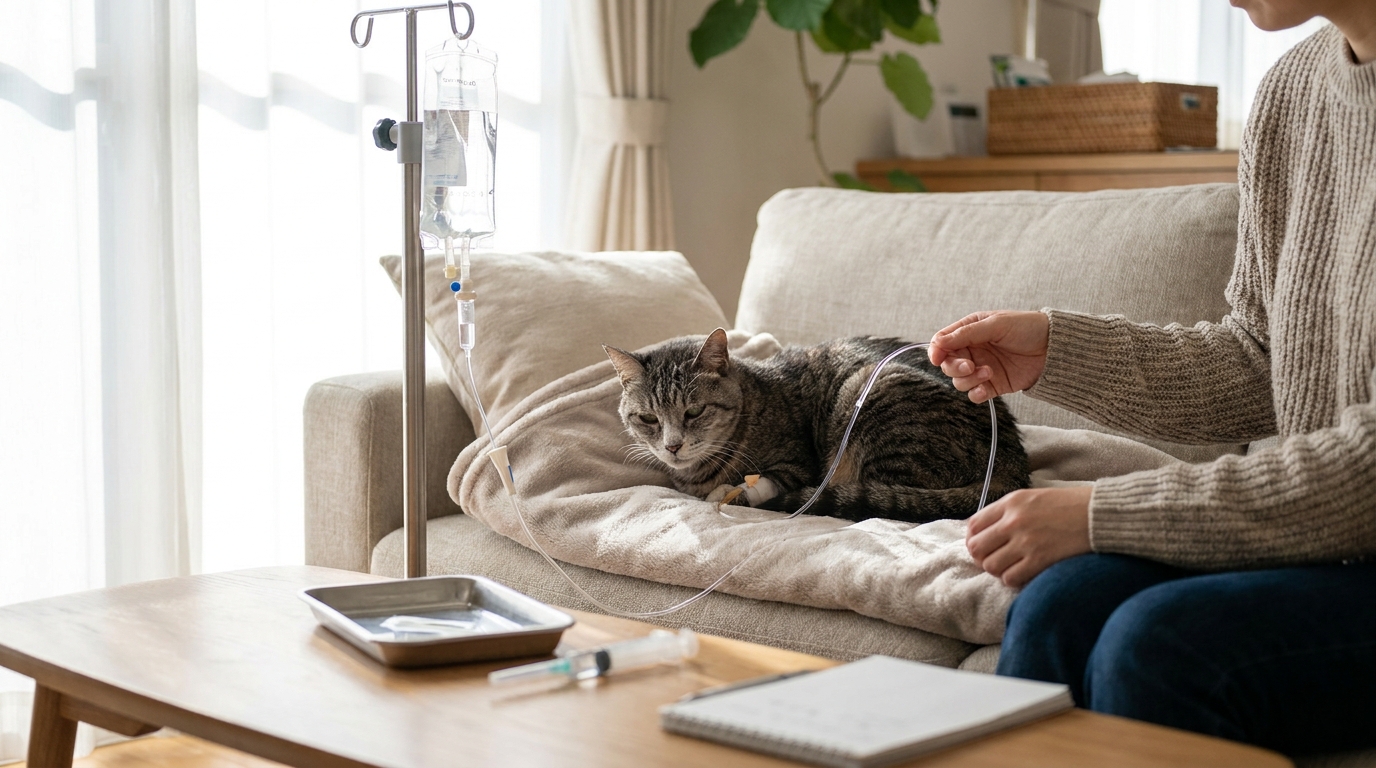
Subcutaneous fluids at home — the protocol:
- Lactated Ringer's Solution (not 0.9% saline — sodium load is too high for cats)
- Cats: 100–200 mL per day, divided BID, under the loose skin between the shoulder blades
- Dogs: 250–750 mL per day, divided BID (5 mL/kg/day is a starting point)
- Use a fresh bag every 7 days, refrigerate, discard if cloudy. Use a 21-gauge butterfly
Teach the technique in-clinic. The first three days are the hardest.
When to escalate: thresholds the front desk should pin up
The lines below are when home is not enough.
Recheck within 2 weeks if:
- Creatinine rise of 0.3 mg/dL from baseline
- UPC moves from < 0.5 to 0.5–1.0
- Systolic BP 145–159
- Phosphorus 0.5 mg/dL above the stage target
- HCT drops 3–4% from the previous visit
- New water intake > 100 mL/kg/day in a dog, > 80 mL/kg/day in a cat
Same-week veterinary visit if:
- Creatinine ≥ 3.0 in a dog or ≥ 4.0 in a cat that is still eating
- UPC > 2.0
- New systolic BP 160–179
- Potassium 5.5–6.0 mEq/L on a RAAS-blocker
- HCT < 25% with lethargy
- Phosphorus 1.0 mg/dL above stage target despite a renal diet and binder
Same-day ER visit if:
- Creatinine ≥ 5.0 in a dog, ≥ 7.0 in a cat, with vomiting or anorexia
- Potassium ≥ 6.5 mEq/L or any arrhythmia
- Seizures, severe ataxia, or stupor — suspect uremic encephalopathy or severe hypertension
- Systolic BP ≥ 200
- Uremic breath, oral ulceration, or active GI bleeding
- Anorexia > 48 hours in a Stage 3–4 patient — escalation to a feeding tube (PEG tube in cats, esophagostomy tube in dogs) is the right move
- Body weight loss > 10% in 30 days, even with stable labs
Refer to an internist if:
- Stage 3–4 cat or dog < 8 years old — rule out renal dysplasia, amyloidosis, glomerulonephritis
- Persistent proteinuria > 2.0 after 4 weeks of optimized RAAS blockade
- Hypertension refractory to amlodipine + RAAS-blocker
- Bilateral renomegaly, unilateral hydronephrosis, or any ultrasound finding that does not fit simple chronic disease
Common owner pushback, and the actual answer:
- "She's old — should we just let her go?" — Stage 2 median survival is 2–3 years in cats. Stage 3, 1–2 years. Stage 4, weeks to months.
- "He hates the renal food." — Try all three brands. Warm the food. Add low-phosphorus tuna water. If still refused, start a binder and stay on the regular food.
- "The fluids stress her out." — Most cats adapt in 5–7 days. Pre-warm the bag, give a small meal during the run, keep the volume at 100 mL/day.
- "Can we skip the blood pressure test?" — No. Hypertension causes sudden blindness (retinal detachment), stroke-like episodes, and worsening proteinuria.
The bottom line
CKD is staged with fasting creatinine, SDMA, urinalysis with UPC, and blood pressure, then treated with a renal diet, a phosphate binder if needed, a RAAS-blocker for proteinuria, amlodipine for hypertension, omega-3 fatty acids, an appetite stimulant, darbepoetin for anemia, and Lactated Ringer's subcutaneous fluids at home.
The line between "manage at home" and "go to the ER" is sharp: vomiting or anorexia > 48 hours, potassium > 6.5, creatinine > 5.0 in a vomiting dog, systolic BP > 200, or seizures are same-day events. The owner who knows these thresholds catches decompensation at 24 hours instead of 96 — the difference between a recoverable flare and a quality-of-life decision.
---
This protocol reflects the 2023–2025 IRIS consensus statements on CKD staging in dogs and cats, the BENRIC and telmisartan-vs-benazepril feline proteinuria data, and ACVIM hypertension guidelines. Doses are for adult dogs and cats without concurrent hepatic disease; pediatric, pregnant, or dialysis-bound patients require direct internist supervision. This article is informational and does not replace an in-person veterinary exam.