
Water changes: frequency and volume (the 10–30% weekly rule explained)
Most aquarium advice boils down to "do a 10–30% water change weekly". This is correct, but the why matters because it tells you when to deviate. Under-changing causes slow nitrate climb and chronic stress. Over-changing in some setups destabilises the system. The right amount depends on what your tank tells you.
The logic behind the rule
Water changes do three things:
- Remove nitrate — the end product of the nitrogen cycle. Plants and bacteria cannot keep up with the rate at which fish produce nitrate, so water changes are how nitrate leaves the system.
- Replenish minerals — fish and plants consume calcium, magnesium, and trace elements. Fresh water (especially remineralised RO/DI water) restores these.
- Dilute dissolved organics — tannins, phenols, pheromones, and other compounds that accumulate and inhibit fish growth. Dilution is the practical benefit that hobbyists rarely name but consistently observe.
The 10–30% weekly target balances all three without shocking the system. Smaller changes are insufficient for high-bioload tanks. Larger changes risk pH/TDS swings in tanks that are not heavily buffered.
How to choose the right percentage for your tank
The correct percentage depends on your nitrate trend.
Test nitrate once a week for 4 weeks at the same time after the water change. Then look at the trajectory:
| Nitrate pattern | Adjustment |
|---|---|
| Stable at 5–20 mg/L between changes | 10–20% weekly is sufficient |
| Climbing to 30–50 mg/L between changes | Increase to 25–30% weekly, or add a second weekly change |
| Climbing above 50 mg/L | Larger change (30–40%) and address stocking/feeding |
| Climbing above 80 mg/L despite weekly changes | Tank is overstocked or under-filtered — fundamental change needed |
The mistake I see most often: someone with a 200-litre tank with 30 goldfish doing 10% weekly and wondering why their fish keep getting sick. The nitrate climbs to 60+ between changes despite the change. The fix is not "do it more often" — the fix is either reduce stocking, increase filtration capacity, or do 30% twice weekly.

The mechanics that matter
Three technical details that affect whether your water change is doing what you think:
Match the temperature
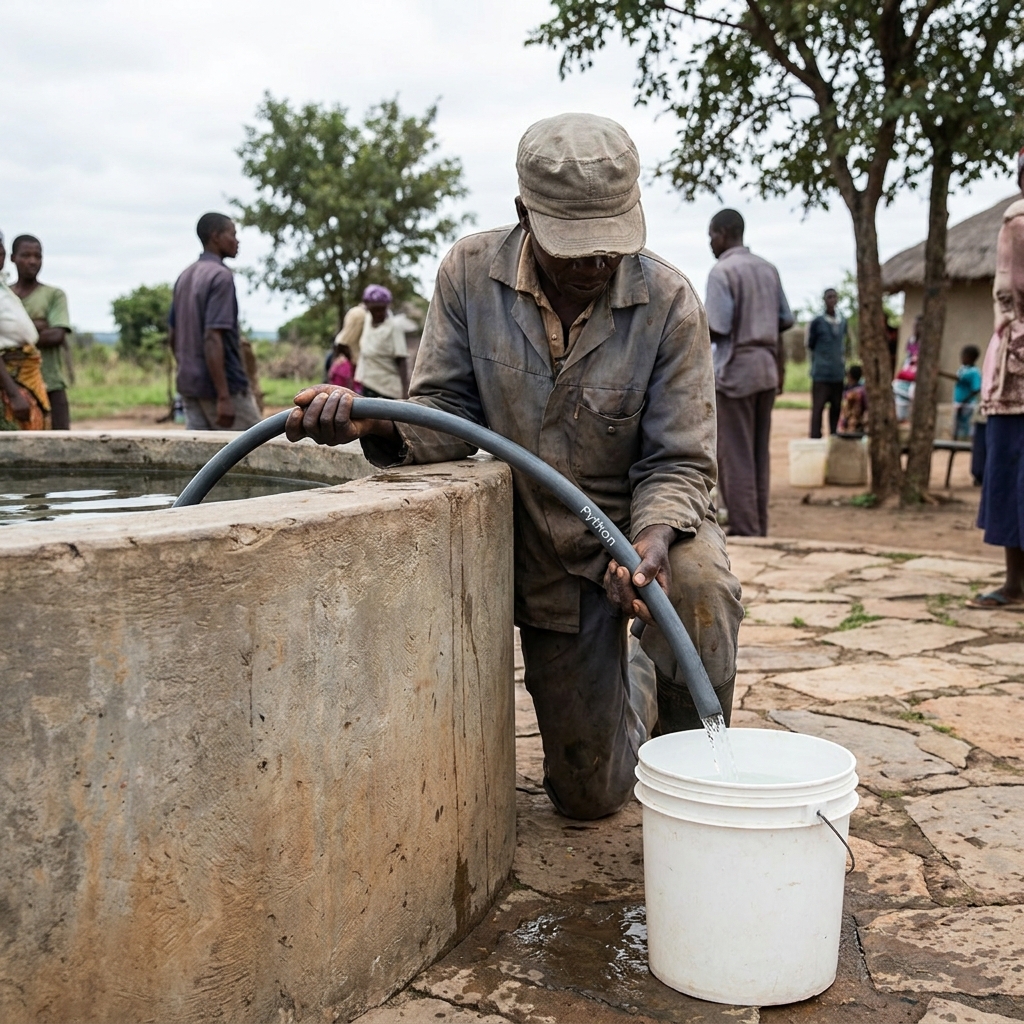
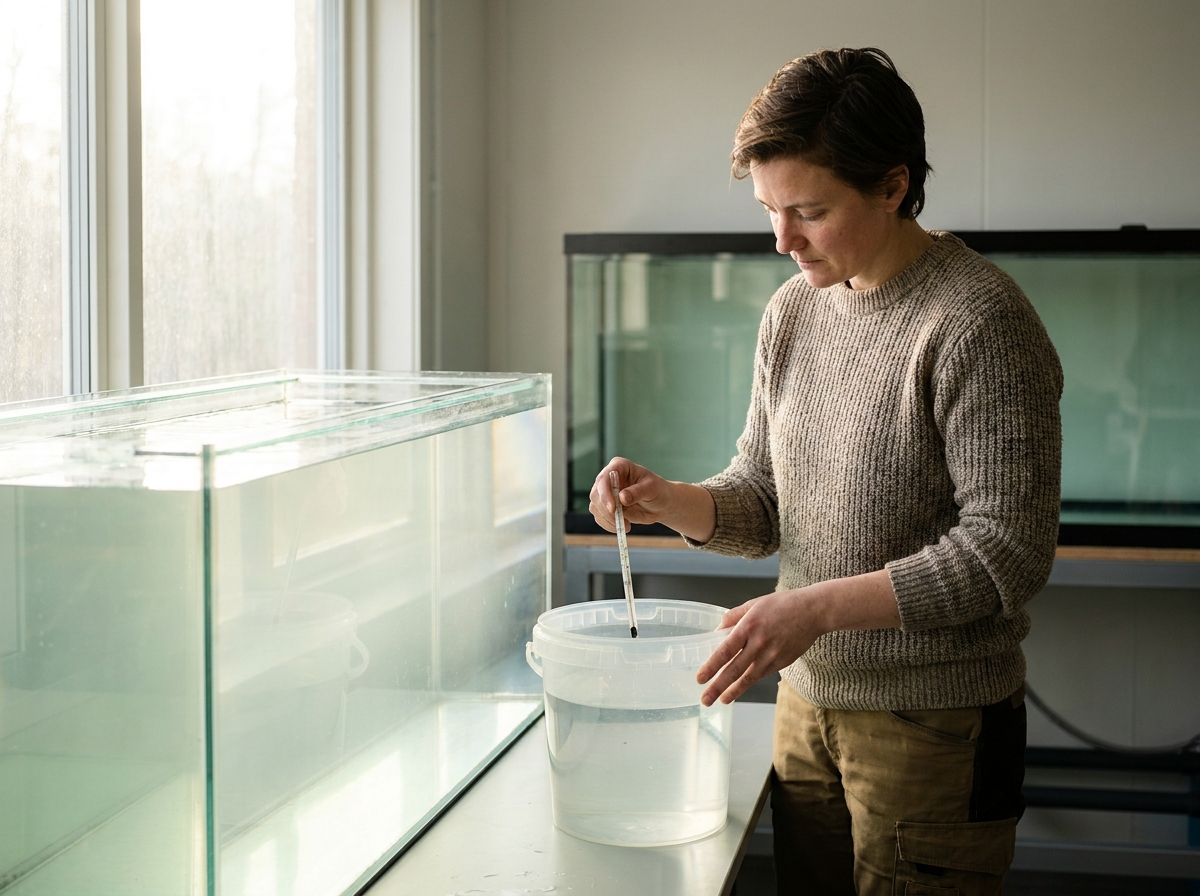
The replacement water should be within 1–2°C of the tank water. A 5°C difference is enough to stress fish, particularly discus, goldfish, and most tropicals. A Python or similar hose that connects to a faucet lets you fill directly from the tap with temperature pre-set, but I still recommend using a thermometer to verify.
Match the chemistry
The replacement water must be dechlorinated. Standard tap water chlorination kills the bio-filter over time. Seachem Prime, API Tap Water Conditioner, or similar products remove chlorine and chloramine within 5 minutes.
For tanks with sensitive fish (wild-caught, discus, dwarf shrimp), also match:
- pH (within 0.2 units)
- GH (general hardness)
- KH (carbonate hardness)
Tanks using RO/DI water with remineralisation (Salty Shrimp, Tropic Marin) need the same TDS target as the tank water. Test both the tank and the replacement water before adding fish to a fresh change.
Don't clean the filter at the same time
A 25% water change removes 25% of the tank's free-floating bacteria. A filter rinse in tap water removes the vast majority of the filter's attached bacteria. Doing both on the same day crashes the bio-filter. Separate these chores by at least 2 weeks.
When you do rinse the filter media, do it in the old tank water you just removed, never under the tap. The chlorine kills the bacteria you are trying to preserve.

The routine that works
For a typical freshwater community tank (200 L, lightly stocked):
| Day | Action |
|---|---|
| Sunday | 20–25% water change + glass cleaning + test nitrate |
| Wednesday | Quick visual check, top off evaporated water with dechlorinated tap |
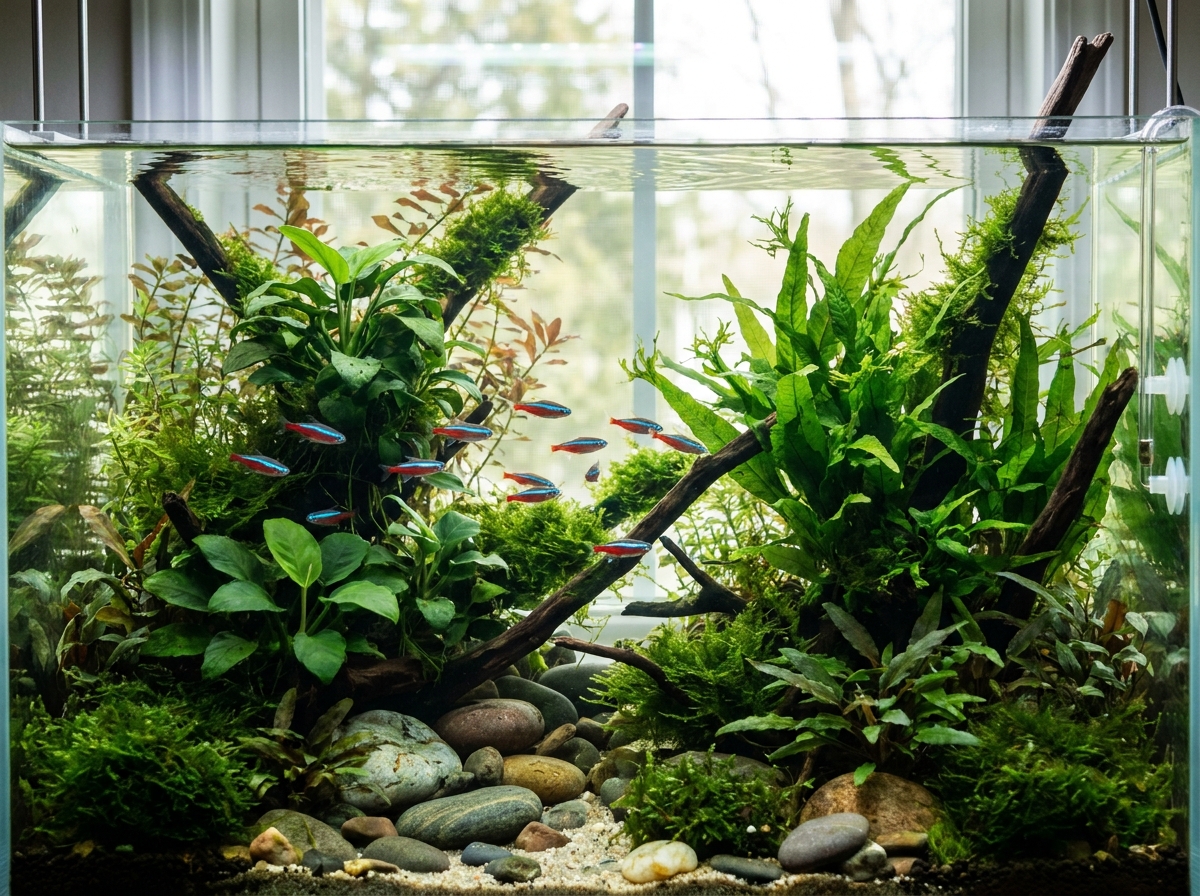
For a planted tank (200 L, CO2 injected, medium light):
| Day | Action |
|---|---|
| Sunday | 25–30% water change + trim plants + test nitrate + test KH |
| Wednesday | Mid-week 10% water change if nitrate climbs above 40 |
| Saturday | Filter media rinse in old tank water |
For a koi pond (5,000 L, 8 koi):
| Action | Frequency |
|---|---|
| 10% water change | Weekly during summer, biweekly in spring/autumn |
| Bottom drain | Monthly during summer |
| Full filter backwash | Monthly |
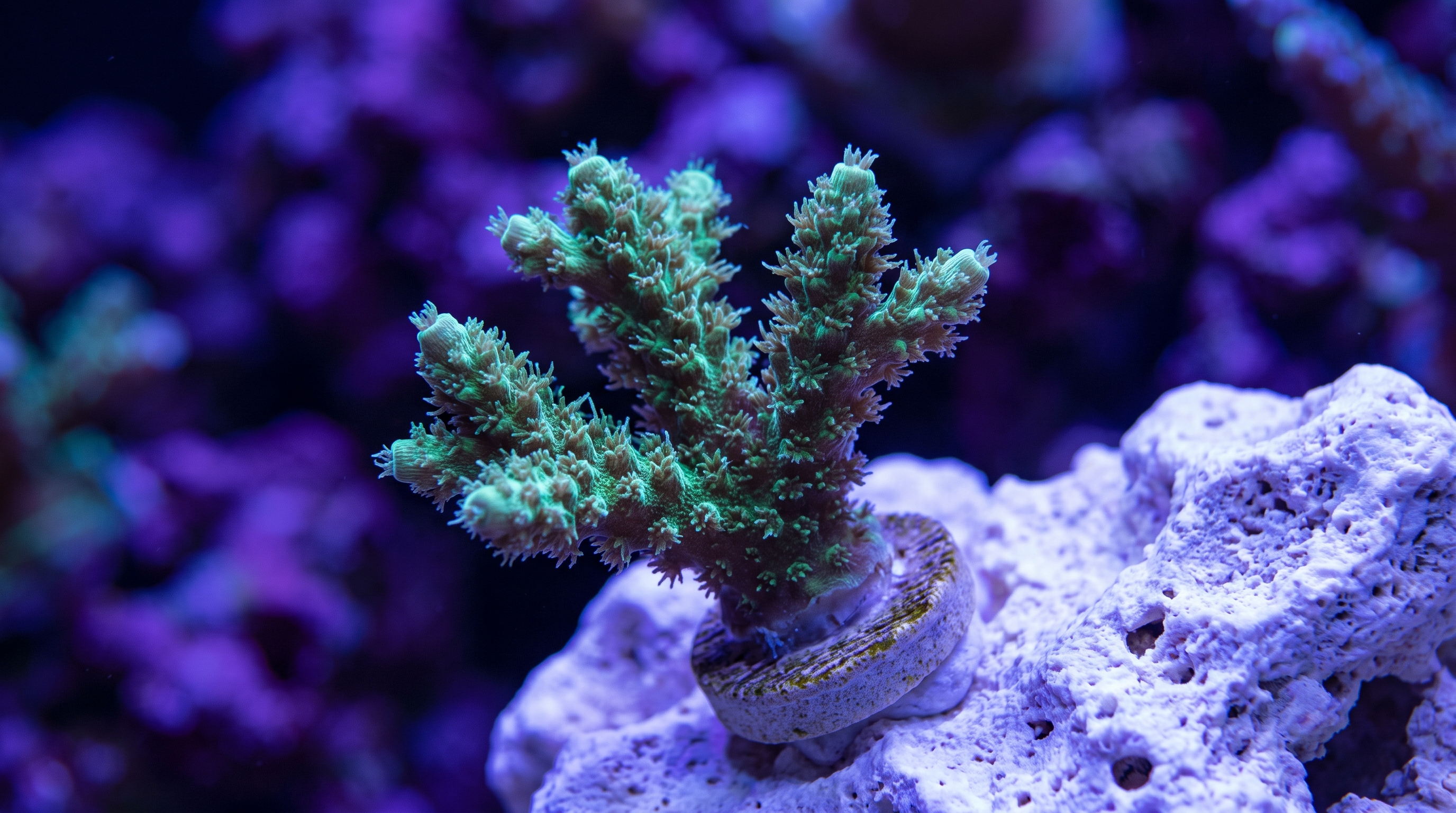
For a saltwater reef (300 L):
| Action | Frequency |
|---|---|
| 10% water change | Twice weekly (Sunday and Wednesday) |
| Glass cleaning | Weekly |
| Filter sock swap | Daily |
| Skimmer cup empty | Every 2–3 days |
What changes when you have live plants
Heavily planted tanks (especially fast-growers like Hygrophila, Rotala, Vallisneria) consume nitrate directly. A planted tank with adequate lighting and CO2 can run 50–100% of its nitrogen consumption through plants, meaning weekly water changes are less about nitrate and more about mineral replenishment.
Practical implications:
- A planted tank with stable nitrate at 5–10 mg/L does not need bigger water changes
- Trace minerals (iron, potassium) are consumed faster than nitrate — supplement as needed
- A planted tank with rapidly climbing nitrate usually has insufficient plant mass or insufficient light, not insufficient water changes
Common mistakes
- Siphoning the substrate every change — beneficial bacteria live in the substrate. Siphoning gravel deeply every week depletes the bio-filter. Siphon only visibly dirty areas, not the entire substrate.
- Using hot tap water — hot tap water often runs through a different pipe (with different mineral content) and may leach metals from the water heater. Always use cold or cool tap water and temper with hot tap only after mixing.
- Adding dechlorinator to the tank, not the bucket — dechlorinator works instantly, so you can add it to the replacement water before pouring it in. This also ensures proper dosing.
- Skipping water changes during "stable" periods — nitrate accumulates silently. The tank that "looks fine" with no water change for 4 weeks is heading toward an algae bloom and a nitrate crash.
When to break the 10–30% rule
Sometimes a larger change is necessary:
- Nitrate > 100 mg/L from chronic under-changing → 40–50% change, retest after, repeat if needed
- After a fish death from unknown cause → 30% change, gravel vacuum, retest parameters
- After accidental overfeeding or medication → 30–50% change
The risk of large water changes is parameter shock. For sensitive species (wild discus, wild-caught plecos, dwarf shrimp) keep changes at 10–15% even in emergencies.
The bottom line
The 10–30% weekly water change is correct as a default, but the actual right number depends on your tank's nitrate trend and bioload. Test nitrate weekly for a month and let the data tell you. Match temperature and chemistry. Never combine filter rinse with water change. Adjust the schedule if nitrate climbs above 30 mg/L between changes — that is your tank telling you the default is not enough.
---
About the author: [Kenji Tanaka](../Kenji%20Tanaka.md) is a ZNA-certified koi judge with 25 years of freshwater ornamental fish research, and has served on the judging panel of the All Japan Nishikigoi Show on multiple occasions.