
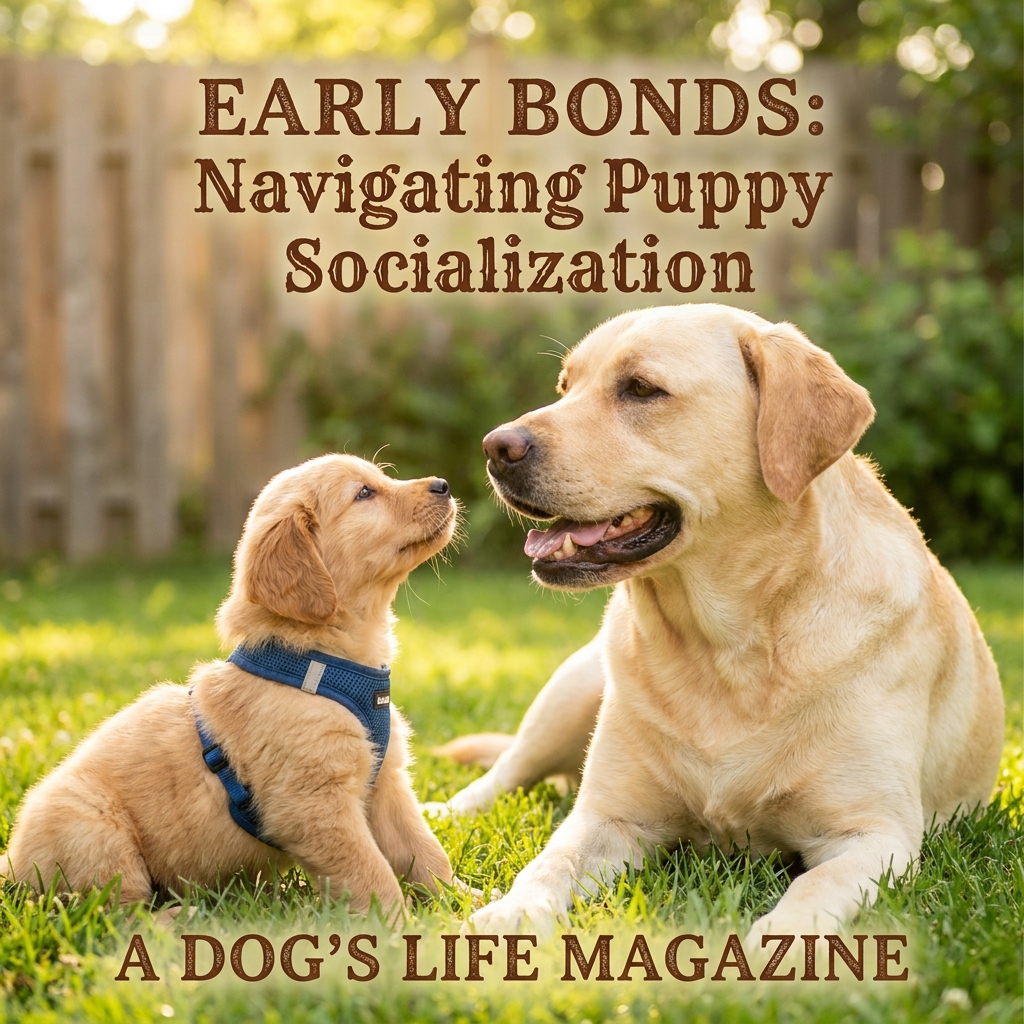
Puppy socialization: how to use the critical 16-week window without overdoing it
The 16-week window is the single most important developmental period in a dog's life. Puppies between 3 and 16 weeks of age have a rapidly closing window during which novel stimuli are processed and categorized as "normal" rather than as "threatening." A puppy that is exposed to a wide variety of people, surfaces, sounds, animals, and environments during this window becomes an adult dog that is confident, resilient, and adaptable. A puppy that is protected from these exposures during this window becomes an adult dog that is fearful, reactive, and difficult to live with. The behavioral fallout from under-socialization is one of the most common reasons dogs are surrendered to shelters, and the worst part is that the under-socialization was preventable. In this article I will walk through what socialization actually is, the small list of high-value exposures that matter most, the protocol for delivering them safely, and the common mistake of confusing socialization with exposure.
What socialization actually is
Socialization is not "introducing the puppy to as many things as possible." Socialization is the process by which a puppy learns to classify novel stimuli as normal and non-threatening, and to recover quickly from a startle. The mechanism is neurological: the puppy's brain is forming the synaptic connections that will determine how the adult dog categorizes the world. A novel stimulus encountered during the window is processed under low stress, with the puppy's stress hormones at baseline, and the stimulus is filed under "normal." The same novel stimulus encountered after the window closes is processed under higher stress, and is more likely to be filed under "threatening."
The 16-week window is not a hard cutoff. The window opens at about 3 weeks (when the puppy starts moving around and engaging with the environment) and closes gradually between 12 and 16 weeks. Different stimuli have slightly different windows: bite inhibition has a window that closes earliest (around 7-9 weeks), social play with other dogs has a window that closes around 12-14 weeks, novel human handling has a window that closes around 14-16 weeks. The owner who starts socialization at 8 weeks has 4-8 weeks of high-quality window left. The owner who starts at 12 weeks has 0-4 weeks left, and the priority list changes.
The priority list when time is short
The owner who brings home a 12-week-old puppy and has only 4 weeks of high-quality window left should not waste time on low-value exposures. The high-value exposures, in order:
- The puppy's primary vet, in person, for a happy visit. A puppy that learns to associate the vet clinic with treats and handling is a dog that walks into the clinic willingly for the rest of its life. The opposite is a dog that has to be dragged in. The happy visit is a 10-minute appointment with no exam, just treats and a tech petting the puppy.
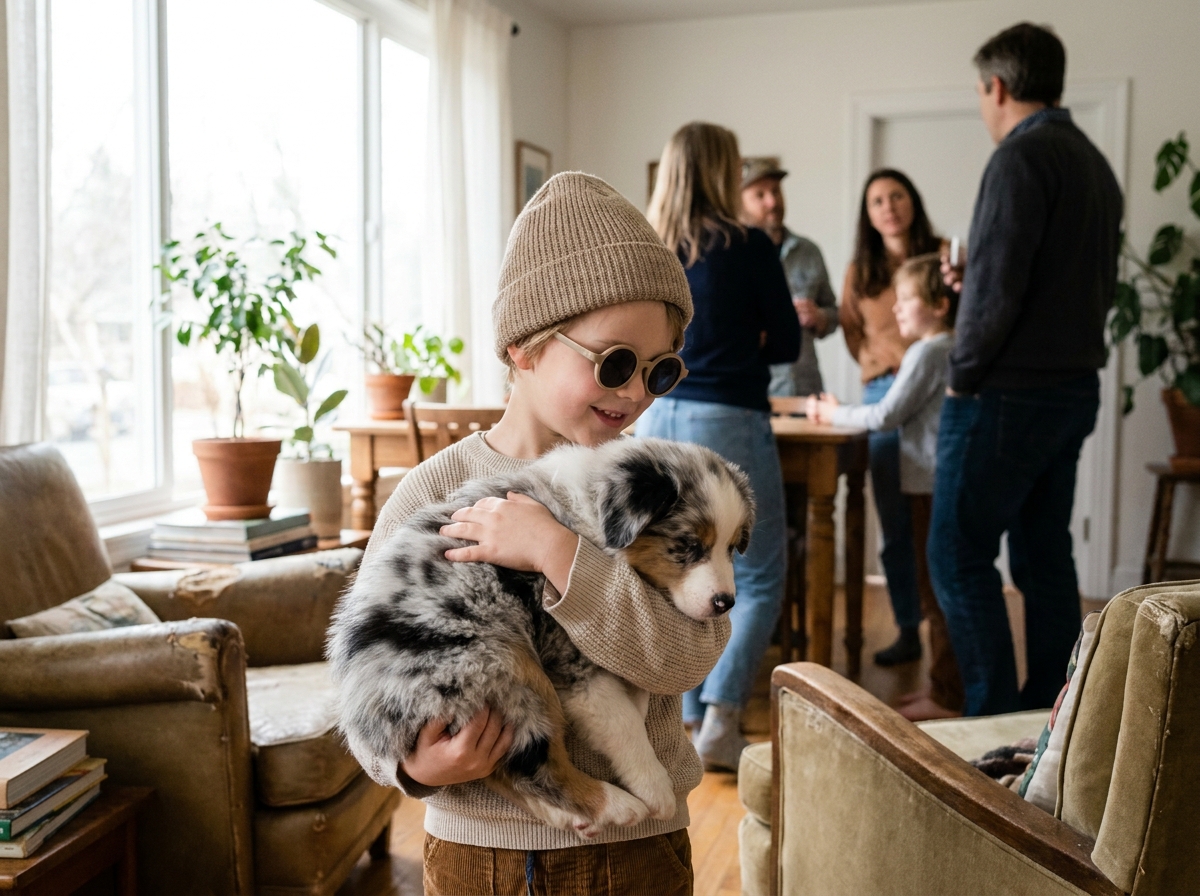
- A wide variety of people, in a controlled setting. The goal is not "meet 100 people" — the goal is "meet people of different sizes, ages, ethnicities, clothing, and accessories." A puppy that meets 5 people in 5 different configurations has a better socialization outcome than a puppy that meets 100 people who all look the same. The configuration matters more than the count.
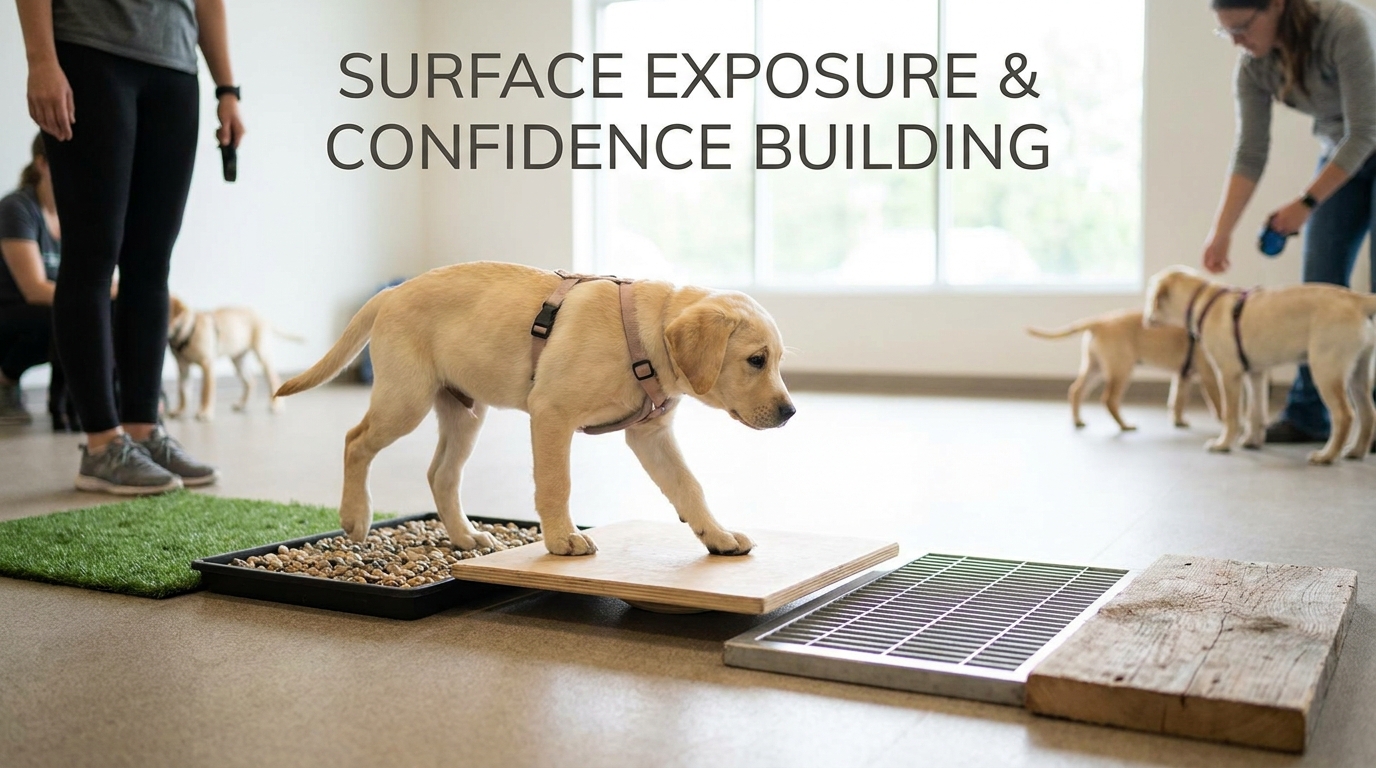
- Surfaces. Tile, wood, carpet, grass, gravel, metal grates, wet surfaces, plastic, wobble boards. A puppy that walks confidently on a wide variety of surfaces is a dog that does not develop surface phobias. The exposure is fast — 2-3 steps on each surface is enough.
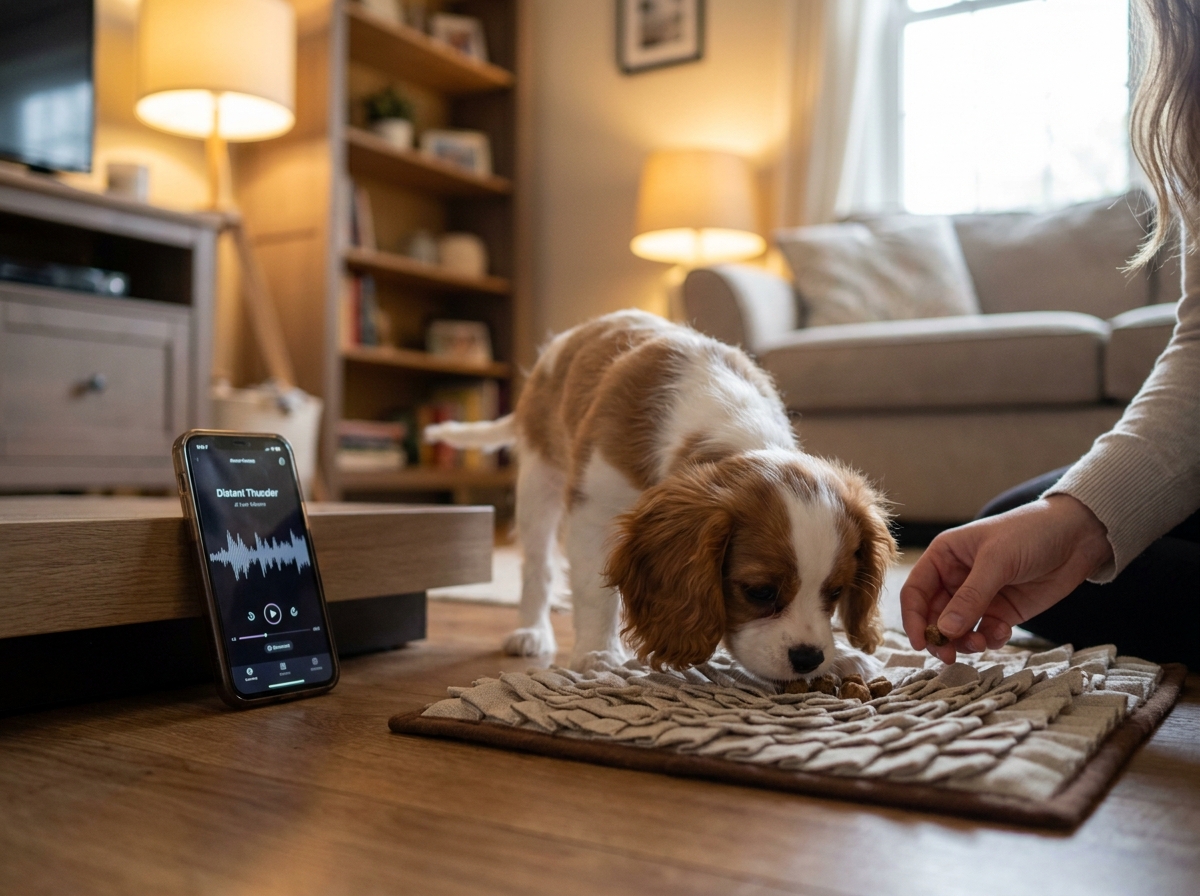
- Sounds. Thunder, fireworks, vacuum cleaner, blender, hair dryer, sirens, doorbell, babies crying, construction. The sounds should be introduced at low volume first, with treats, and gradually increased in volume. A puppy that is exposed to a thunder recording at low volume with treats is a dog that is less likely to develop thunderstorm phobia.
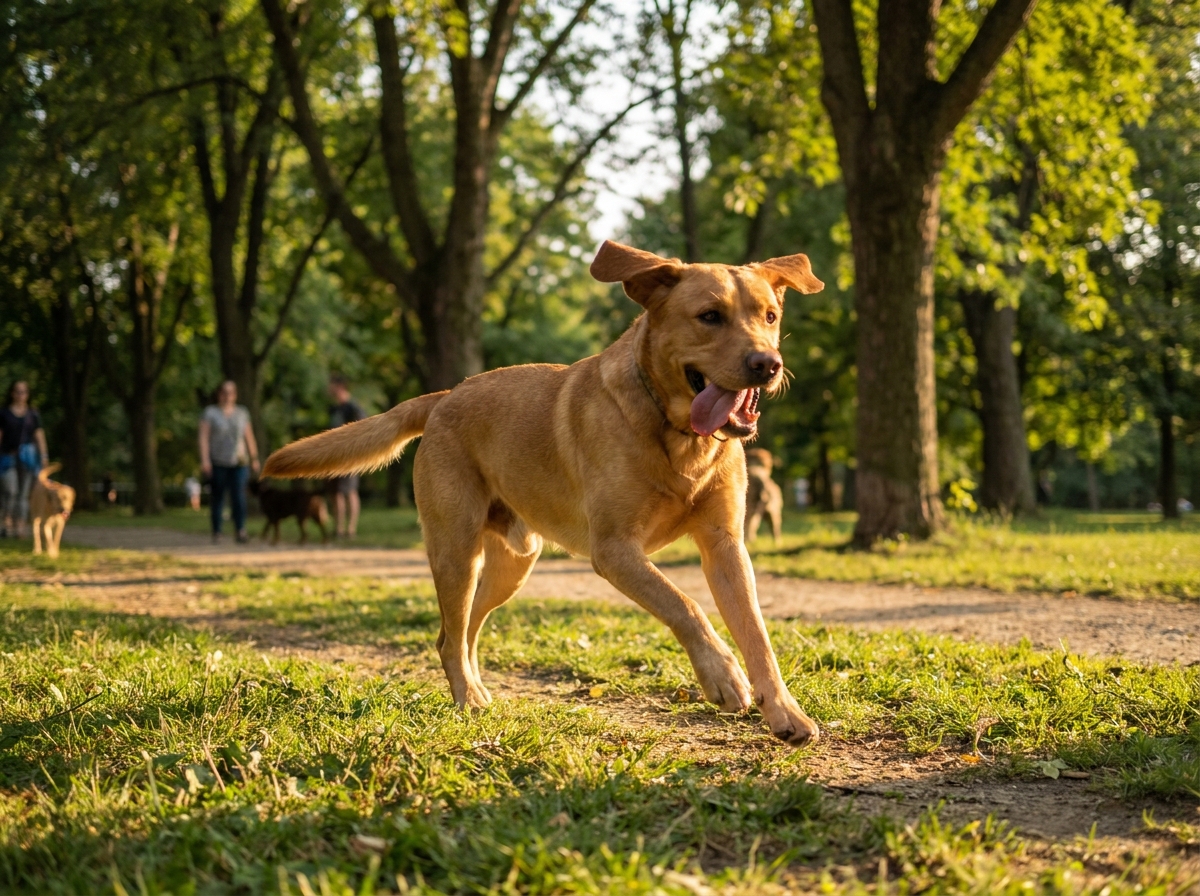
- Other vaccinated, well-behaved dogs. Not dog parks, not the street, not uncontrolled play. Specific, calm, vaccinated adult dogs that the puppy can play with and learn from. The puppy learns bite inhibition, body language, play signaling, and recovery from startle.
The low-value exposures that are not worth the time: pet stores, dog parks, busy streets, and any setting where the puppy is overwhelmed. The puppy that has 30 brief, controlled exposures in 4 weeks is better socialized than the puppy that has 300 uncontrolled exposures in the same period.
The protocol for safe socialization before vaccination is complete
The traditional advice was to keep the puppy at home until the vaccination series was complete at 16 weeks. The modern advice, supported by the American Veterinary Society of Animal Behavior and most contemporary veterinary behaviorists, is that the risk of behavioral problems from under-socialization is higher than the risk of infectious disease from controlled socialization. The puppy that stays home until 16 weeks is a puppy that has missed the entire socialization window.
The controlled socialization protocol: avoid dog parks, pet stores, and any setting with unknown dogs. Do allow the puppy to walk on clean sidewalks, in your arms in public spaces, in your friend's yard (if the friend has no unvaccinated dogs), in puppy class (which requires vaccination), and in your own home with controlled visitors. Carry the puppy in your arms in public spaces to avoid ground contamination. Use a stroller or a carrier for longer outings. The puppy is exposed to the sights, sounds, and smells of the world without touching the ground in high-risk areas. The socialization happens, the infectious exposure is minimized.
The puppy class is the single most efficient socialization tool. A well-run puppy class has 6-10 puppies of similar age, all vaccinated appropriately, all working with a positive-reinforcement trainer. The class provides controlled dog-dog socialization, exposure to different people (the trainer, the assistants, the other owners), exposure to different surfaces (the class room floor, the equipment, the different surfaces the trainer brings in), and a curriculum of basic skills. The puppy that attends 6-8 weekly classes during the window is a puppy that has had more high-quality socialization than the puppy that has not.
The two common mistakes
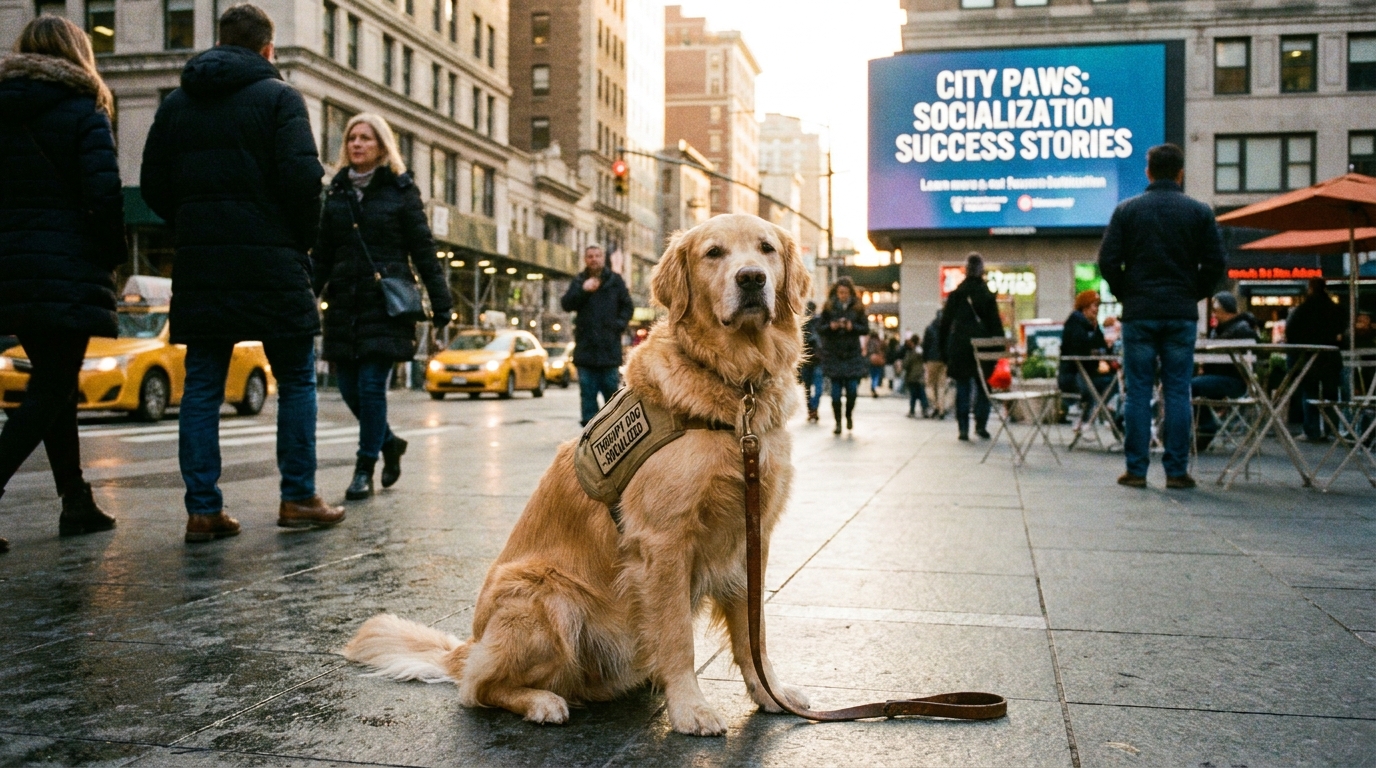
The first is over-socialization. The owner who takes the puppy to the farmer's market, the dog park, the pet store, the bus stop, the school yard, and the outdoor cafe in a single day is a puppy that is overwhelmed. The puppy that is overwhelmed is a puppy that is not learning. The puppy that is in a chronic stress state is a puppy whose brain is processing the environment as a threat, not as a learning opportunity. The owner who does 1-2 high-quality exposures per day, with rest days, is a puppy that is learning at maximum rate. The owner who does 10 exposures per day is a puppy that is shutting down.
The second is missing the window. The owner who waits until the puppy is "fully vaccinated" at 16 weeks to start socialization has missed the window. The owner who decides to "let the puppy be a puppy" and keeps the puppy in the yard until 6 months has missed the window. The owner who socializes the puppy by introducing it to the family's existing dog only has missed most of the window. The window does not reopen. The exposures that should have happened between 8 and 16 weeks cannot be retrofitted by 100 hours of training at 6 months.
The one-page protocol for the 16-week window
Day 1-7 (puppy at home, settling in): set up the home environment, begin handling exercises (paws, ears, mouth, tail) for 30 seconds 2-3 times per day. Day 7-21: first vet visit, first puppy class, first controlled visitor. Day 21-56 (3-8 weeks of age): 1-2 controlled exposures per day, 6-8 puppy classes, surface and sound introduction. Day 56-112 (8-16 weeks): continue exposures, introduce novel environments, increase complexity of exposures, begin basic obedience in a distracting environment. The protocol is not a checklist; it is a habit. The owner who builds the habit of "one new thing every day" produces the socialized adult dog that every owner wants.
What socialization does not do
Socialization does not guarantee a confident dog. Genetics play a major role in temperament, and a genetically anxious puppy that has been perfectly socialized is still a more anxious dog than a genetically confident puppy that has been poorly socialized. Socialization does not eliminate fear; it reduces the probability that the dog will develop fear-based behavioral problems. Socialization does not replace training; a well-socialized dog that has not been taught basic obedience is still a difficult dog to live with. Socialization is one of three legs of a stable adult dog: genetics, socialization, and training. The puppy that has all three is the dog that is a joy to live with. The puppy that is missing any of the three is the dog that ends up in a shelter.
The honest summary
The 16-week window is real, it is short, and the exposures that happen during it are the foundation of the dog's lifelong behavior. The owner who uses the window with 1-2 controlled exposures per day, who prioritizes people, surfaces, sounds, and well-behaved dogs, and who avoids over-socialization, produces a dog that is confident, resilient, and adaptable. The owner who misses the window produces a dog that is fearful, reactive, and difficult. The two outcomes are determined by what the owner does, or does not do, in the 8 weeks between bringing the puppy home and the 16-week cutoff. There is no second chance.