

Canine atopic dermatitis: an environmental control checklist that reduces flare days
Canine atopic dermatitis is a chronic, lifelong condition. The dog that has it was genetically predisposed to develop IgE against environmental allergens — house dust mites, storage mites, pollen from grasses and trees, mold spores, and occasionally flea or human dander. The dog did not get atopic dermatitis from one allergen; the dog has a skin barrier that is genetically less effective at keeping allergens out, and a threshold of allergen exposure above which the immune system starts reacting. The medication treats the reaction. The environmental control reduces the exposure. The two together are what makes the dog comfortable in the long term. In this article I will walk through the room-by-room environmental control checklist I give to every owner of a newly diagnosed atopic dog, with the rationale for each step and the realistic impact each step can have on the dog's symptom days per year.
Why environmental control matters
The dog with atopic dermatitis has a daily allergen load. The load is the sum of everything the dog is exposed to: dust mites in the bedding, pollen tracked in on the feet, mold spores in the basement, dander in the carpet. Below a certain threshold, the dog's immune system tolerates the load. Above the threshold, the immune system reacts — itch, inflammation, skin trauma, secondary infection. The medications (oclacitinib, lokivetmab, cyclosporine, glucocorticoids) raise the threshold. The environmental control lowers the load. The combination produces a much larger gap between the load and the threshold than either one alone.
The other reason environmental control matters is that it is the only intervention that addresses the cause. The medications address the immune system's reaction. The allergen reduction addresses what the immune system is reacting to. A dog that can stay below the itch threshold on a lower medication dose is a dog with fewer long-term medication side effects, fewer secondary infections, and a better quality of life. The owner who treats the atopic dog with medication alone is leaving 30-50% of the available improvement on the table.
The bedroom: the highest-priority room
The dog with atopic dermatitis spends 8-12 hours a day in the bedroom, and the bedroom is the highest-allergen room in the house. The dust mite load in an average bedroom mattress is 100,000-1,000,000 mites per gram of dust. The dog that sleeps on the bed is exposed to a significant fraction of that load every night.
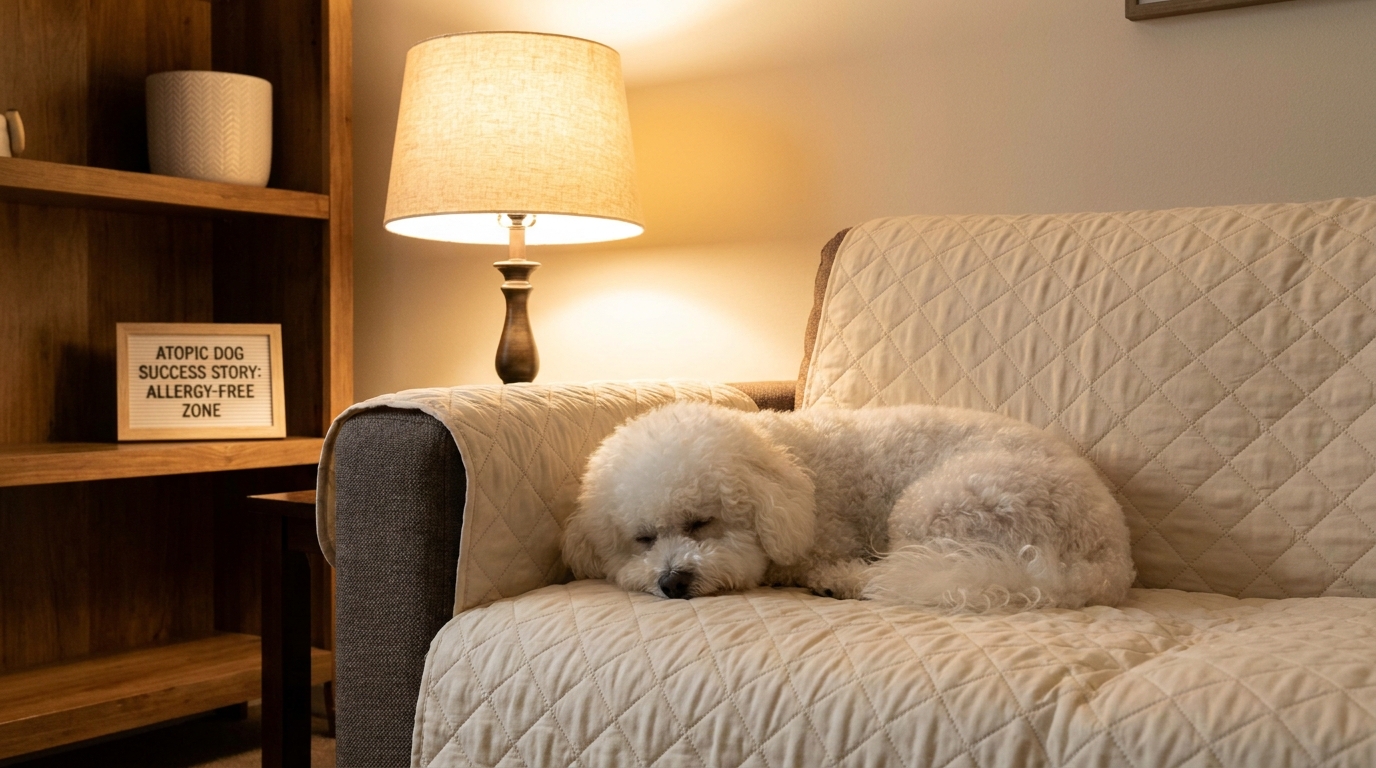
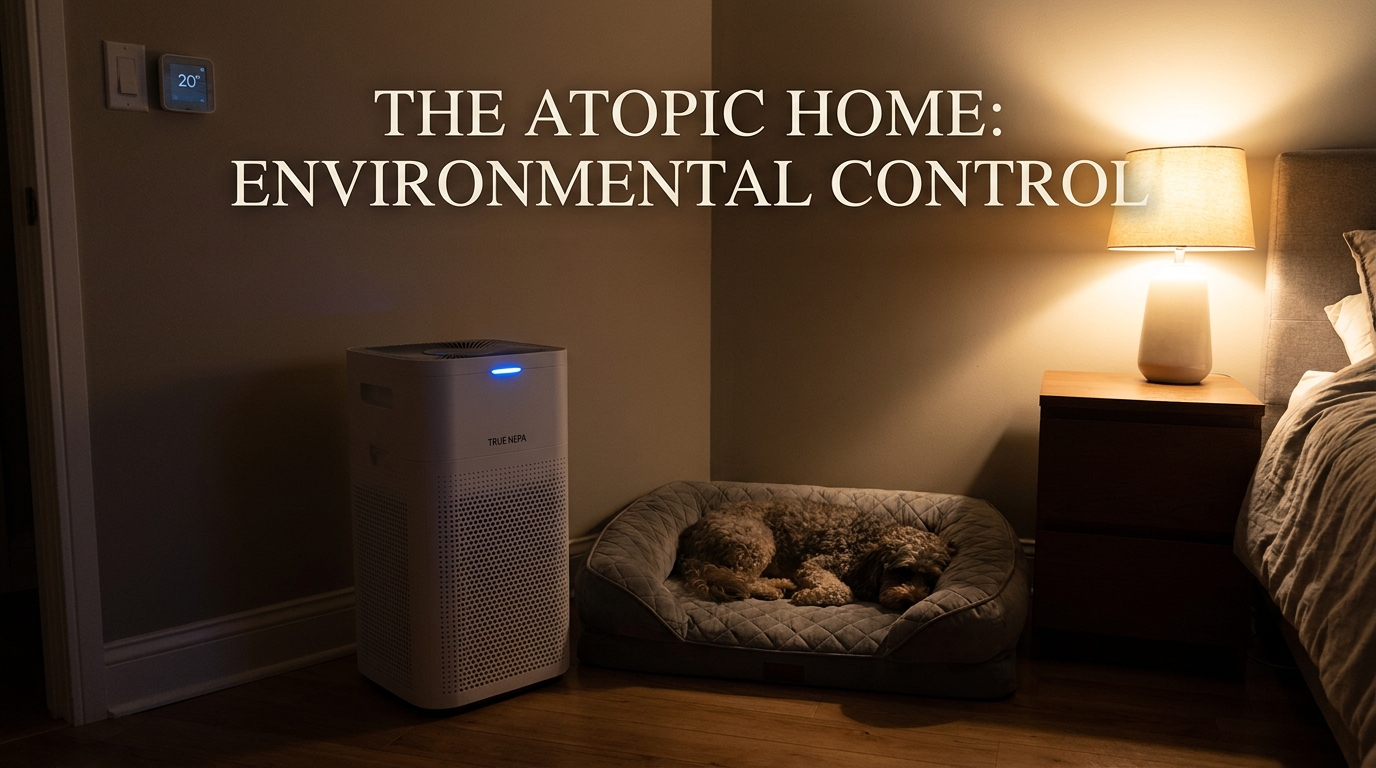
The bedroom checklist: the dog sleeps on a washable, allergen-impermeable cover on its bed — not on the human bed, because the human bed has the highest dust mite load in the house. The dog's bed is washed weekly in hot water (>130°F / 54°C) to kill mites. The dog's bedding is also dried in a hot dryer. Cold water does not kill mites; hot water does. The bedroom floor is hard surface (wood, tile, laminate) rather than carpet; if carpet is unavoidable, a HEPA vacuum is used 2-3 times per week. The bedroom curtains are washable fabric, not heavy drapes. The bedroom is vacuumed (with a HEPA-filter vacuum) and damp-mopped weekly. The bedroom humidity is kept below 50% to prevent mite and mold growth — a dehumidifier in humid climates is often necessary.
The air purifier is the single most impactful purchase. A true HEPA air purifier in the bedroom, running 24/7, removes a significant fraction of airborne allergens. The purifier should be sized for the room (a 200-square-foot bedroom needs a purifier rated for 300+ square feet to handle the actual air volume in a closed room). The filter is replaced per the manufacturer's schedule; an old, clogged HEPA filter is no longer a HEPA filter. The cost is $150-400 for the purifier, $50-100 per year for filters. The benefit is real and measurable.
The living areas: where the dog spends the day
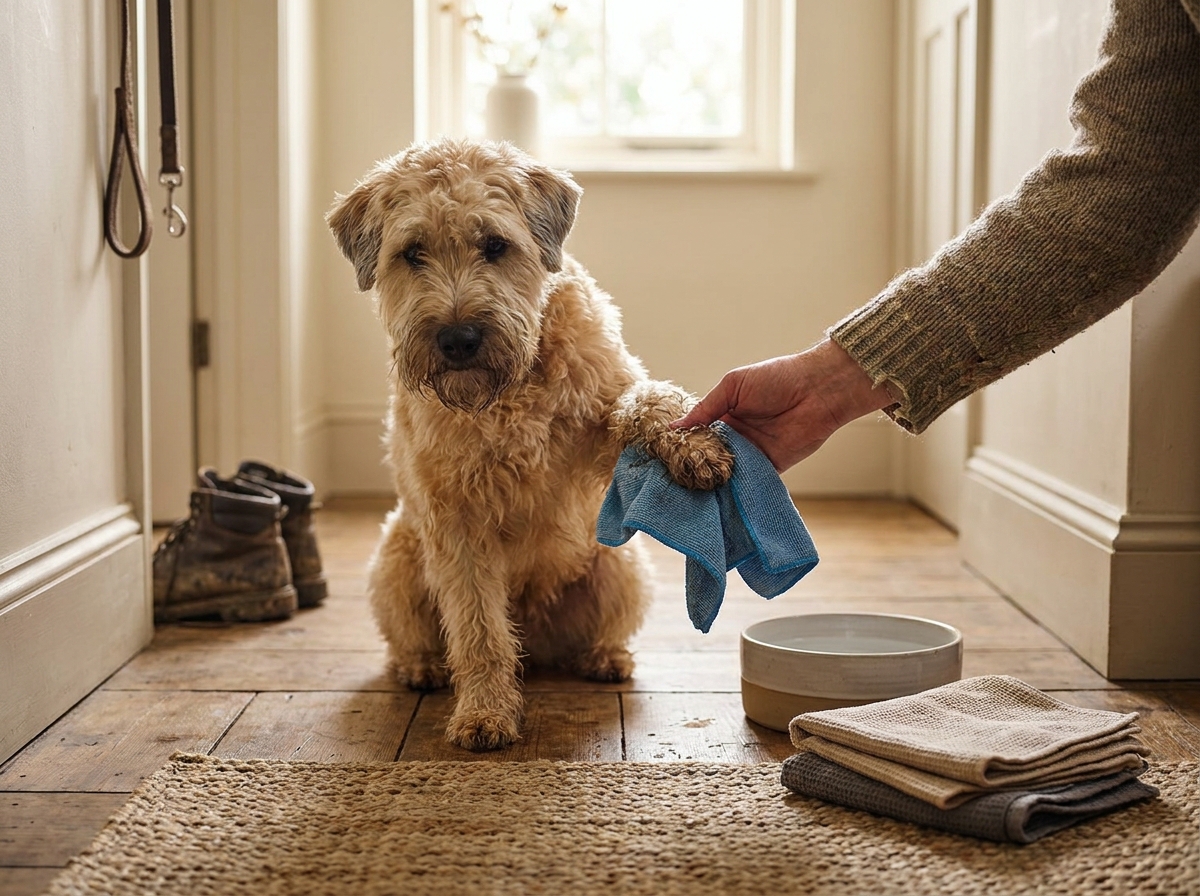
The living areas are where the dog spends 4-8 hours a day, and the allergen load here is driven by the floor, the furniture, and the open windows. The living area checklist: hard-surface flooring is preferred over carpet. If carpet is present, a HEPA vacuum is used 2-3 times per week, with slow passes to allow the vacuum's airflow to pick up the dust mite fecal pellets that are embedded in the carpet pile. A quick pass does not work. The couch and other upholstered furniture are vacuumed weekly, including the cushions and the underside of the cushions. The dog's blankets and throws are washed weekly in hot water. The windows are kept closed during peak pollen seasons (spring and fall in most climates), and the air purifier is running. The dog is wiped down with a damp microfiber cloth or a hypoallergenic wipe after every walk during pollen season, focusing on the feet, the legs, the belly, and the face. The pollen that is on the dog's coat is a major source of skin exposure; removing it before the dog licks it off is a significant allergen reduction.
The HEPA vacuum is worth the investment. A standard vacuum re-suspends a fraction of the fine particles back into the air, where they can be inhaled or settle back on surfaces. A HEPA-filter vacuum captures the fine particles and keeps them in the vacuum. The cost difference is $100-200 over a standard vacuum of similar capacity. For an atopic dog household, the upgrade is worthwhile.
The bathroom: where skin and allergen management overlap
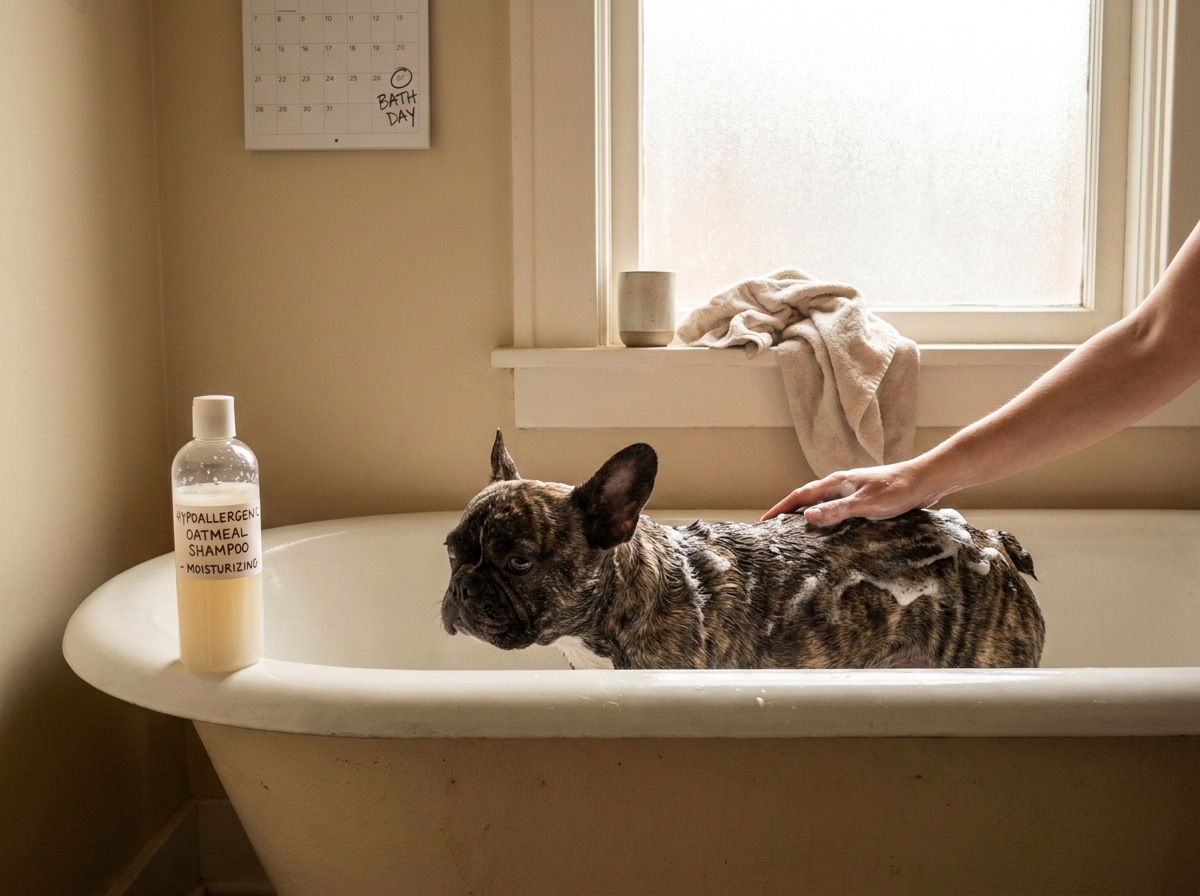
The bathroom is where the dog gets bathed, and bathing is one of the most effective environmental controls. The mechanism: the allergens that are sitting on the dog's skin and coat are physically removed by the water and shampoo. The skin barrier is supported by the moisturizers in a good shampoo. The inflammation is reduced by the cool water temperature. A dog that is bathed weekly with a gentle, moisturizing shampoo has measurably lower allergen load on the skin than a dog that is bathed monthly or not at all.
The bathing protocol: a gentle, soap-free, moisturizing shampoo (oatmeal-based, ceramide-based, or hypoallergenic veterinary formulations). Cool to lukewarm water — hot water increases inflammation. A 10-15 minute soak to allow the shampoo to contact the skin and dissolve the allergens. A thorough rinse — leftover shampoo residue is itself an irritant. A leave-in conditioner or a topical lipid replacer applied after the bath to support the skin barrier. The bath frequency: weekly during flare season, every 2-4 weeks during maintenance. The dog that is bathed too often dries out; the dog that is bathed too rarely has accumulated allergen load.
The outdoor environment: the hardest control
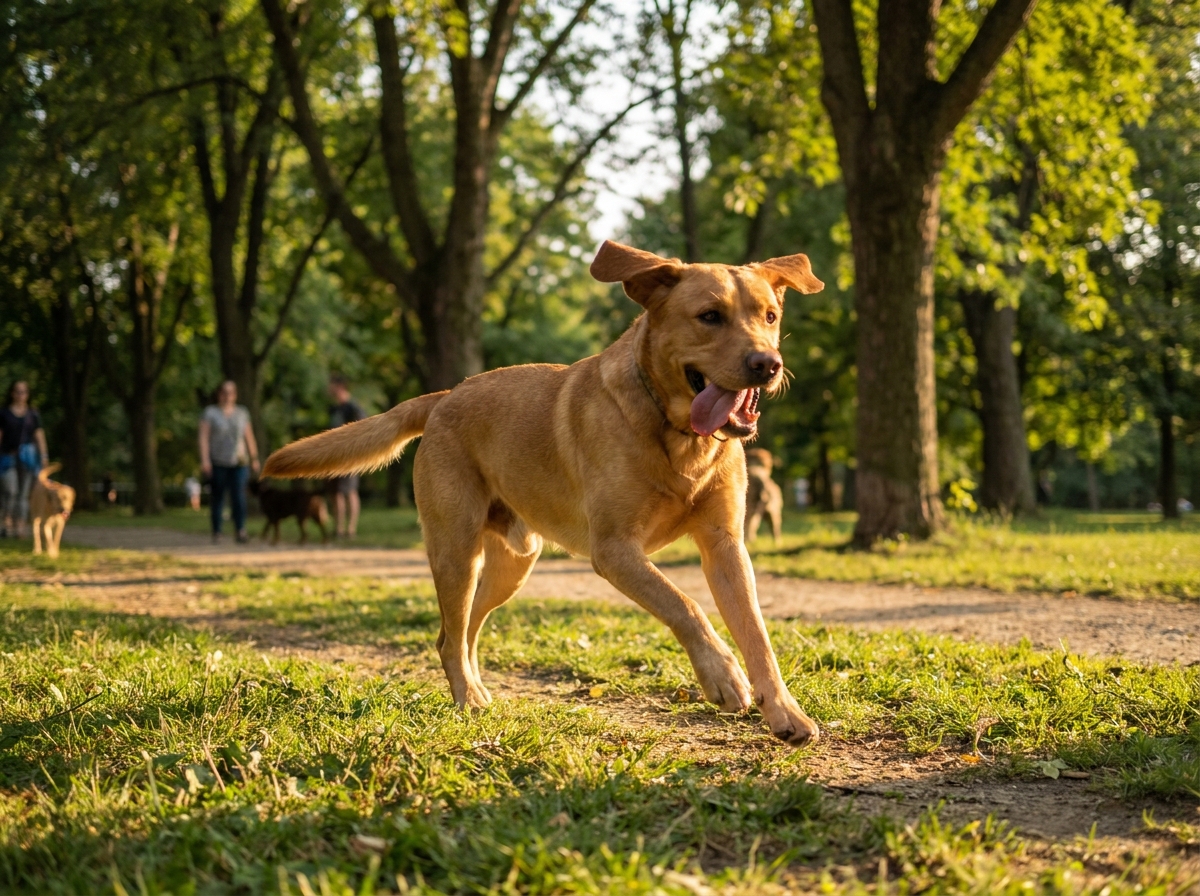
The outdoor environment is where the dog encounters the allergens that are hardest to control: tree pollen, grass pollen, weed pollen, and mold spores. The dog is exposed on every walk, every trip to the park, every time the dog goes out in the yard. The exposure is not optional, but the duration and the post-exposure cleanup are.
The outdoor protocol: walks are timed to avoid peak pollen hours (mid-morning and early evening in most climates; the exact timing depends on the local pollen count). The dog is wiped down after every walk during pollen season — feet, legs, belly, and face. The dog's paws are washed or wiped every time the dog comes in from outside, because the paw contact with the ground is the highest-exposure surface. The yard is kept mowed, but the dog is kept indoors during mowing (the freshly cut grass releases a burst of pollen and mold spores). The dog is not allowed to roll in grass or leaf piles, which are high-load allergen sources.
The dog boots are an option for severe pollen sensitivity. The boots keep the paw pads off the grass and prevent the paw-to-face transfer of pollen. The dog that tolerates boots is a dog with significantly reduced paw allergen load. The owner who cannot get the dog to tolerate boots can use paw wipes as a substitute, with slightly less efficacy.
The realistic impact
The atopic dog that is managed with environmental control alone is rare; almost every atopic dog needs some medication. The dog that is managed with environmental control + medication has, on average, 30-50% fewer flare days per year, requires 30-50% less medication, and has a significantly better quality of life than the dog on medication alone. The cost of environmental control is real but recoverable: a HEPA purifier ($200-400), a HEPA vacuum ($300-500), washable bedding ($100-200), and a few hours per week of cleaning. The benefit is a dog that is comfortable more days of the year, on less medication, with fewer vet visits for secondary infections. The investment pays for itself within 1-2 years for most households.
The one-page summary
A HEPA air purifier in the bedroom, running 24/7. Washable bedding on the dog's bed, washed weekly in hot water. Hard surface flooring where possible, HEPA vacuum where not. Weekly bathing with a gentle moisturizing shampoo. Wipe-down after every walk during pollen season. Humidity below 50% in the bedroom. Keep windows closed during peak pollen. That is the short list. The long list is the details. The short list, executed consistently, is what produces the 30-50% reduction in flare days.