Soft corals: a starter list of species that thrive with beginner care
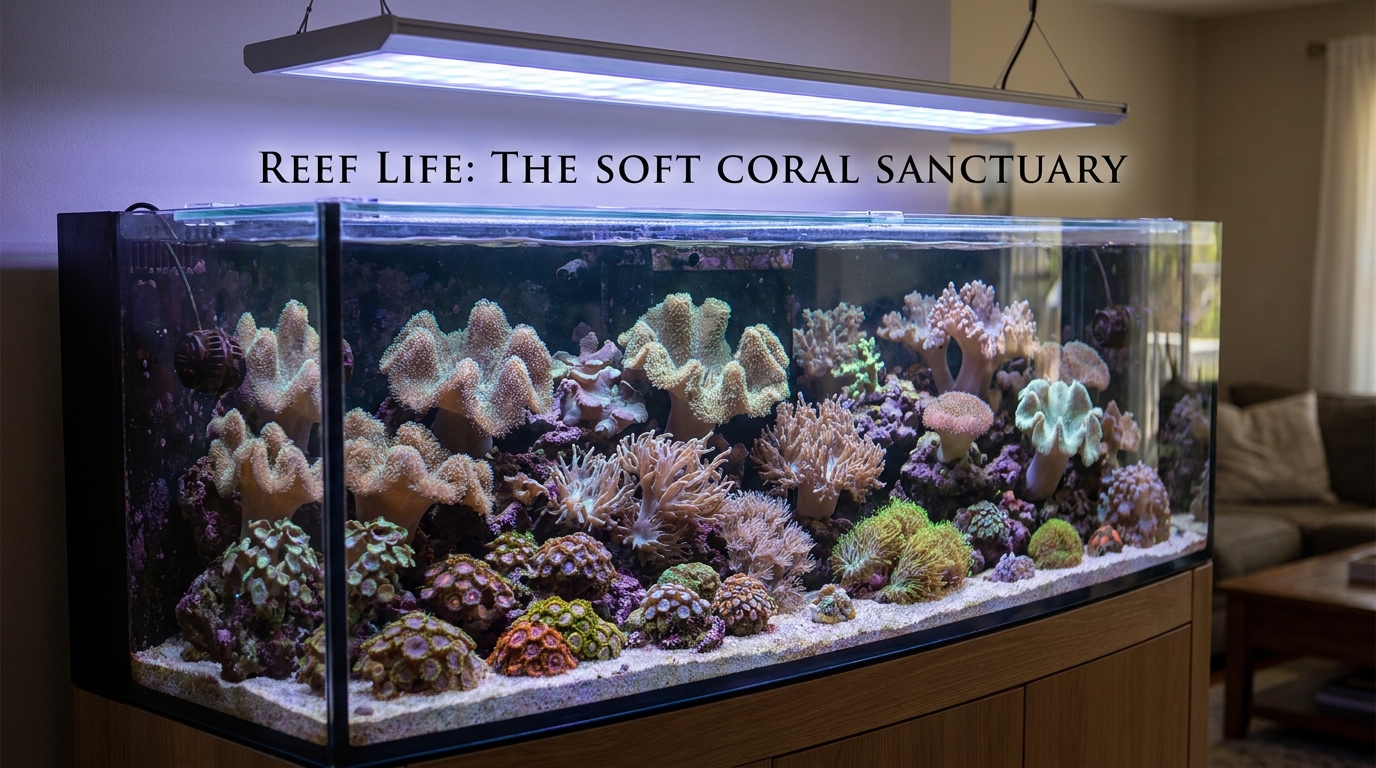
Soft corals are the gateway into reef keeping, and for good reason. They are forgiving of parameter swings, they grow fast, they do not require the intense lighting and flow that SPS corals need, and they are visually striking. A reef tank that is built around a thoughtful soft coral collection can be as beautiful as any SPS-dominated tank, and it is a tank that a beginner can actually keep alive. In this article I will walk through the eight soft coral species I recommend to every beginner, the specific care requirements of each, the growth rates to expect, the placement rules that produce a tank that fills in within 6-12 months, and the two mistakes I see most often in soft coral tanks.
Why soft corals are the beginner gateway
The soft coral category includes corals that do not produce a calcium carbonate skeleton. They are fleshy, flexible, and often pulsing or swaying in the current. The lack of a skeleton means the coral does not have the same calcium and alkalinity demands as an SPS or LPS coral — a soft coral tank does not need a calcium reactor, does not need daily two-part dosing, and does not need the precise alkalinity control that an SPS tank requires. The soft coral still uses calcium and alkalinity, just at a much lower rate.
The lack of skeleton also means the soft coral can grow fast. A leather coral that arrives as a 2-inch frag can be a 12-inch colony in 6-9 months. A zoanthid colony that arrives as a 6-polyp frag can be a 200-polyp colony in a year. The growth is the visual reward that the beginner sees, and the visual reward is what keeps the beginner engaged in the maintenance that the tank still requires.
The soft coral is also more forgiving of beginner mistakes. A missed water change, a slightly off parameter, a temporary drop in lighting — these are all survivable events for most soft corals, and they are events that an SPS coral might not survive. The beginner who starts with soft corals is the beginner who gets to make their first mistakes on corals that can recover, not on corals that bleach and die.
The starter list, ranked by ease of care
In order of how forgiving each species is and how well it grows in a beginner tank:
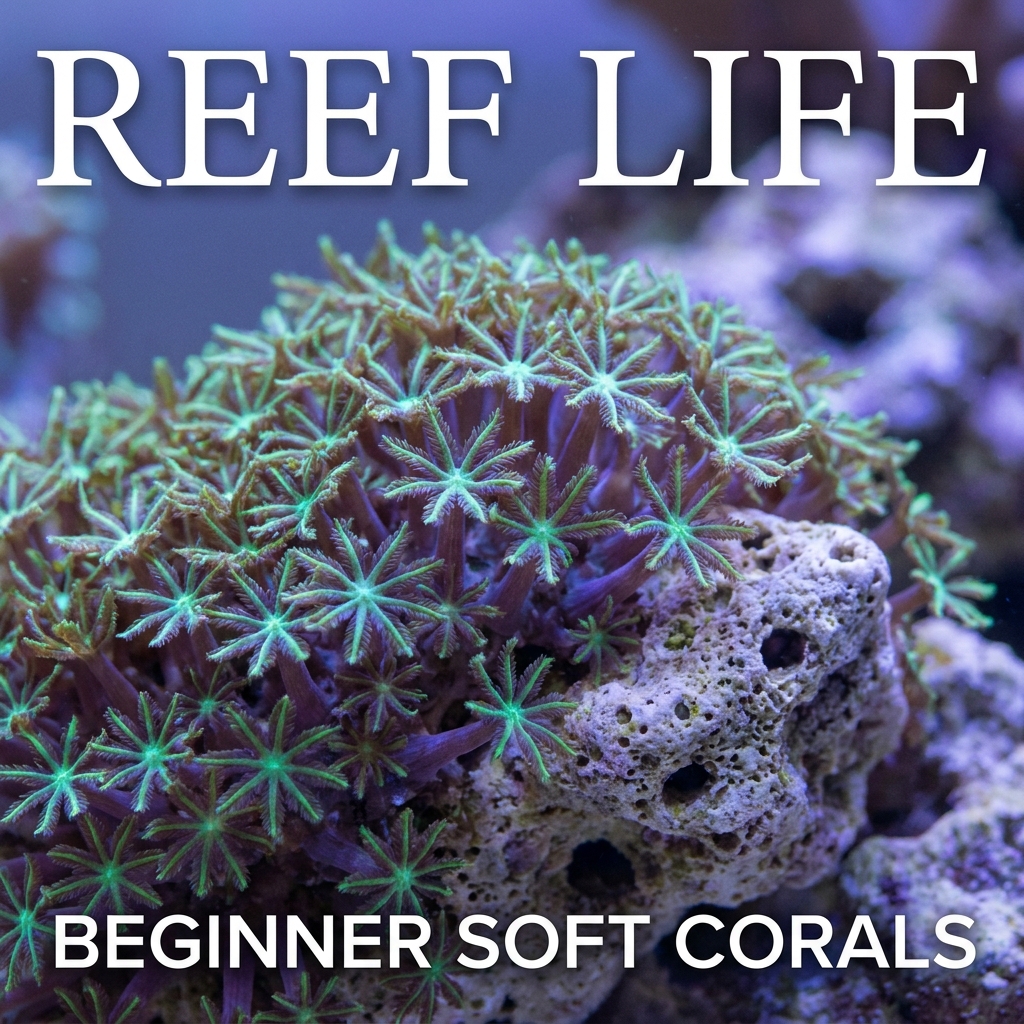
Green star polyps (Pachyclavularia violacea) — the easiest soft coral to keep. Grows on almost any surface, tolerates a wide range of lighting and flow, and spreads aggressively. The main concern is that it spreads so aggressively that it will overgrow other corals if not contained. Place it on an isolated rock island where its growth can be controlled. Light: low to medium (50-150 PAR). Flow: low to medium. Position: anywhere with stable rock contact.
Mushroom corals (Rhodactis, Discosoma, Ricordea) — the second easiest. Mushrooms are extremely forgiving of parameter swings and can survive in low light. They come in a wide variety of colors and textures, and they are the most "natural" looking soft coral in a beginner tank. The main concern is that some mushroom species (particularly Rhodactis) can release toxins that affect other corals. Place mushrooms on an isolated rock or in a low-flow area. Light: low to medium (50-150 PAR). Flow: low.
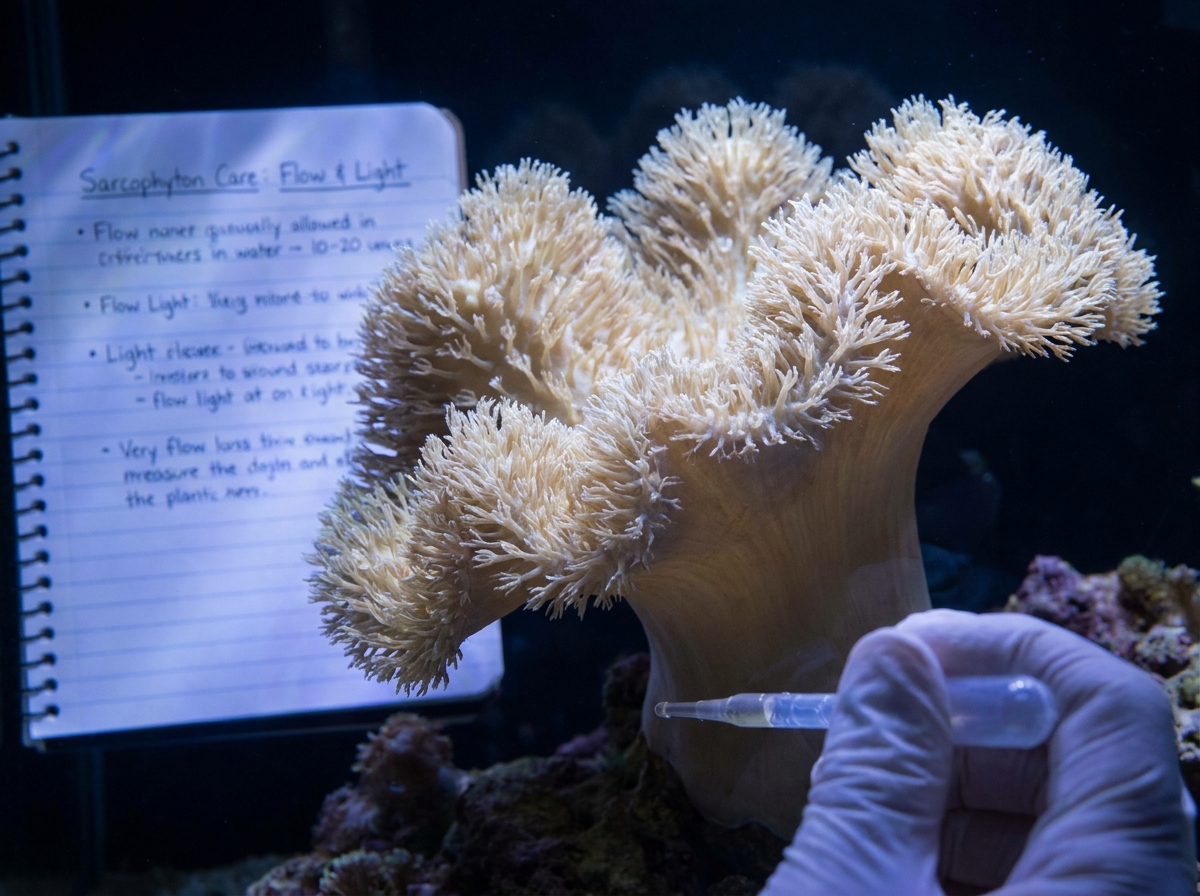
Leather corals (Sarcophyton, Sinularia, Lobophytum) — the third easiest, and the most visually impressive. The toadstool leather (Sarcophyton) is the largest and most dramatic. The leather coral has a "trunk" structure with a crown of polyps that retracts when stressed. The crown opens within a few days of introduction if the water is good. The leather coral produces terpenes (chemical compounds) that can affect other corals; the most common issue is a leather that has been moved or stressed releasing a slug of terpenes that affects nearby SPS or LPS corals. Place leathers on an isolated island where the terpenes can dissipate. Light: medium (100-200 PAR). Flow: medium to high.
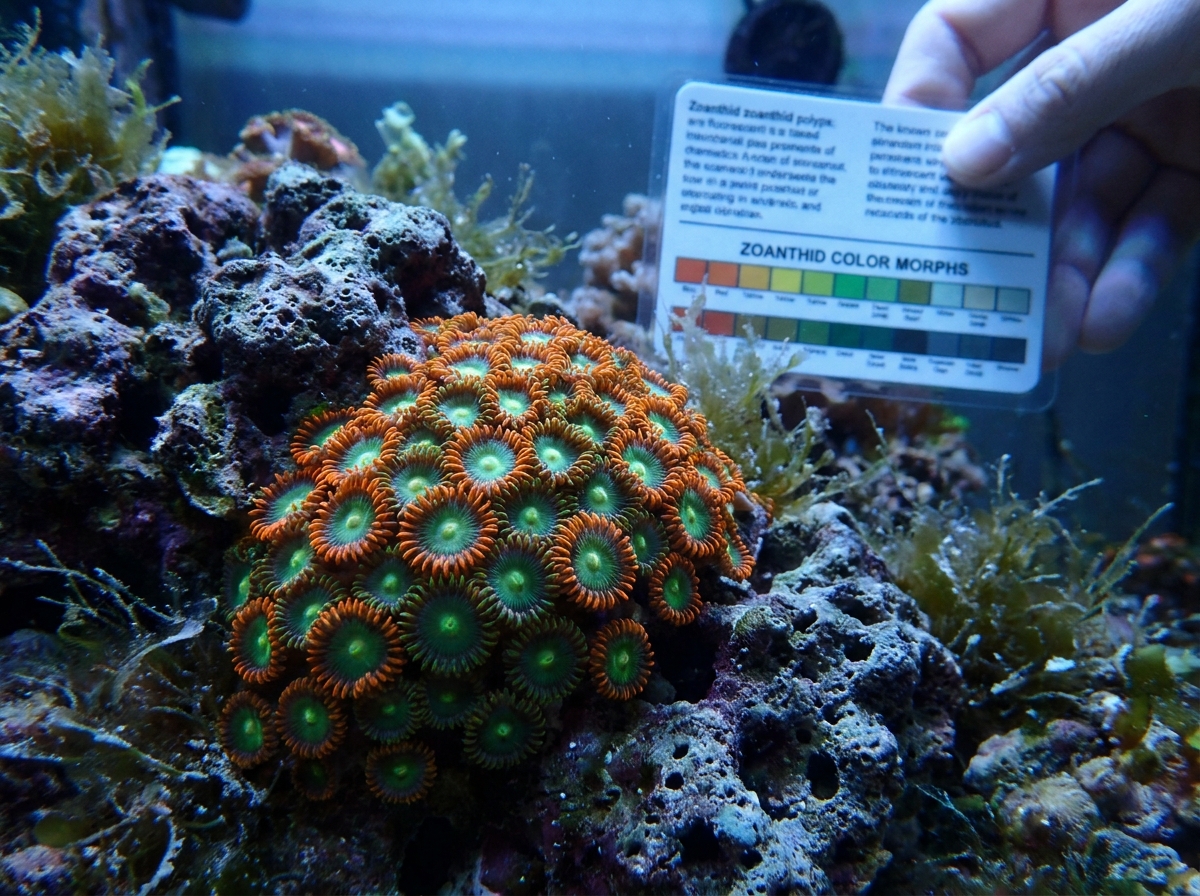
Zoanthids (Zoanthus, Palythoa) — the fourth easiest. Zoanthids are the most colorful and diverse soft coral group, with hundreds of named color morphs. They grow as a mat of polyps on rock, and the mat expands over time. Zoanthids are tolerant of most conditions, but they are sensitive to high nitrate (which produces a brown coloration in the zoanthids — they lose their color in high-nutrient tanks) and to the presence of certain pests. Light: medium (100-200 PAR). Flow: medium.
Pulsing xenia (Xenia umbellata) — the fifth easiest. Xenia is famous for its pulsing polyps, which open and close in a rhythmic pattern that is mesmerizing to watch. Xenia grows fast in tanks with low-to-medium nutrient levels, but it is sensitive to high nitrate. The main concern is that xenia can be an aggressive grower that takes over the tank. Place xenia on an isolated rock. Light: medium (100-200 PAR). Flow: medium.
Cabbage leather (Sinularia flexibilis) — similar to toadstool leather but more flexible. Easy to keep, fast-growing, produces terpenes. Same care as toadstool. Light: medium. Flow: medium to high.
Clove polyps (Clavularia) — similar to green star polyps in growth pattern but more delicate. The polyps have a feathery appearance and retract into a mat when disturbed. Easy to keep but slower growing than green star polyps. Light: medium. Flow: medium.
Tree corals (Capnella, Nepthea) — the most "natural" looking soft coral, with a branching tree-like structure. Easy to keep but slower growing. Light: medium. Flow: medium.
The placement rules
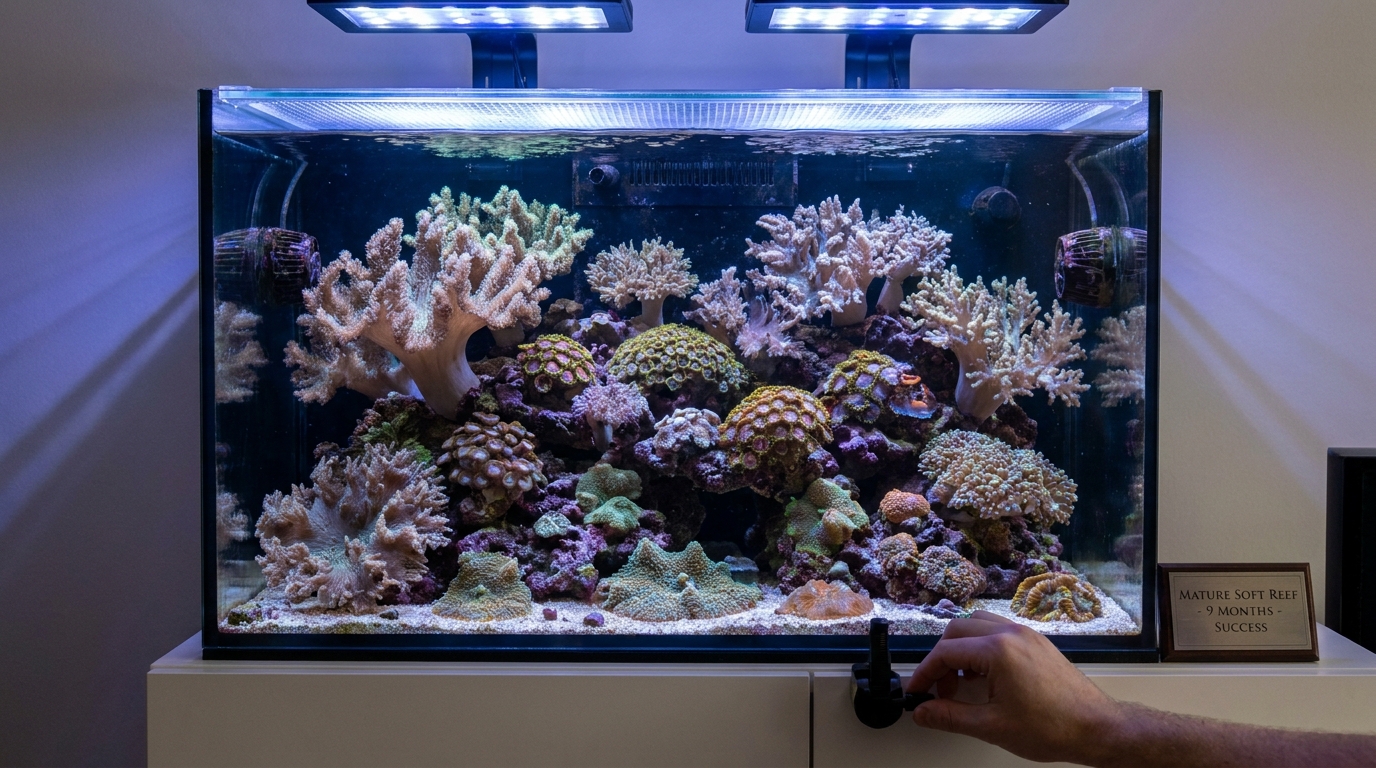
The single most important rule in a soft coral tank: every soft coral on an isolated rock island. The soft corals that release terpenes (leather, xenia, cabbage) and the soft corals that release toxins (some mushrooms) are best placed on their own rocks, away from other corals. The rock island allows the chemicals to dissipate in the flow before they affect neighboring corals. The beginner who places a leather coral next to an SPS frag is the beginner who loses the SPS frag.
The second rule: light and flow matching. Each species has a light and flow range where it thrives. The placement in the tank should match. Mushrooms in low light, low flow. Leathers in medium light, medium-high flow. Zoanthids in medium light, medium flow. Xenia in medium light, medium flow. The matching is what produces the bright color and the full polyp extension. The mismatched placement produces retracted polyps, brown coloration, and slow growth.
The third rule: give them space. The soft coral that is 2 inches today is 8 inches in six months. The placement should account for the future size, not the current size. The beginner who packs the tank with frags is the beginner who has to remove overgrown colonies six months later.
The growth timeline
A typical soft coral tank, properly stocked and maintained, follows a predictable growth timeline. Month 1-2: the corals are acclimating, polyps are partially extended, growth is slow. Month 3-4: the corals have acclimated, polyp extension is full, growth begins. Month 5-6: visible growth, colonies are expanding, the tank is starting to look like a reef. Month 7-9: significant growth, the rockwork is filling in, frags are taking shape. Month 10-12: the tank is full, the corals are competing for space, the beginner is doing coral pruning and fragging. The growth is the reward.
The two mistakes
The first is the brown zoanthid tank. Zoanthids in a high-nutrient tank turn brown. The brown coloration is the zoanthid's symbiotic zooxanthellae becoming more dominant as the coral adjusts to high nutrients. The fix is aggressive nutrient export — heavy protein skimming, low feeding, water changes, and GFO (granular ferric oxide) for phosphate. Within 2-3 months the zoanthid color returns. The second is the leather that killed the SPS. The leather coral that was placed next to an SPS frag released terpenes during a stress event, the SPS frag bleached, and the beginner lost the frag. The fix is the rock island rule. Every aggressive chemical releaser on its own rock.
The honest summary
A soft coral tank is a beginner-friendly reef that grows visibly, forgives beginner mistakes, and does not require the equipment investment of an SPS tank. The starter list of eight species covers the range of colors, growth patterns, and care requirements. The placement on isolated rock islands prevents the chemical warfare that can kill other corals. The growth timeline is 6-12 months to a full tank. The beginner who starts with soft corals is the beginner who builds a foundation for the eventual addition of LPS and SPS, and who gets to enjoy the reef hobby while learning the maintenance skills that the harder corals demand.