
Recall training: the 1-meter to 100-meter progression that builds a reliable recall
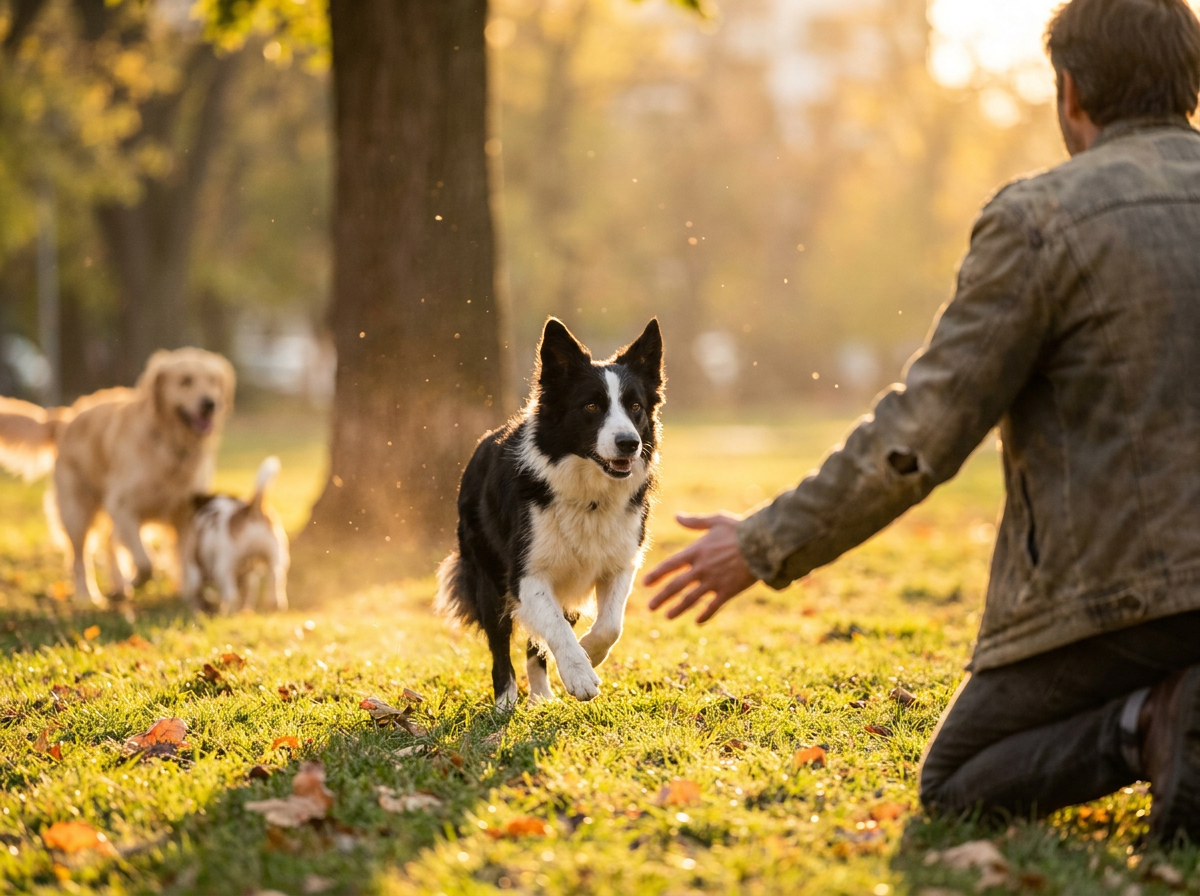
The reliable recall is the most important behavior the dog can learn, and the reliable recall is the behavior that is the difference between the off-leash dog that comes back when called and the off-leash dog that runs off, that chases the squirrel, that runs into the street, that gets lost. The dog that has the reliable recall is the dog that can be trusted off-leash, and the dog that can be trusted off-leash is the dog that has the most freedom and the most quality of life. The dog that does not have the reliable recall is the dog that is restricted to the leash for life, and the restriction is the limitation that affects every walk, every hike, every beach visit. In this article I will walk through the training principles, the 1-meter to 100-meter progression, the proofing exercises that maintain the recall, the mistakes that undermine the recall, and the realistic timeline for the reliable recall.
The training principles
The recall training is based on the operant conditioning principles, and the principles are the same as for any other behavior. The principles:
The recall is fun. The recall has to be the dog's favorite thing. The dog that comes when called and gets the best treat in the world is the dog that comes when called. The dog that comes when called and gets the boring treat, the verbal praise, or the leash snap is the dog that does not come when called.
The recall is consistent. The recall has to be the same cue, the same reward, the same reinforcement. The owner who uses "come" sometimes, "here" sometimes, and the dog's name sometimes is the owner who has the confused dog. The owner who uses one cue, in one tone, with one reward, every time, is the owner who has the dog that knows what the cue means.
The recall is non-negotiable. The recall has to be the behavior that the dog performs every time the cue is given. The dog that comes when called and is allowed to go back to what the dog was doing is the dog that learns the recall is optional. The dog that comes when called and is leashed, or the dog that comes when called and is given the treat, is the dog that learns the recall is non-negotiable.
The recall is built gradually. The recall is not a behavior that the dog can learn in a single session. The recall is a behavior that the dog learns over weeks and months, with each session building on the previous. The dog that is rushed is the dog that fails.
The 1-meter to 100-meter progression
The progression is structured to build the distance gradually, with the dog successful at each distance before moving to the next. The progression:
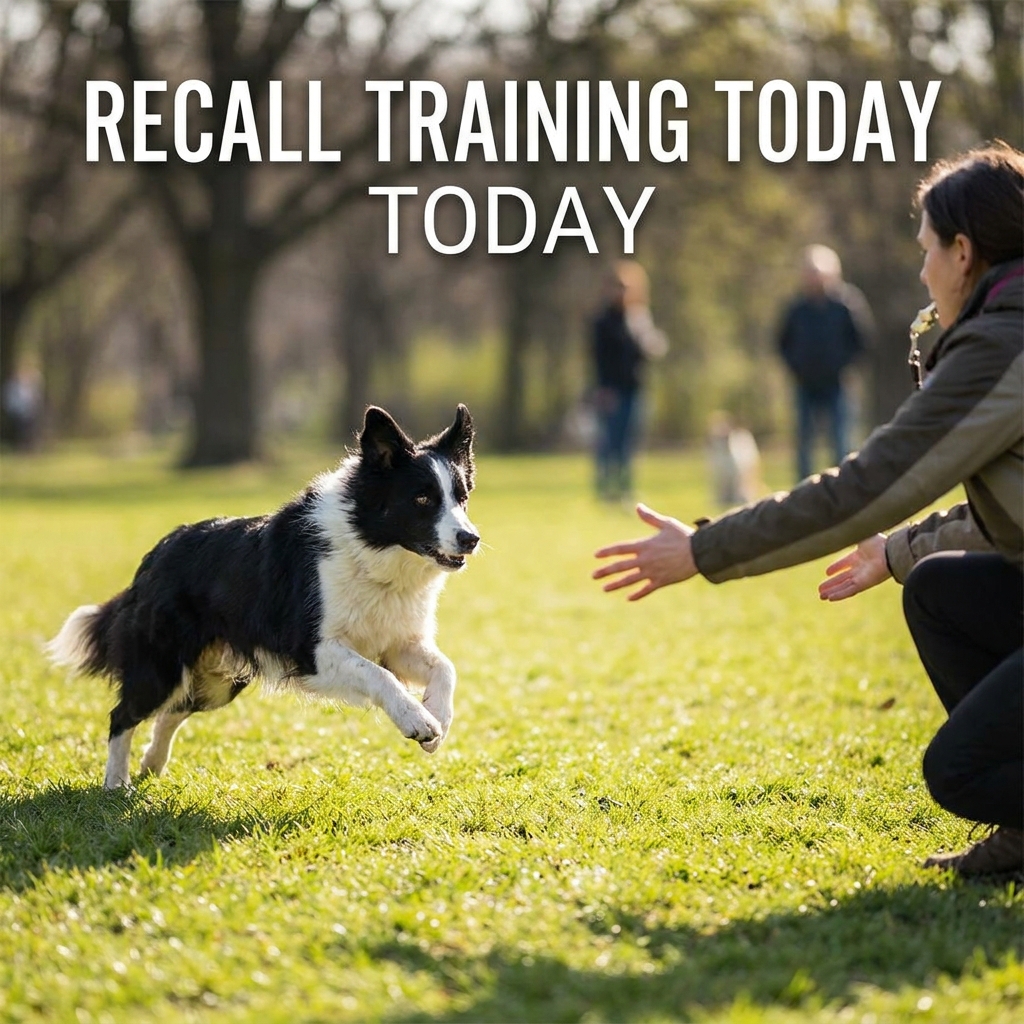
Stage 1: 1 meter (days 1-3). The dog is on a leash, the owner is 1 meter away, the owner says the recall cue once, the owner lures the dog with the treat if the dog does not come, the owner rewards the dog with the treat and the praise when the dog comes. The session: 5-10 repetitions, 2-3 sessions per day, with the dog successful in 80%+ of the repetitions. The cue: a single word ("come" or "here"), in a happy tone, every time.
Stage 2: 2-3 meters (days 3-7). The dog is on a leash, the owner is 2-3 meters away, the owner says the recall cue once, the owner waits 1-2 seconds before luring, the owner rewards the dog with the treat and the praise. The session: 5-10 repetitions, 2-3 sessions per day. The success rate should be 80%+.
Stage 3: 5 meters (weeks 1-2). The dog is on a long leash (5-10 meters), the owner is 5 meters away, the owner says the recall cue, the owner waits 2-3 seconds before any luring, the owner rewards the dog with the treat and the praise. The session: 5-10 repetitions, 1-2 sessions per day. The success rate should be 80%+.
Stage 4: 10 meters (weeks 2-4). The dog is on a long leash (10 meters), the owner is 10 meters away, the owner says the recall cue, the owner waits 3-5 seconds, the owner rewards the dog with the treat and the praise. The session: 5-10 repetitions, 1-2 sessions per day. The success rate should be 80%+.
Stage 5: 20 meters (weeks 4-8). The dog is on a long leash (20 meters), the owner is 20 meters away, the owner says the recall cue, the owner waits 5-10 seconds. The session: 5-10 repetitions, 1 session per day. The success rate should be 80%+.
Stage 6: 50 meters (weeks 8-16). The dog is off-leash in a secure area (a fenced yard, a quiet field), the owner is 50 meters away, the owner says the recall cue, the owner waits until the dog comes (or returns to the dog to investigate if the dog does not come). The session: 3-5 repetitions, 1 session per day. The success rate should be 80%+.
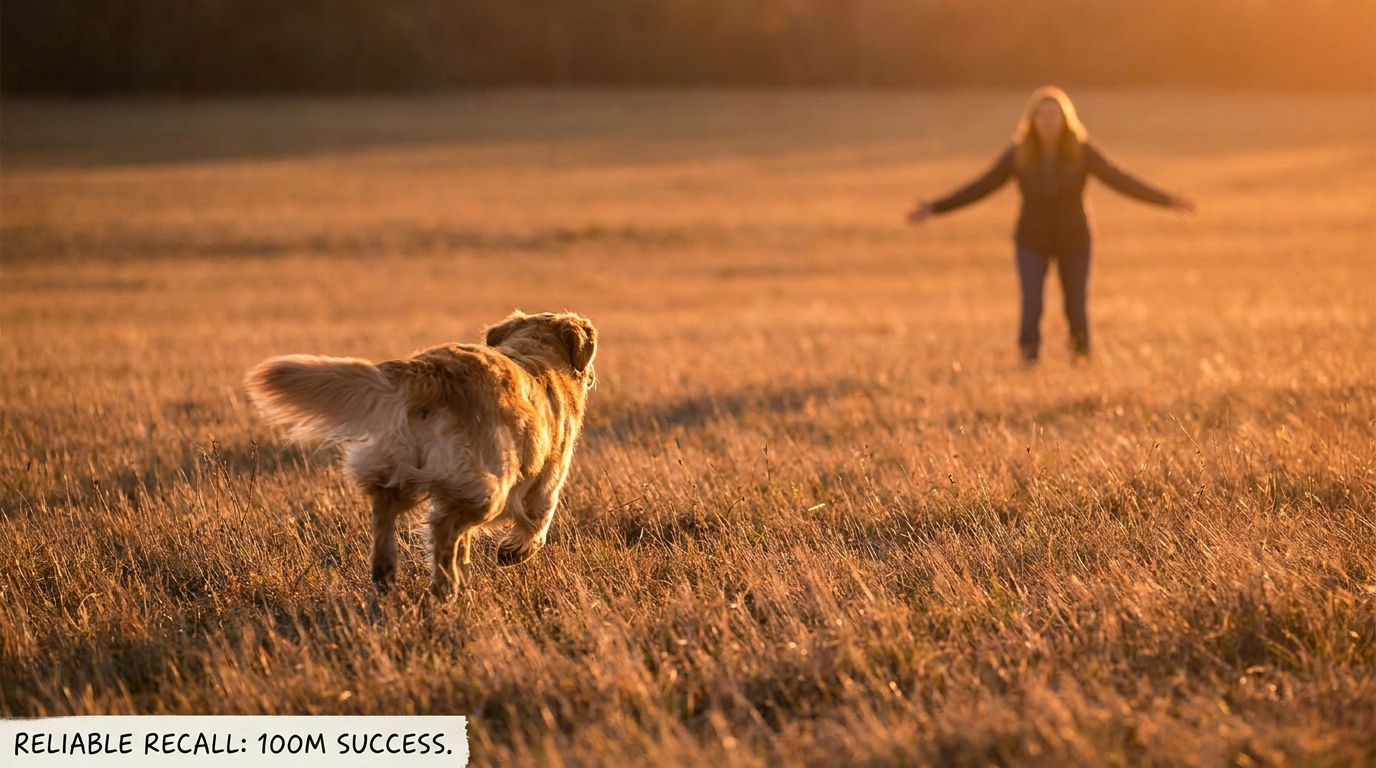
Stage 7: 100 meters (months 4-6). The dog is off-leash in a larger area, the owner is 100 meters away, the owner says the recall cue. The session: 3-5 repetitions, 1 session per day, in different locations and with different distractions. The success rate should be 80%+.
The proofing exercises
The proofing is what maintains the recall in the real-world situations. The proofing exercises:
The recall with the distraction. The recall in the presence of the other dogs, the squirrels, the birds, the people. The proofing is done gradually, with the distraction added at the level that the dog can handle, and the distraction increased as the dog succeeds. The dog that is proofed with the squirrels is the dog that does not chase the squirrels when called.
The recall from the play. The recall when the dog is playing with the other dog, the recall when the dog is playing with the toy, the recall when the dog is having the best time. The proofing is critical, because the recall from the play is the recall that the owner needs in the real world (the recall at the dog park, the recall at the beach, the recall at the trail).
The recall in the different locations. The recall in the home, the recall in the yard, the recall in the park, the recall in the trail, the recall in the pet-friendly store. The recall in the different locations is what produces the generalizable recall, the recall that works in any context.
The recall with the different people. The recall with the owner, the recall with the partner, the recall with the dog walker, the recall with the vet tech. The recall with the different people is what produces the recall that works regardless of who is calling.
The mistakes that undermine the recall
The unreliable reward. The recall that is sometimes rewarded with the best treat and sometimes with the verbal praise is the recall that is not reliable. The fix: the recall is always rewarded with the high-value treat, every time, no exceptions. The verbal praise is a supplement, not a substitute.
The "come" for the bath. The recall that is sometimes used to call the dog for the bath, the nail trim, the vet visit, the medication is the recall that becomes poisoned. The dog learns that "come" can mean a negative experience, and the dog stops coming. The fix: the recall is only used for positive things (the treat, the play, the walk). The bath and the medication are done without the recall, with the dog retrieved by a different method.
The over-calling. The owner who calls the dog every 5 minutes "just to test" is the owner who is teaching the dog to ignore the recall. The fix: the recall is used when the dog is actually needed, not for testing. The testing is done in the training sessions, not in the real-world situations.
The punishing the recall. The recall that is followed by the leash grab, the bath, the scolding is the recall that the dog avoids. The fix: the recall is always followed by the positive experience (the treat, the play). The negative experience is never associated with the recall.
The giving up on the long leash. The owner who lets the dog off-leash before the dog is reliable at the 50-meter distance is the owner who is setting the dog up for the escape. The fix: the long leash is used until the dog is reliable at the 50-meter distance, and the off-leash is only for the dog that is ready.
The realistic timeline for the reliable recall
The reliable recall is a long-term project, not a short-term fix. The typical timelines:
The puppy (8-16 weeks): the foundations are laid in the puppy class, with the 1-meter recall being the first behavior. The puppy is reliable at the 1-meter recall within the first week of training.
The adolescent (4-12 months): the 1-meter to 50-meter progression is built, with the off-leash reliability at the 50-meter distance being achieved at 8-12 months.
The adult (1-7 years): the 50-meter to 100-meter progression is built, with the proofing in the real-world situations being added. The adult dog that has been trained properly is reliable at the 100-meter distance with the distractions within 6-12 months of the progression start.
The senior (7+ years): the senior dog is typically reliable at the recall that the senior dog has learned, and the senior dog does not need to be re-trained. The senior dog may have the hearing loss that affects the recall, and the senior dog may need the visual cue (the hand signal) in addition to the verbal cue.
The most important sentence in this article
The reliable recall is the most important behavior the dog can learn, and the reliable recall is the behavior that is built gradually, with the progression from 1 meter to 100 meters over weeks and months. The recall is fun, the recall is consistent, the recall is non-negotiable, the recall is built gradually. The owner who runs the progression is the owner who has the dog that comes when called. The owner who skips the progression is the owner who has the dog that runs off. The progression is the work. The progression is what makes the difference.