
LPS corals: husbandry essentials for the large polyp stony corals that anchor most reefs
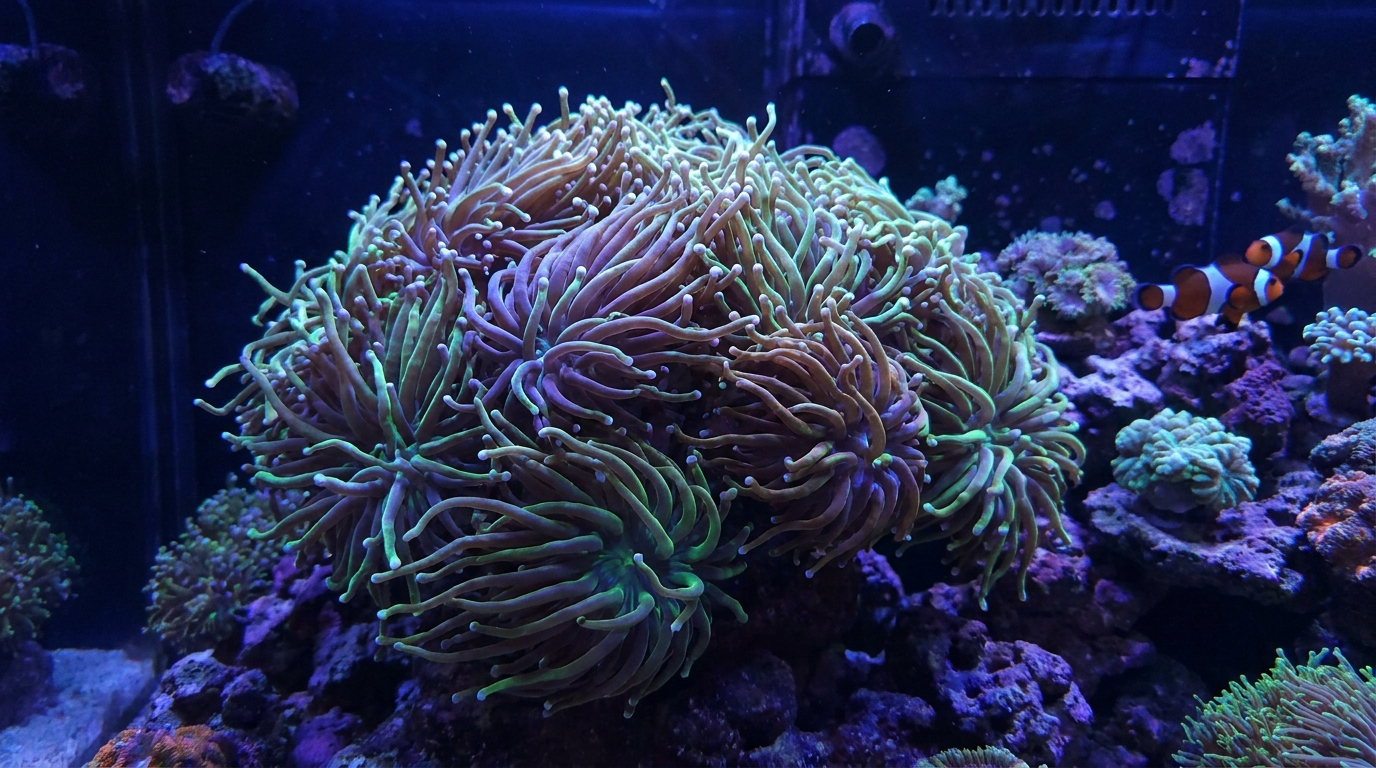
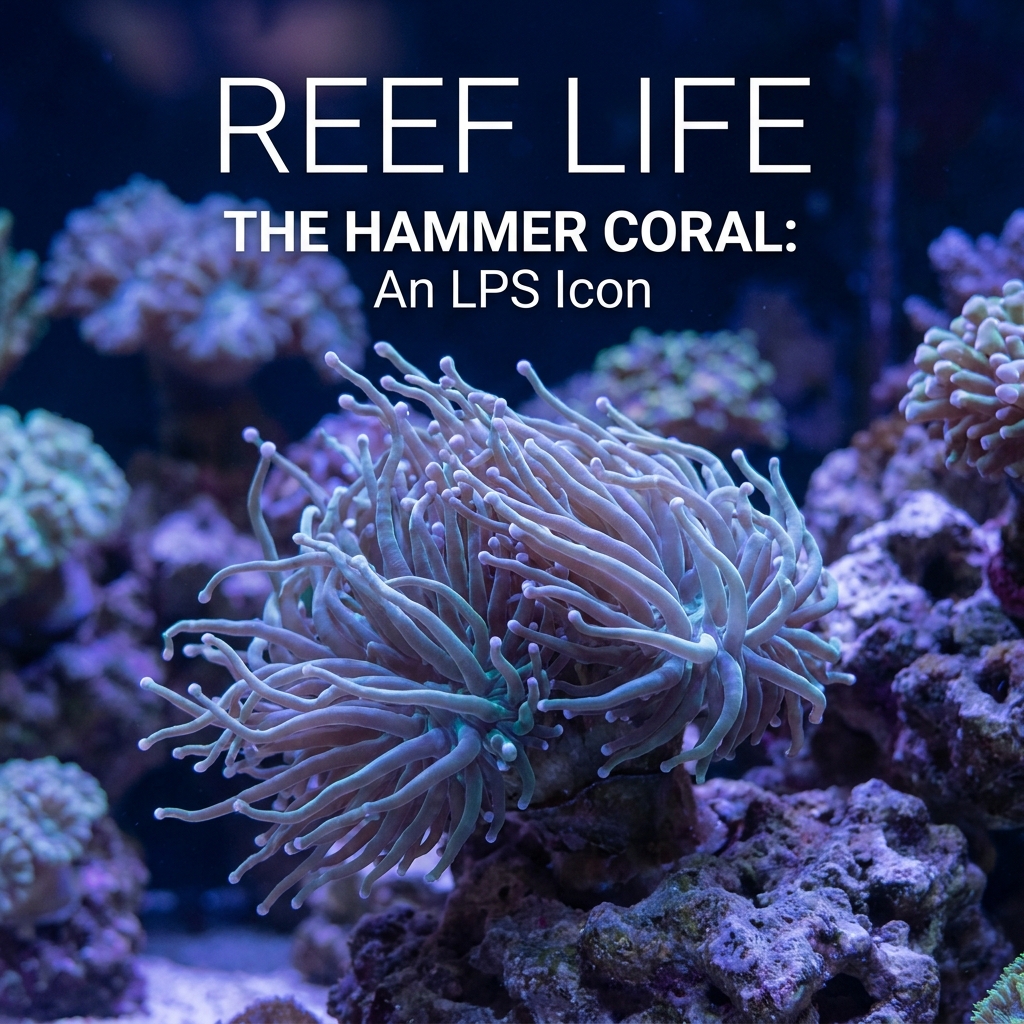
The large polyp stony (LPS) corals are the workhorses of the reef tank. The LPS corals — the hammer coral, the frogspawn coral, the Duncan coral, the Acanthastrea (Acan), the Trachyphyllia, the Favia, the Fungia, the Platygyra — are the corals that anchor the mixed reef and the LPS-dominated reef. The LPS corals are more forgiving than the small polyp stony (SPS) corals, with a wider tolerance for the parameter swings, a lower light requirement, and a more flexible flow requirement. The LPS corals are also more visually striking than the soft corals, with the calcified skeleton and the fleshy polyps producing a dramatic appearance. In this article I will walk through the LPS biology, the lighting requirements, the flow requirements, the feeding, the placement, the common mistakes, and the realistic expectations for the LPS-anchored reef.
The LPS biology
The LPS corals are stony corals (they produce a calcium carbonate skeleton) with large, fleshy polyps (typically 1-5 cm in diameter). The polyps extend during the day to feed and to photosynthesize, and the polyps retract at night or when stressed. The skeleton is the framework that the polyps sit on, and the skeleton is what gives the LPS its size and its structure.
The LPS corals, like all stony corals, are cnidarians (related to jellyfish and anemones) that have a symbiotic relationship with zooxanthellae. The zooxanthellae provide the coral with the energy through photosynthesis, and the coral provides the zooxanthellae with the shelter and the nutrients. The LPS corals also feed on the dissolved and the particulate organic matter in the water, and the LPS corals can be target-fed with the meaty foods to enhance the growth and the color.
The LPS corals are generally slower-growing than the SPS corals, with growth rates of 1-5 cm per year for the common LPS species. The slower growth rate makes the LPS corals more forgiving of the parameter swings, and the slower growth rate also means that the LPS corals do not consume the calcium and the alkalinity as fast as the SPS corals.
The lighting requirements
The LPS corals prefer moderate lighting, with a target of 100-250 PAR at the coral. The PAR range is significantly lower than the SPS range (250-450 PAR), and the LPS range is more achievable with the standard reef LED fixtures.
The lighting spectrum: the LPS corals benefit from a balanced spectrum, with a mix of blue (for the photosynthesis), white (for the overall health and the color), and a small amount of UV/violet (for the color and the fluorescence). The standard reef LED fixture with the blue/white/UV channels typically provides the right spectrum for the LPS.
The lighting acclimation: the LPS corals should be acclimated to the lighting of the new tank. The acclimation protocol: place the LPS on a low-light area of the tank for 1-2 weeks, gradually move the LPS to the target location, and watch for signs of lighting stress (the bleached polyps, the retracted polyps, the excessive mucus production). The LPS that is acclimated properly is the LPS that adjusts to the new lighting without the stress.
The flow requirements
The LPS corals prefer moderate, indirect flow, with the flow that moves the polyps gently but does not blast them. The flow that is too strong can cause the polyps to retract, the flow that is too weak can cause the detritus to accumulate on the polyps and the skeleton.
The flow rate: the LPS corals prefer 5-10x the tank volume per hour in the area of the coral, with the flow coming from multiple directions to prevent the dead spots. The flow that is too strong or too unidirectional is the flow that can damage the polyps.
The flow placement: the LPS corals should be placed in an area of moderate, indirect flow, away from the direct outflow of the powerheads or the return pump. The flow that is indirect (the flow that has bounced off the glass or the rock before reaching the coral) is the flow that is gentle and consistent.
The feeding
The LPS corals are photosynthetic, but the LPS corals also benefit from the supplemental feeding. The supplemental feeding provides the coral with the additional nutrients that the zooxanthellae cannot provide, and the supplemental feeding enhances the growth and the color.
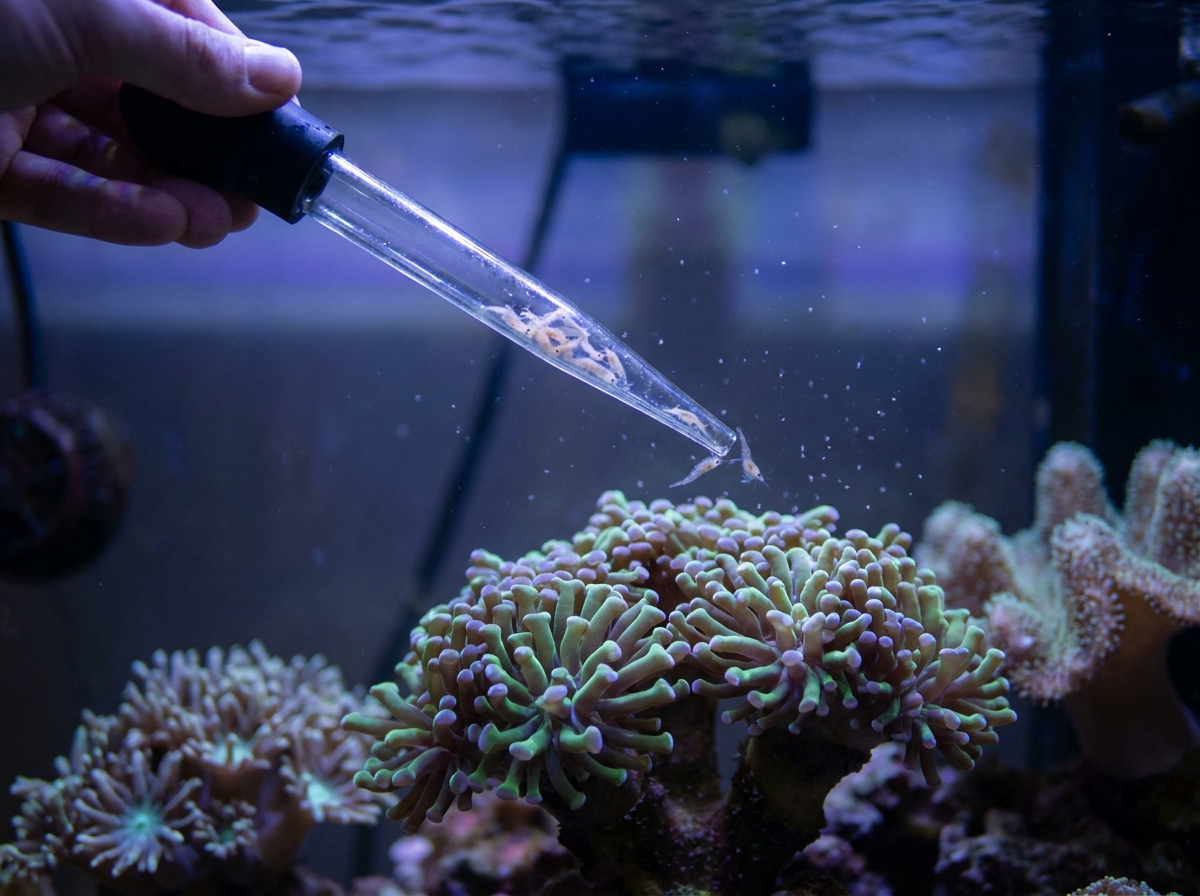
The target foods: the LPS corals can be fed with the meaty foods (mysis shrimp, brine shrimp, chopped fish, chopped clam, commercial LPS foods). The food should be small enough to be captured by the polyps, and the food should be placed directly on the polyps or near the mouth of the coral.
The feeding frequency: the LPS corals should be fed 1-2 times per week, with the target feeding. The overfeeding can cause the nutrient spikes that fuel the algae growth, and the underfeeding can limit the growth and the color of the coral.
The feeding technique: the target feeding is done with a turkey baster, a pipette, or a feeding stick. The food is placed directly on the polyps or near the mouth of the coral, and the coral captures the food with the tentacles. The feeding is done with the pumps and the powerheads turned off (to prevent the food from being washed away), and the pumps are turned back on after 5-10 minutes.
The placement
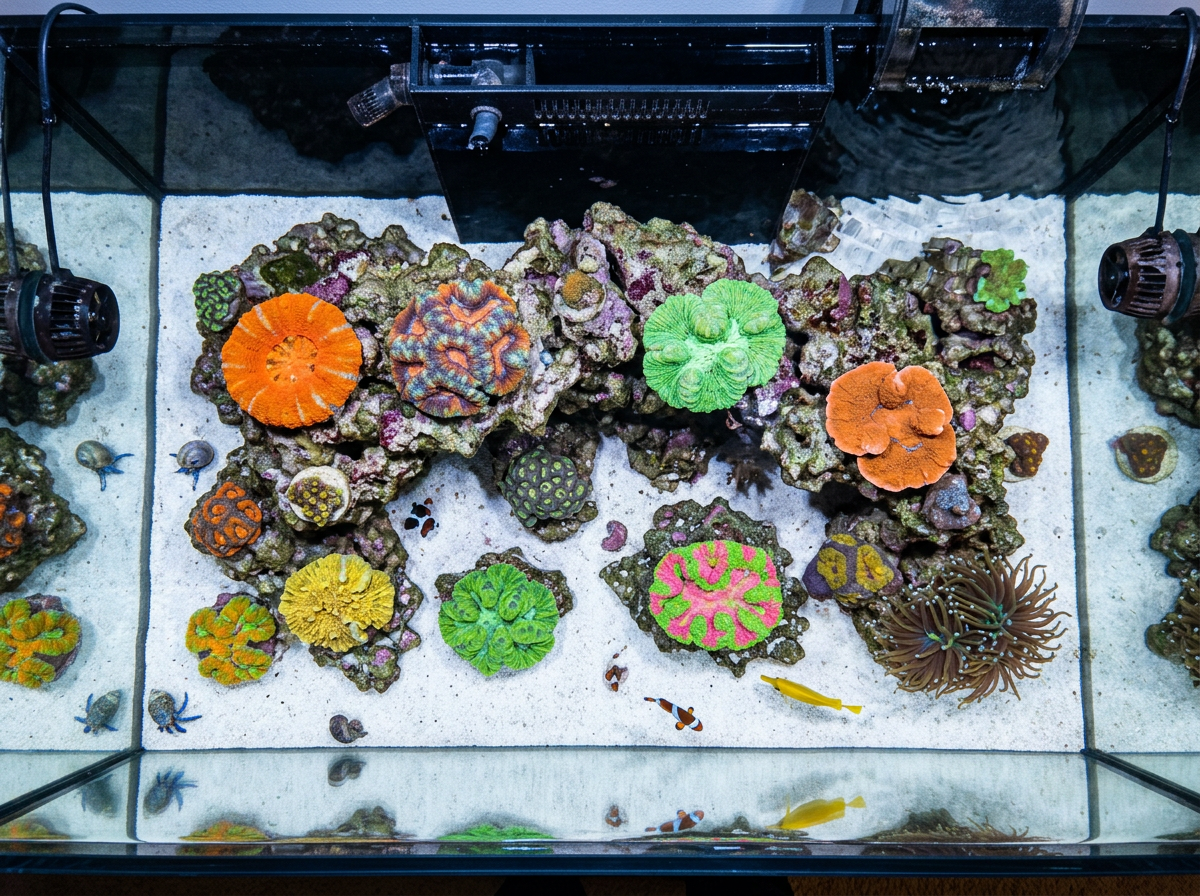
The placement of the LPS corals in the reef tank is critical. The placement should consider the lighting, the flow, the aggression, and the growth rate.
The lighting-based placement: the LPS corals that prefer more light (Trachyphyllia, Acan) should be placed in the higher-light areas. The LPS corals that prefer less light (Fungia, some Acanthastrea) should be placed in the lower-light areas.
The flow-based placement: the LPS corals that prefer more flow (Duncan, some hammers) should be placed in the higher-flow areas. The LPS corals that prefer less flow (Trachyphyllia, some Acan) should be placed in the lower-flow areas.
The aggression-based placement: the LPS corals are aggressive, with the sweeper tentacles (the long tentacles that extend at night to sting nearby corals) reaching 5-15 cm from the coral. The LPS corals should be placed at least 15-20 cm apart from each other and from the other corals, to prevent the stinging. The placement that is too close is the placement that produces the tissue damage on the neighboring coral.
The growth-based placement: the LPS corals grow over time, and the placement should account for the future size. The LPS that is placed in a 2-inch space will outgrow the space in 6-12 months, and the LPS that is placed in a 4-inch space will have the room to grow.
The common mistakes
The lighting that is too intense. The LPS corals are often placed too high in the tank, and the LPS corals are exposed to the SPS-level PAR. The result is the bleached polyps, the retracted polyps, and the loss of the zooxanthellae. The fix: lower the LPS in the tank, or reduce the lighting intensity.
The flow that is too direct. The LPS corals are often placed in the direct outflow of a powerhead, and the LPS corals are blasted with the flow. The result is the retracted polyps and the slow growth. The fix: redirect the flow, or move the LPS to a more sheltered location.
The over-feeding. The LPS corals are often over-fed, with the target feeding done every day and the broadcast feeding done multiple times per day. The result is the nutrient spikes that fuel the algae growth and the poor water quality. The fix: the target feeding 1-2 times per week, with the broadcast feeding only when the other corals need it.
The placement that is too close. The LPS corals are often placed too close to each other, and the LPS corals sting each other. The result is the tissue damage on the side of the coral. The fix: the placement that is 15-20 cm apart, with the growth accounted for.
The over-handling. The LPS corals are often handled (the polyps are touched, the coral is moved) too often, and the LPS corals are stressed. The result is the retracted polyps and the slow growth. The fix: minimize the handling, with the polyps allowed to extend and retract naturally.
The honest summary
The LPS corals are the workhorses of the reef tank, and the LPS corals are the corals that anchor the mixed reef and the LPS-dominated reef. The husbandry: moderate lighting (100-250 PAR), moderate indirect flow (5-10x tank volume per hour), target feeding 1-2 times per week with the meaty foods, and the placement that is 15-20 cm apart from the other corals. The common mistakes: lighting too intense, flow too direct, over-feeding, placement too close, over-handling. The reef keeper who runs the protocol is the reef keeper who has the thriving LPS corals. The protocol is the work. The protocol is what makes the difference.