
Coral bleaching: early identification and response in a reef tank
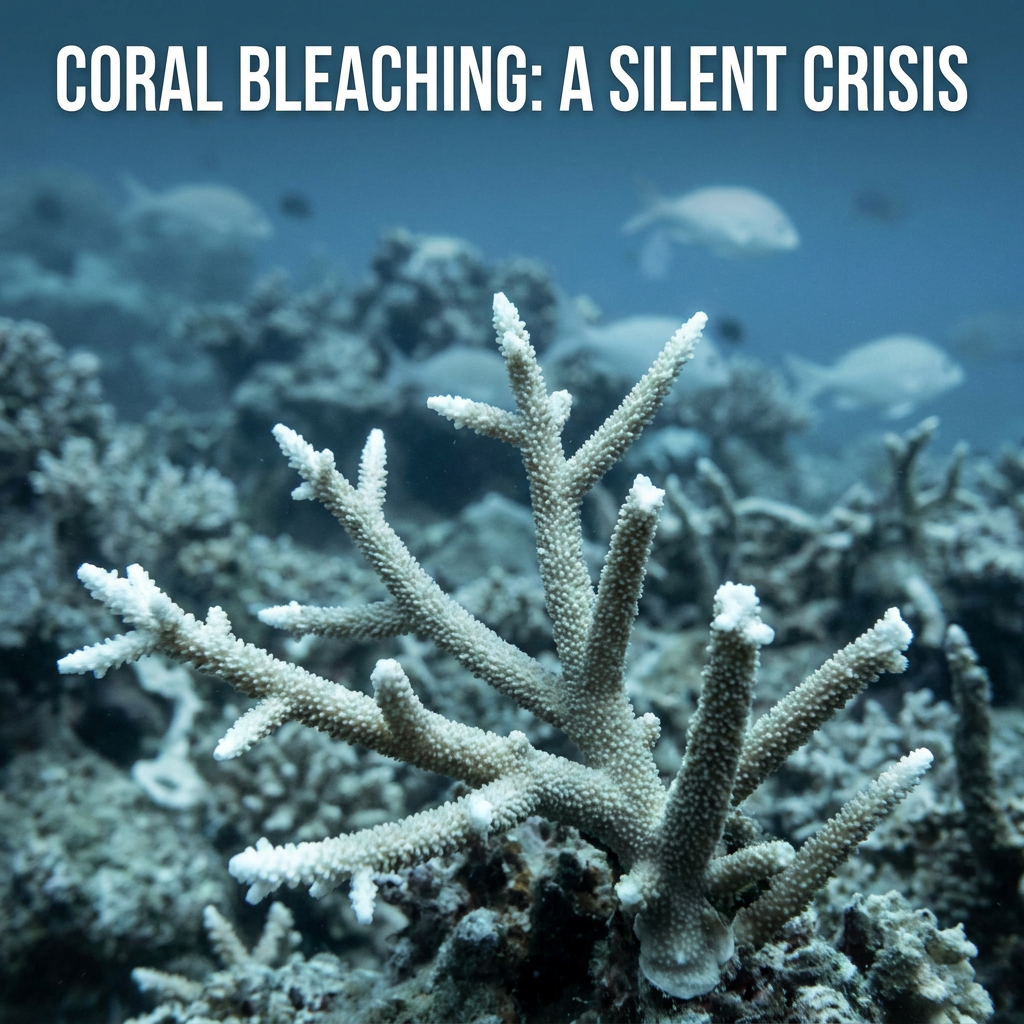
Coral bleaching is the visible loss of color in a coral, and the visible loss of color is the visible sign of a deeper physiological event: the coral is expelling its symbiotic zooxanthellae (the microscopic algae that live within the coral tissue and that provide the coral with the majority of its energy through photosynthesis). The bleaching is not the disease; the bleaching is the symptom. The bleaching is the sign that the coral is under stress, and the stress is the cause that needs to be identified and addressed. The coral that bleaches and is not rescued is the coral that dies within 2-4 weeks. The coral that bleaches and is rescued in time is the coral that recovers and that returns to its normal color within 2-6 months. In this article I will walk through what bleaching is at the physiological level, the causes of bleaching, the early identification, the response that produces the recovery, and the prevention that reduces the chance of the bleaching.
What bleaching is
Corals are animals (cnidarians, related to jellyfish and anemones) that have a symbiotic relationship with zooxanthellae, the microscopic algae that live within the coral tissue. The zooxanthellae are photosynthetic, and the zooxanthellae provide the coral with the glucose and the oxygen that the coral needs for the majority of its energy. The coral provides the zooxanthellae with the nitrogen, the phosphorus, and the shelter that the zooxanthellae need for their growth. The symbiosis is the foundation of the coral reef ecosystem, and the symbiosis is what allows the coral to thrive in the nutrient-poor tropical waters.
The bleaching is what happens when the coral is under stress and the coral expels the zooxanthellae. The zooxanthellae contain the pigments (the browns, the greens, the yellows, the pinks) that give the coral its color, and the expulsion of the zooxanthellae leaves the coral tissue looking white or pale. The white coral is not dead, but the white coral is starving (the coral is losing the energy source from the zooxanthellae), and the white coral is at high risk of dying within 2-4 weeks.
The bleaching can be partial or full. The partial bleaching (some areas of the coral are white, others are normal) is the early sign, and the partial bleaching is often recoverable. The full bleaching (the entire coral is white) is the late sign, and the full bleaching is more difficult to recover.
The causes of bleaching
The bleaching is caused by stress, and the stress has several possible sources. The most common:
Temperature. The most common cause of coral bleaching in both the wild and the reef tank. The elevated water temperature (above 82-84°F for the tropical corals, with the specific threshold depending on the coral species) causes the zooxanthellae to produce excess reactive oxygen species, and the reactive oxygen species trigger the coral to expel the zooxanthellae. The temperature stress can be acute (a sudden spike of 2-4°F) or chronic (a slow rise of 1-2°F over weeks). The chronic stress is often the more common cause in the reef tank, with the chiller failure or the seasonal temperature rise producing the chronic stress.
Lighting. The lighting that is too intense, or the lighting that changes too rapidly, can stress the coral and trigger the bleaching. The most common scenario is the introduction of a new coral to a tank with lighting that is more intense than the lighting the coral is acclimated to. The coral that is moved from a low-light tank to a high-light tank without a gradual acclimation is the coral that bleaches.
Water chemistry. The water chemistry that is off in any parameter (alkalinity, calcium, magnesium, pH, salinity, nitrate, phosphate) can stress the coral and trigger the bleaching. The most common scenario: the alkalinity swings (a sudden drop in alkalinity, or a sudden rise in alkalinity) from a dosing mistake, the calcium drop from a calcium reactor failure, the pH drop from a CO2 spike, or the salinity swing from a top-off mistake.
Pests or disease. The pests (the flatworms, the nudibranchs, the snails that eat coral) or the disease (the brown jelly disease, the white band disease, the rapid tissue necrosis) can stress the coral and trigger the bleaching. The bleaching is often a secondary sign of the pest or the disease, with the primary sign being the visible pest or the visible tissue damage.
Salinity or pH swings. The salinity swing (a sudden change of 2+ SG points) or the pH swing (a sudden change of 0.3+ pH units) can stress the coral and trigger the bleaching. The most common scenario: the top-off failure (the water level drops, the salinity rises, the water is then topped off with fresh water, the salinity crashes), or the CO2 injection into the room (the CO2 drops the pH of the tank water through gas exchange).
The early identification
The early identification is the difference between the recoverable bleaching and the unrecoverable bleaching. The signs to watch for, in order of severity:
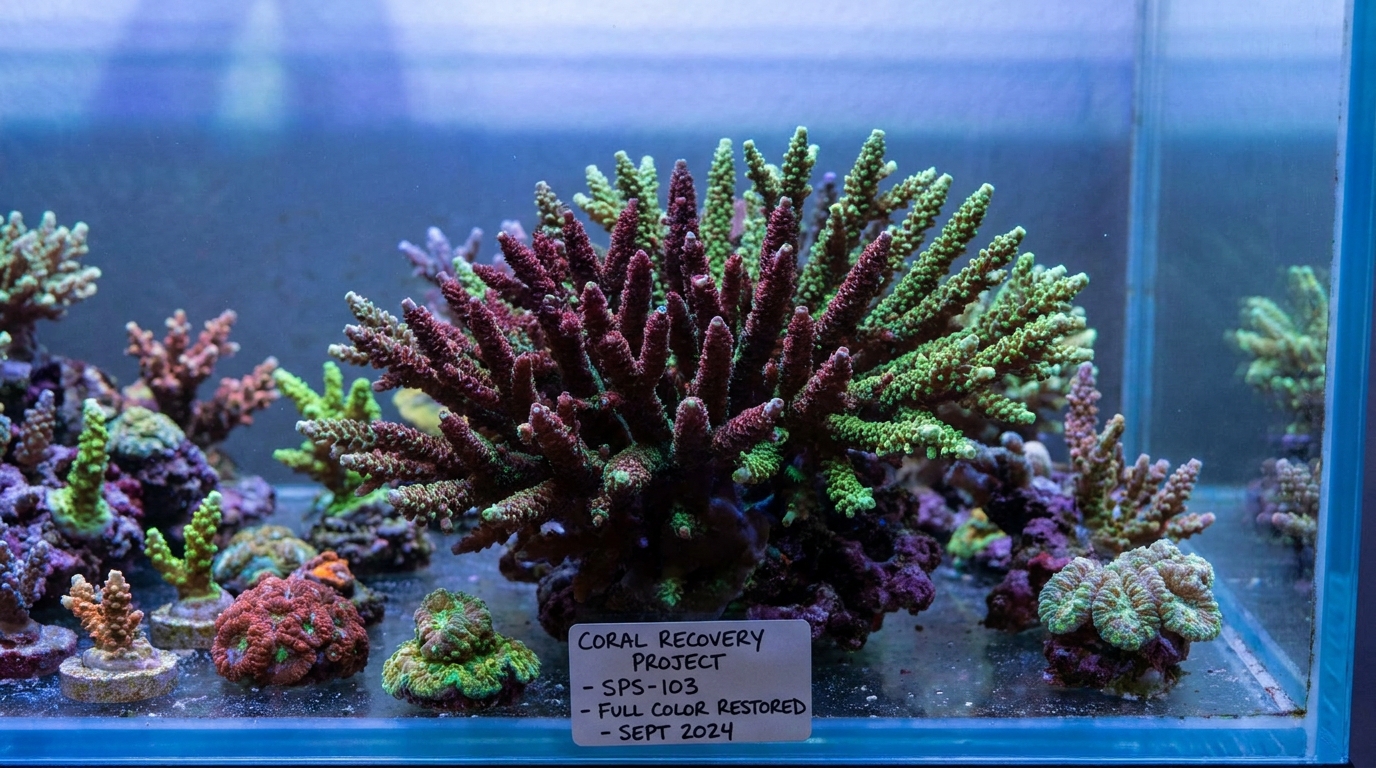
The paling: the coral's color is slightly less intense than usual. The brown coral is becoming light brown. The green coral is becoming pale green. The red coral is becoming pink. The paling is the early sign, and the paling is often only visible when the coral is compared to a photo of the same coral from a week or two earlier.
The tip bleaching: the tips of the SPS coral (Acropora, Montipora) are starting to lose color. The tip bleaching is the most common early sign in the SPS-dominated reef, and the tip bleaching is often a sign of the lighting stress or the alkalinity stress.
The patch bleaching: a patch of the coral is losing color, while the rest of the coral is normal. The patch bleaching is a sign of the localized stress, often from a pest, a disease, or a water chemistry issue in a specific area of the tank.
The full bleaching: the entire coral is white. The full bleaching is the late sign, and the full bleaching is the sign that the coral is in severe distress.
The response that produces the recovery
The response to the early signs: identify the cause and address the cause. The most common causes and the responses:
The temperature stress: turn off the lights, increase the surface agitation, turn on the chiller, add ice (in a plastic bag) to the sump to bring the temperature down. The goal is to bring the temperature back to 78-80°F within 1-2 hours. The temperature stress that is addressed within 2-4 hours of the onset is the temperature stress that has the best chance of recovery.
The lighting stress: reduce the photoperiod by 2-4 hours, reduce the intensity by 30-50%, raise the lights 2-4 inches above the water to reduce the intensity. The goal is to reduce the lighting stress within 1-2 hours. The lighting stress that is addressed quickly is the lighting stress that has the best chance of recovery.
The water chemistry stress: identify the parameter that is off, and correct the parameter. The alkalinity correction: bring the alkalinity back to 8-9 dKH, slowly (no more than 1 dKH per hour). The calcium correction: bring the calcium back to 420-450 ppm, slowly. The pH correction: bring the pH back to 8.1-8.3, slowly. The salinity correction: bring the salinity back to 1.025-1.026, slowly. The slow correction is essential; the rapid correction is more stressful than the original problem.
The pest or disease: identify the pest or the disease, and treat with the appropriate intervention. The flatworm treatment: a flatworm-specific medication. The nudibranch treatment: manual removal with a turkey baster. The brown jelly treatment: increase the flow, increase the water changes, and consider an antibiotic treatment.
The prevention
The prevention is the routine maintenance that keeps the parameters stable. The prevention:
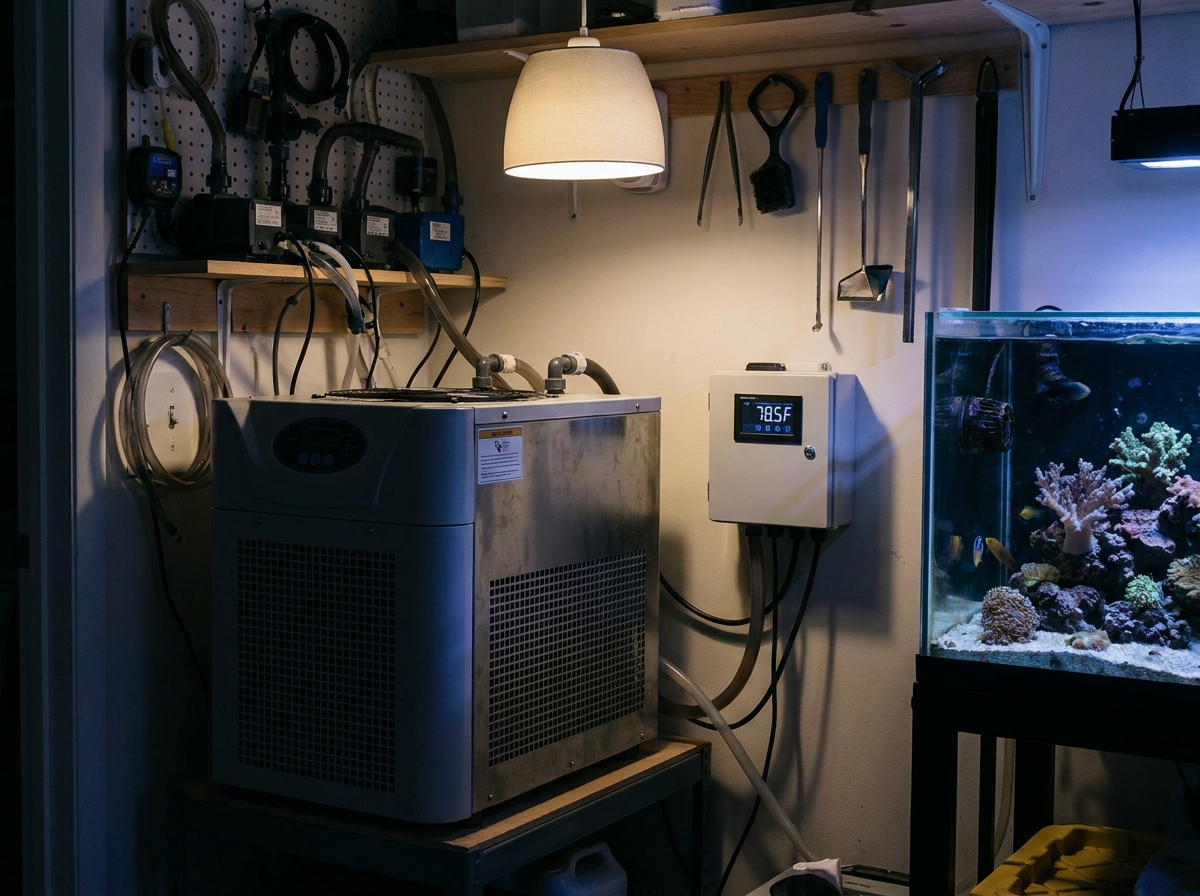
- Temperature control. The chiller, the fan, the heater, the temperature controller — the equipment that keeps the temperature in the 78-80°F range. The temperature controller with the redundant heater and the redundant chiller is the safety net for the power outage or the equipment failure.
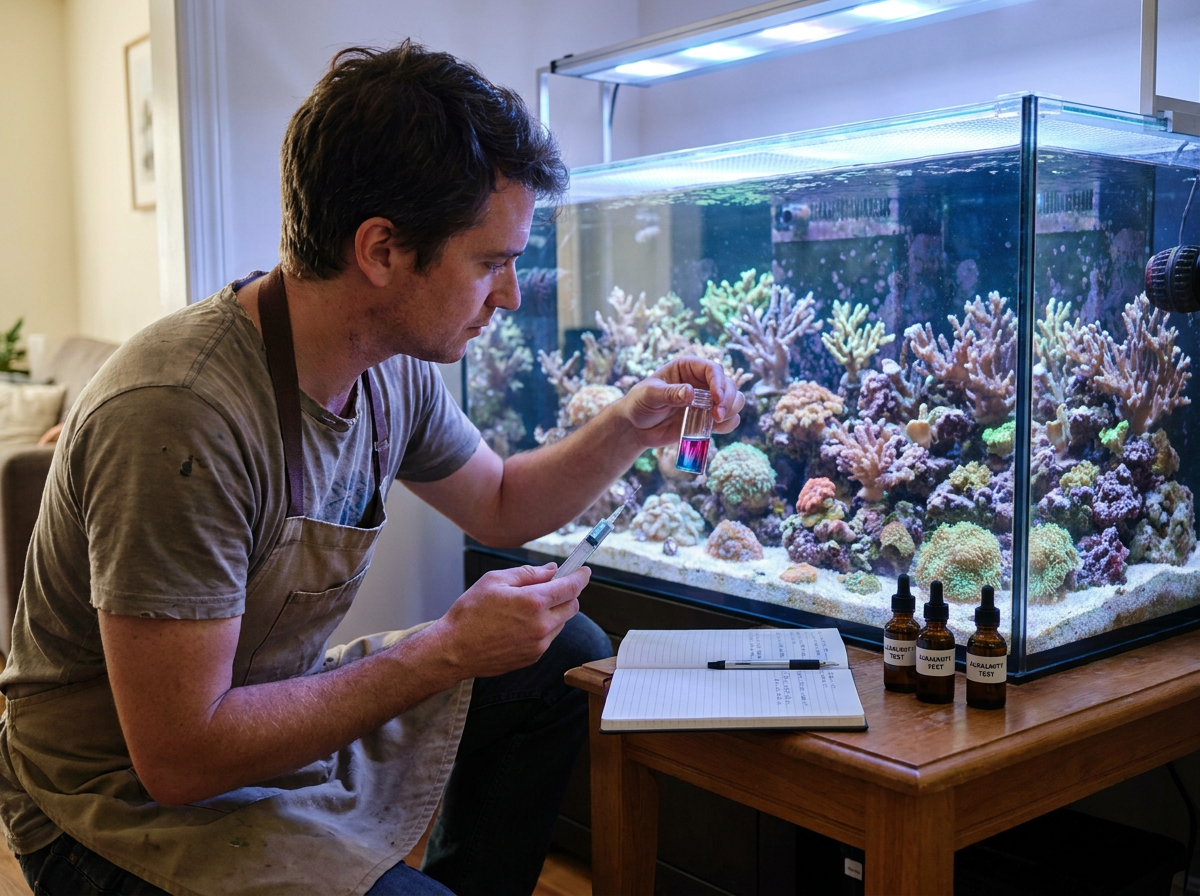
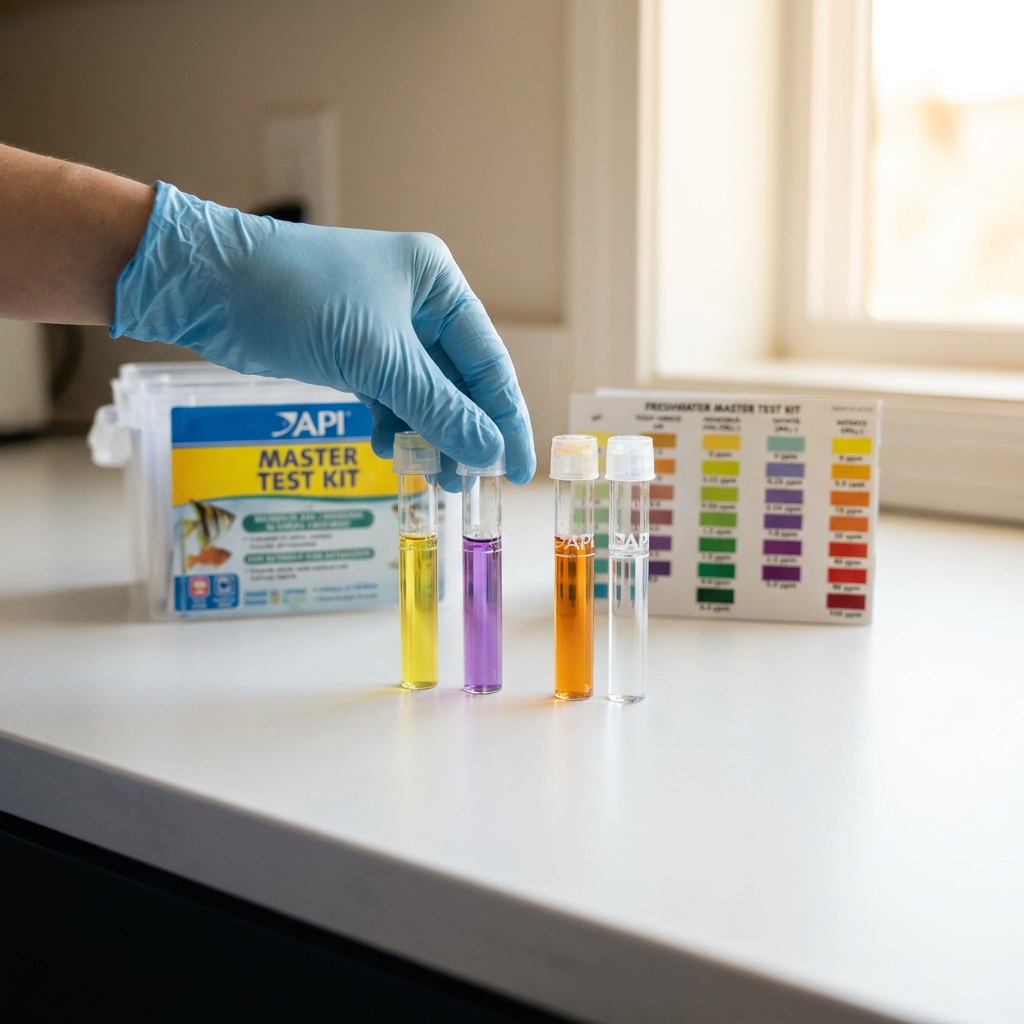
- Parameter stability. The alkalinity, the calcium, the magnesium, the pH, the salinity, the nitrate, the phosphate — all of these parameters should be tested regularly and adjusted as needed. The two-part dosing system (for the alkalinity and the calcium) and the auto top-off (for the salinity) are the tools that keep the parameters stable.
- Acclimation. The new coral is acclimated to the lighting and the water chemistry of the new tank. The acclimation protocol: place the coral on a low-light area of the tank for 1-2 weeks, gradually move the coral to the target location, and increase the light exposure by 1-2 hours per day.
- Quarantine. The new coral is quarantined for 2-4 weeks before being placed in the display tank. The quarantine allows the owner to inspect the coral for pests and to treat the pests before the pests are introduced to the display tank.
- Pest management. The pest management protocol: regular inspection of the corals, manual removal of the visible pests, and the use of the pest-specific treatments as needed.
The honest summary
Coral bleaching is the visible sign of the coral under stress, and the bleaching is the symptom, not the cause. The cause is the temperature, the lighting, the water chemistry, the pests, or the salinity/pH swings, and the response is to identify the cause and to address the cause. The early identification is the difference between the recoverable bleaching and the unrecoverable bleaching. The prevention is the routine maintenance that keeps the parameters stable and the corals healthy. The reefer who knows the bleaching is the reefer who can rescue the coral. The reefer who does not know the bleaching is the reefer who loses the coral. The knowledge is the work. The knowledge is what saves the coral.