
Live rock: selection, curing, and placement in a reef tank
Live rock is the biological foundation of a reef tank. The live rock is not just decoration; the live rock is the substrate for the beneficial bacteria, the home for the coralline algae and the macroalgae, the anchor for the corals, and the structure that defines the aquascape. The live rock is also the source of the initial bacterial population, the source of the initial coralline algae, the source of the initial microfauna, and the source of the initial biodiversity. The reef tank that is built on high-quality live rock, properly cured, properly placed, is the reef tank that cycles quickly, that stabilizes quickly, and that supports a diverse coral population. The reef tank that is built on low-quality rock, or on uncured rock, is the reef tank that cycles slowly, that has algae blooms, and that supports a limited coral population. In this article I will walk through the selection of the live rock, the curing process, the placement, and the mistakes that the most common reef-keeping mistakes involve.
The selection: what makes a good live rock
The live rock is selected based on three characteristics: the source, the porosity, and the biodiversity.
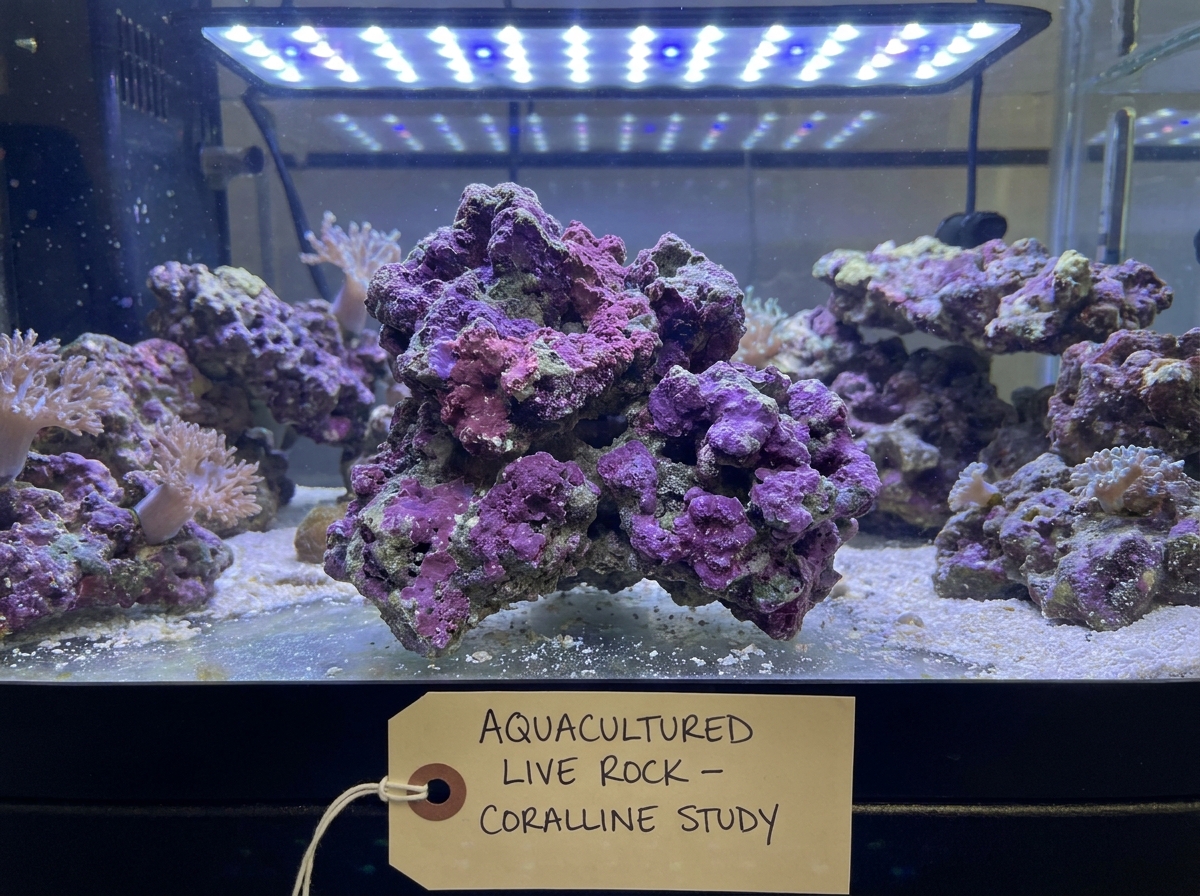
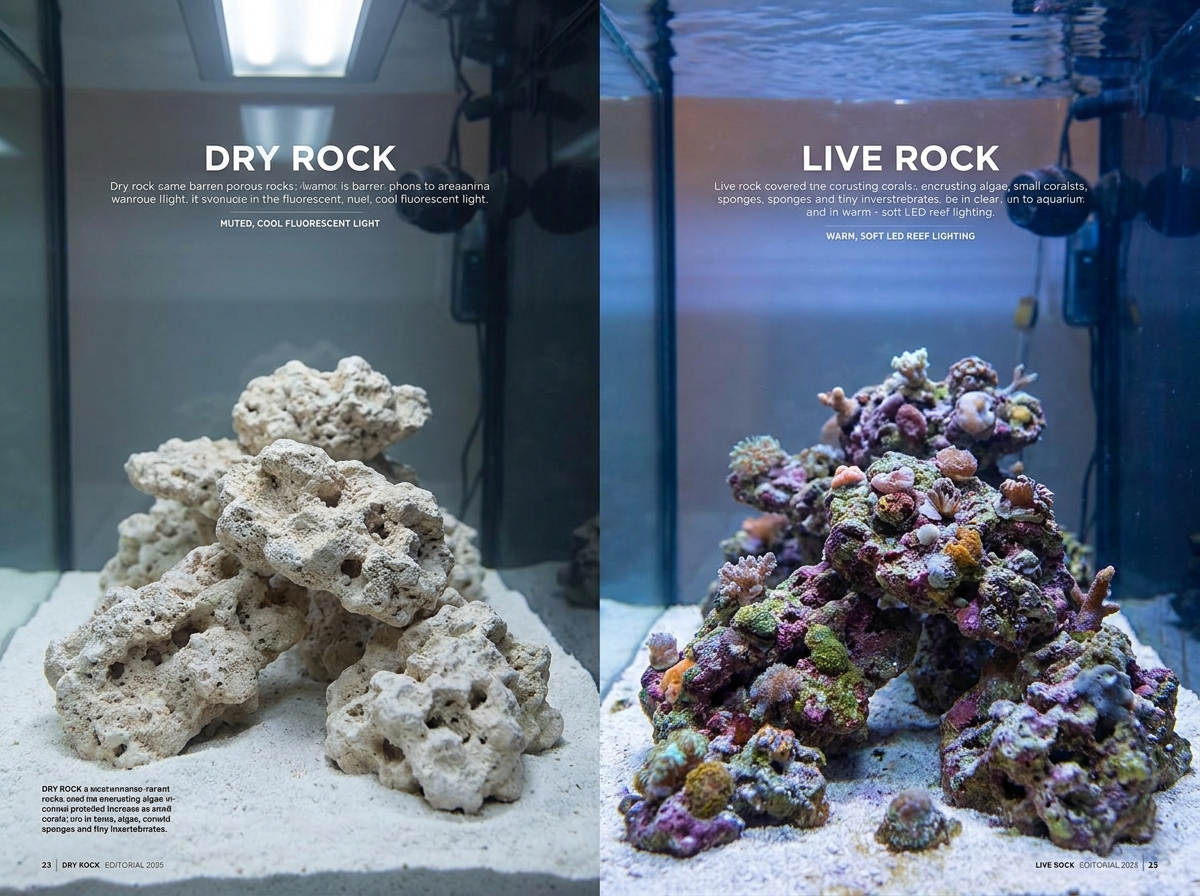
The source: the live rock comes from one of three sources. The first source is the ocean-harvested rock from the Caribbean, the Indo-Pacific, or the other reef regions. The ocean-harvested rock is the most biologically diverse, with the most established bacterial population, the most coralline algae, and the most microfauna. The ocean-harvested rock is also the most expensive and the most variable in quality. The second source is the aquacultured rock, which is man-made rock (typically aragonite-based) that has been placed in the ocean for 6-24 months to seed the rock with the biological organisms. The aquacultured rock is more consistent in quality, less expensive, and less variable in porosity. The third source is the dry rock (also called "dead rock" or "base rock"), which is aragonite rock that has not been seeded with biological organisms. The dry rock is the least expensive, the cleanest, and the most consistent in porosity, but the dry rock has no established biological population and must be cycled from scratch.
The porosity: the live rock with high porosity (lots of holes, channels, and surface area) is the better rock. The high porosity provides more surface area for the beneficial bacteria, more hiding places for the microfauna, and more anchor points for the corals. The low porosity rock (dense, smooth) provides less surface area and less biological capacity.
The biodiversity: the live rock that has the most established biological population is the better rock. The biodiversity is visible in the coralline algae (the pink, purple, or red encrusting algae), the macroalgae (the green, brown, or red hair-like algae), and the microfauna (the copepods, amphipods, and other small crustaceans that the reefer sees when the rock is moved). The rock that has all three is the rock that has the most established ecosystem.
The curing process
The curing is the process of removing the dead organic material from the live rock before the rock is placed in the reef tank. The ocean-harvested rock and the aquacultured rock both have dead organic material (dead sponges, dead algae, dead coral) that will decompose in the reef tank, producing ammonia, nitrite, and phosphate. The curing removes the dead material before the rock is placed in the tank, preventing the ammonia spike that can kill the livestock.
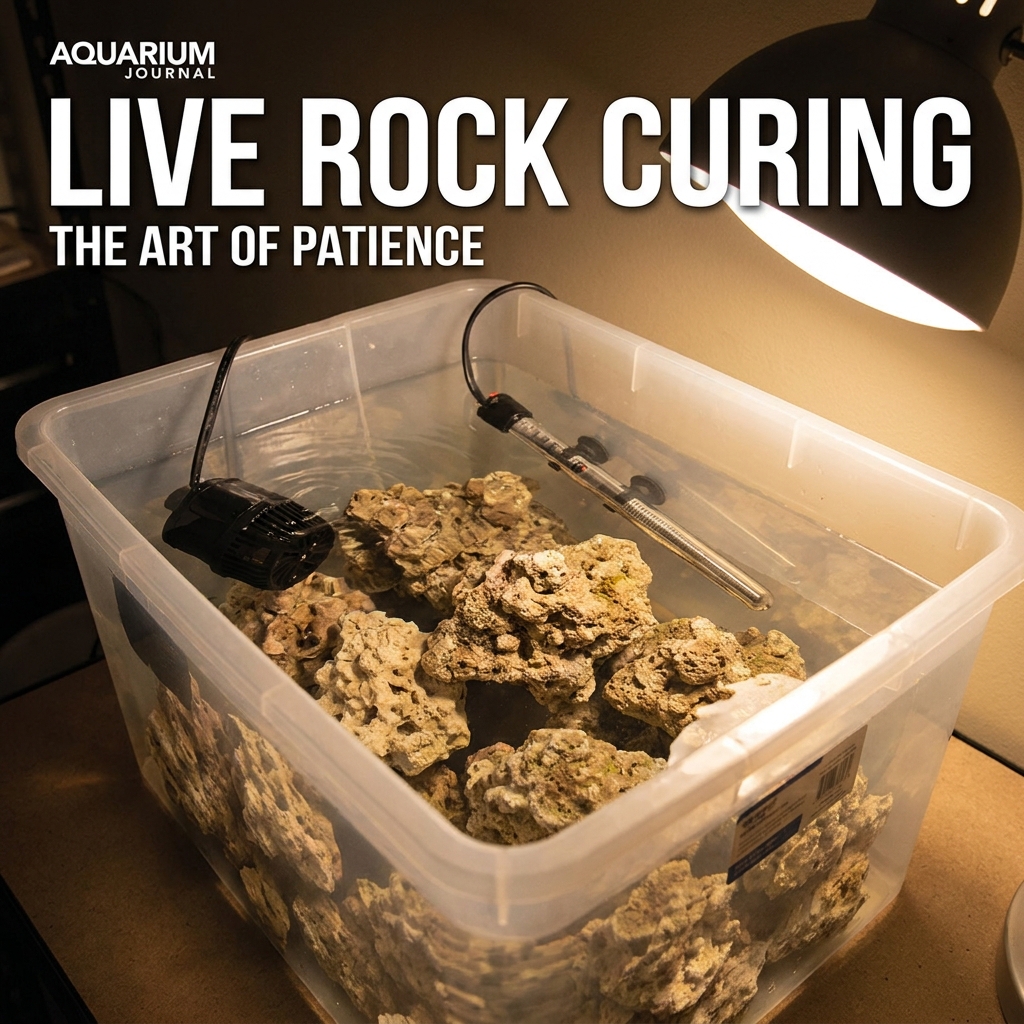
The curing protocol: the rock is placed in a separate container (a plastic trash can, a Rubbermaid tub, or a dedicated curing tank) with a heater, a powerhead for circulation, and a small amount of lighting. The rock is left in the container for 2-4 weeks, with daily water changes (50-100%) and the removal of the visible dead material. The water in the curing container will be foul for the first 1-2 weeks, with the ammonia and the nitrite spiking. The water will clear in 2-4 weeks, and the rock is then ready to be placed in the reef tank.
The curing with the lighting: the lighting during the curing encourages the growth of the coralline algae and the macroalgae, which are the beneficial organisms that the rock will bring to the reef tank. The lighting should be moderate (not intense, not dark), with a photoperiod of 8-12 hours per day.
The curing with the bacteria: the addition of a bacterial supplement (a commercial live bacteria product or a small amount of established live rock from a friend's tank) can accelerate the curing and can introduce the beneficial bacteria that the reef tank will need. The addition is optional but can speed up the cycling of the reef tank by 2-4 weeks.
The placement: the structure of the reef
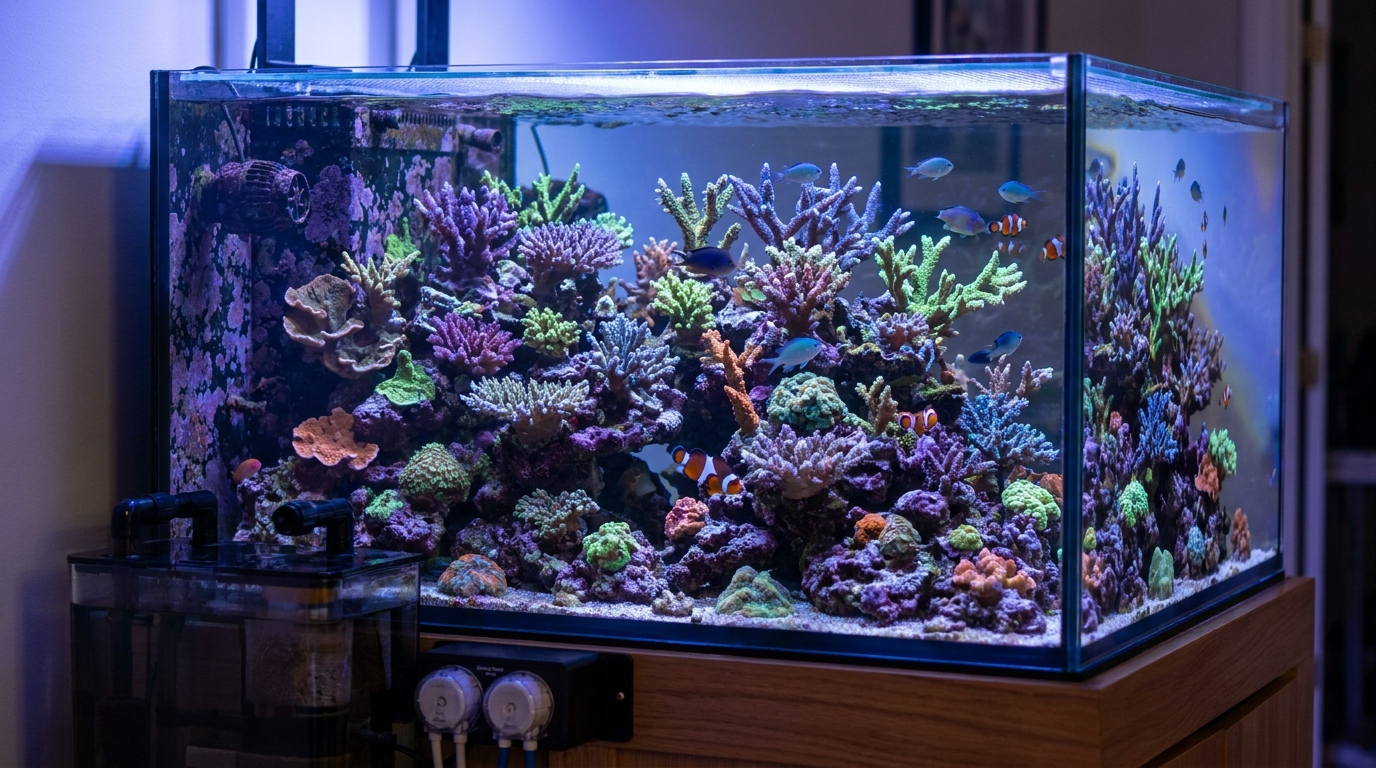
The placement of the live rock is the design of the reef aquascape. The placement should follow the three-depth principle (foreground, mid-ground, background) and the rule of thirds (the highest peak at a rule-of-thirds intersection, not in the center).
The foundation rocks: the largest, flattest rocks are placed on the bottom of the tank, on the substrate, against the back glass. The foundation rocks provide the stability for the rest of the structure. The foundation rocks should be touching the back glass for stability, and the foundation rocks should be touching each other for stability.
The background rocks: the rocks are stacked on the foundation rocks, leaning against the back glass, forming the back wall. The background rocks provide the visual support and the back-wall habitat for the corals. The background rocks should be tall, narrow, and connected to the foundation and to each other.
The mid-ground rocks: the rocks are placed in the middle of the tank, on the foundation and on the background rocks, with the highest peak at a rule-of-thirds intersection. The mid-ground rocks are the body of the aquascape, and the mid-ground rocks are the most numerous, the most varied in shape, and the most carefully placed.
The foreground rocks: the smaller, lower rocks are placed at the front of the tank, partially buried in the substrate. The foreground rocks are the leading edge, and the foreground rocks should be visually interesting but not dominant.
The negative space: the placement should also consider the negative space — the open water, the swimming space for the fish, the visual rest. The reef tank that is packed with rock is the reef tank that has no swimming space and no visual rest. The reef tank with the right amount of negative space is the reef tank that is visually balanced.
The cycling after placement
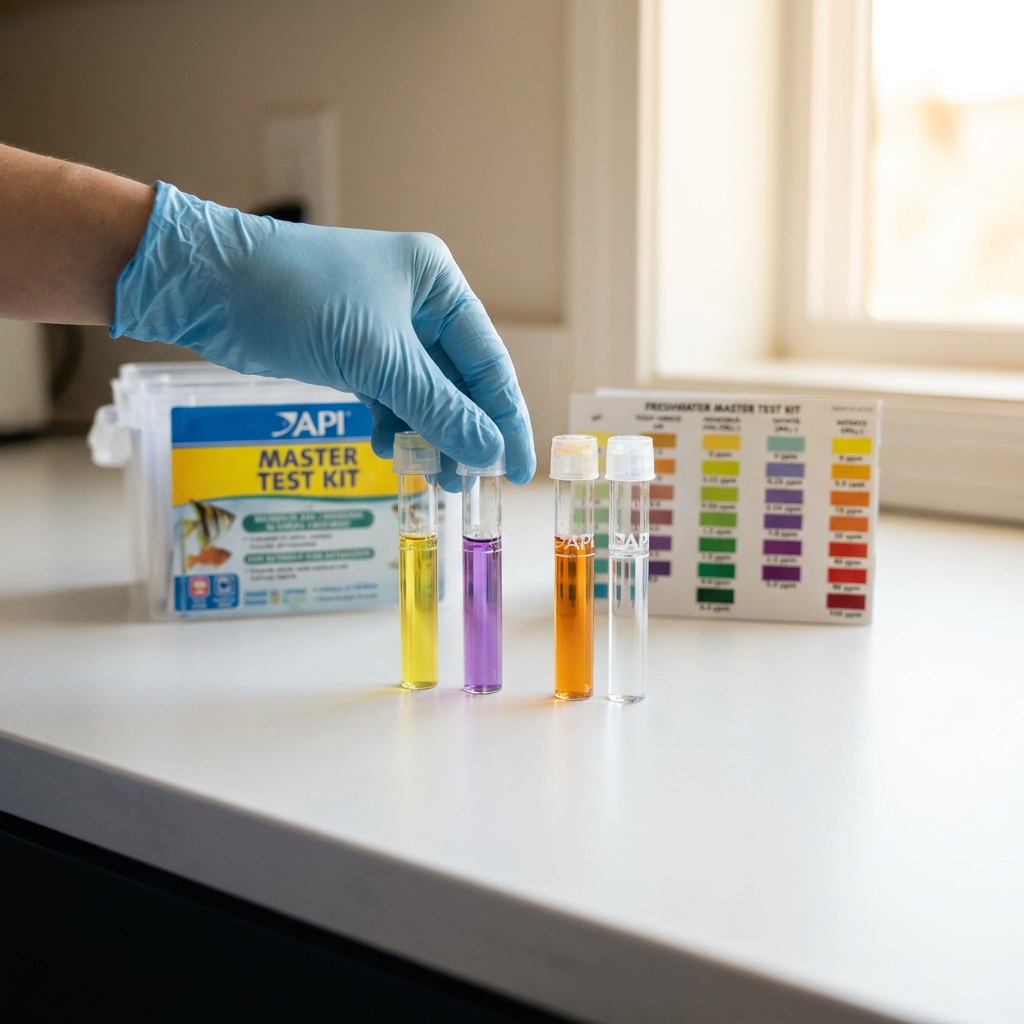
The reef tank cycles for 4-6 weeks after the live rock is placed, regardless of whether the rock was cured or not. The curing reduces the initial ammonia spike, but the cycling is still required to establish the bacterial population in the filter and on the rock. The cycling protocol: the tank is run with the lights on a normal photoperiod, the protein skimmer is running, the flow is normal, but no livestock is added. The water is tested for ammonia, nitrite, and nitrate every 2-3 days. The ammonia spikes in week 1-2, the nitrite spikes in week 2-3, and the nitrate rises in week 3-4. The cycle is complete when the ammonia and the nitrite are both 0 ppm and the nitrate is below 20 ppm.
The addition of the cleanup crew (snails, hermit crabs, sand-sifting stars) can begin once the ammonia and the nitrite are 0. The addition of the fish can begin 1-2 weeks after the cleanup crew, once the parameters are stable. The addition of the corals can begin 4-6 weeks after the cycling is complete, once the parameters are stable and the coralline algae is established on the rock.
The mistakes
The first mistake: the uncured rock. The rock that is placed in the reef tank without curing is the rock that produces the ammonia spike that kills the livestock. The fix: cure the rock for 2-4 weeks before placing it in the reef tank.
The second mistake: the low-quality rock. The rock that is dense, smooth, and has no porosity is the rock that does not support the biological population. The fix: choose the high-porosity, high-biodiversity rock.
The third mistake: the unstable rock. The rock that is not physically connected to the foundation and to the back glass is the rock that can shift and crush the corals. The fix: epoxy or rock-safe cyanoacrylate to connect the rocks, with the foundation against the back glass.
The fourth mistake: the over-stocked rock. The reef tank that is packed with rock is the reef tank that has no swimming space. The fix: 1-1.5 pounds of rock per gallon of tank water, with the rule of thirds and the three-depth principle.
The honest summary
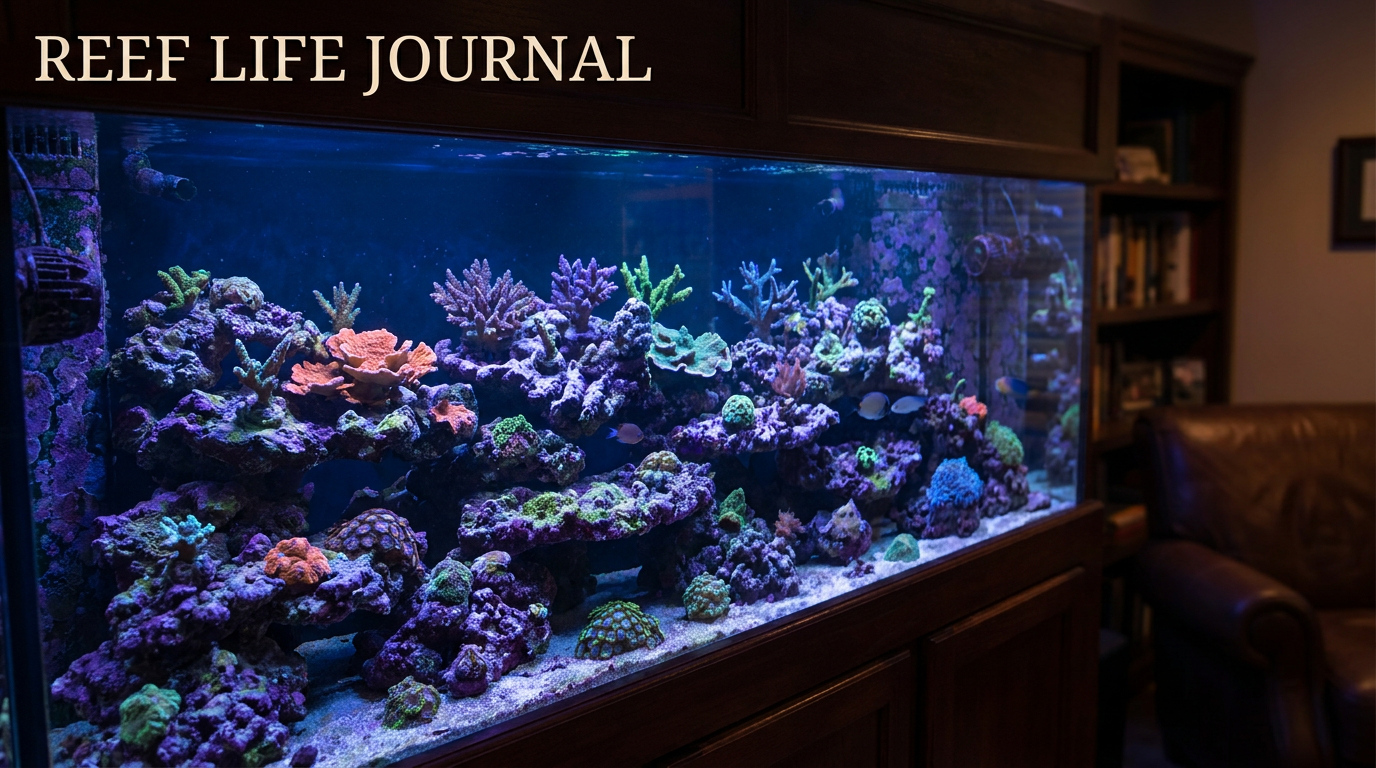
The live rock is the foundation of the reef tank. The selection of high-quality rock, the proper curing, the thoughtful placement, and the patient cycling are the four decisions that determine whether the reef tank thrives. The reef keeper who makes the right decisions on all four is the reef keeper who has a stable, beautiful, low-maintenance reef tank. The reef keeper who makes the wrong decision on any one is the reef keeper who has problems for years. The rock is the foundation. The foundation is what makes the difference.