
Glofish and transgenic ornamentals: the market, the science, and the ethics
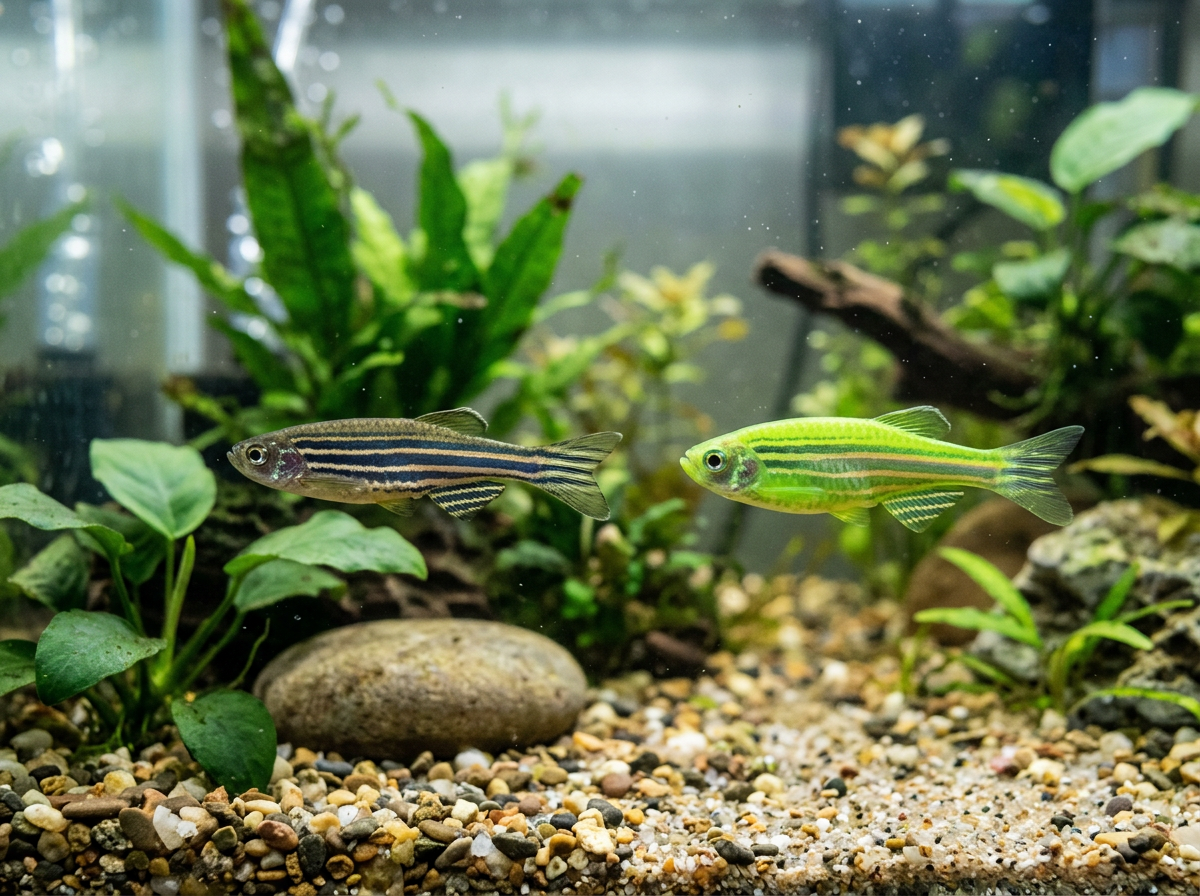
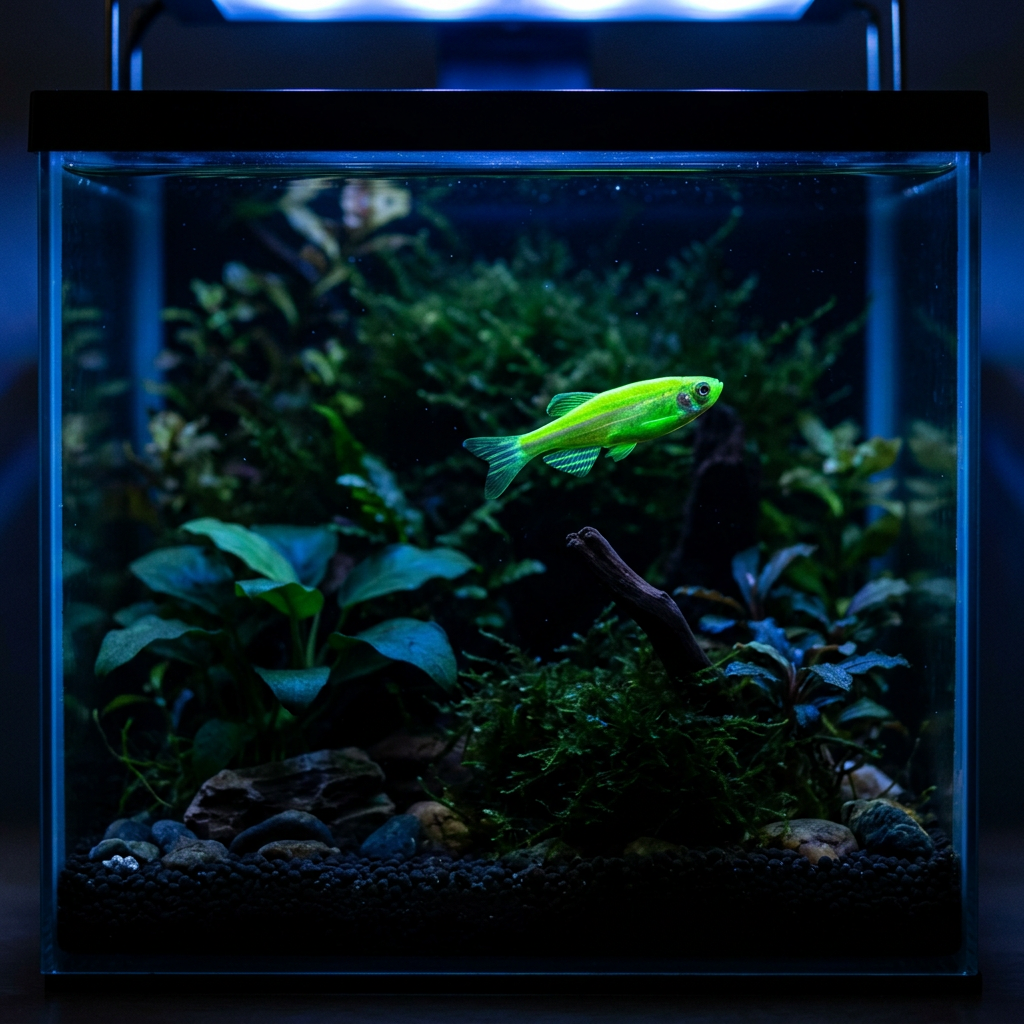
The Glofish is the first commercially available transgenic pet animal. The Glofish is a zebrafish (Danio rerio) that has been genetically modified to express fluorescent proteins from jellyfish or coral, and the Glofish glows under blue or UV light. The Glofish was originally developed as a bioindicator for environmental pollution, but the Glofish was commercialized as an ornamental fish in 2003 in the United States, and the Glofish has since expanded to include tetras, barbs, danios, and sharks. The Glofish is now a multi-million dollar market, and the Glofish has raised significant ethical questions about the commercialization of genetically modified animals. In this article I will walk through the science of the Glofish, the market, the regulatory environment, the ethical debates, and the practical considerations for the hobbyist who is interested in the Glofish.
The science: how the Glofish is made
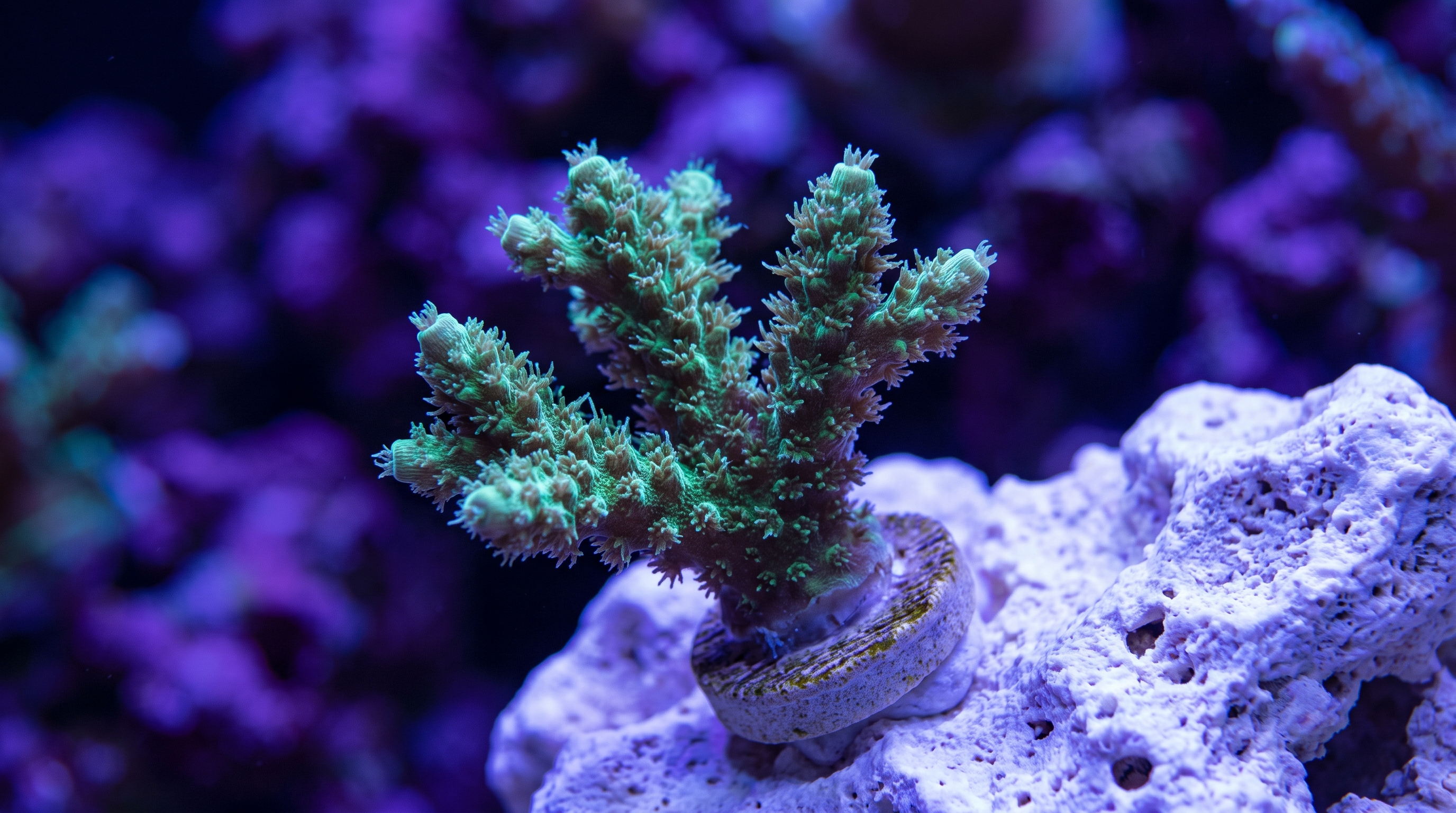
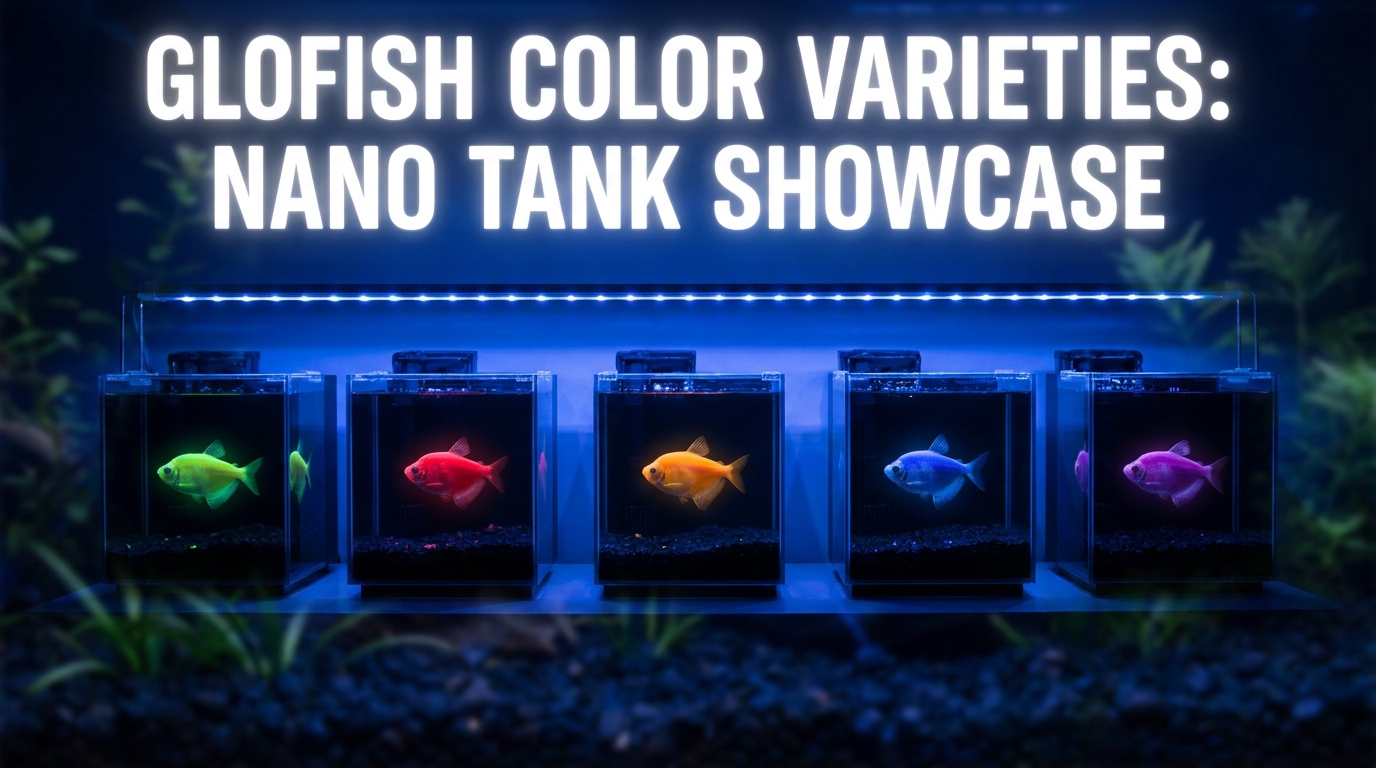
The Glofish is made by inserting a gene for a fluorescent protein (originally from the jellyfish Aequorea victoria, the green fluorescent protein, or GFP) into the genome of the zebrafish. The gene is inserted at the embryonic stage, and the gene is integrated into the genome of the offspring. The offspring that carry the gene express the fluorescent protein in their cells, and the offspring glow under the appropriate light. The original Glofish was the green fluorescent zebrafish, and the technology has been extended to produce red fluorescent tetras (with the Discosoma coral gene), orange fluorescent tetras, blue fluorescent tetras, purple fluorescent danios, and pink fluorescent sharks.
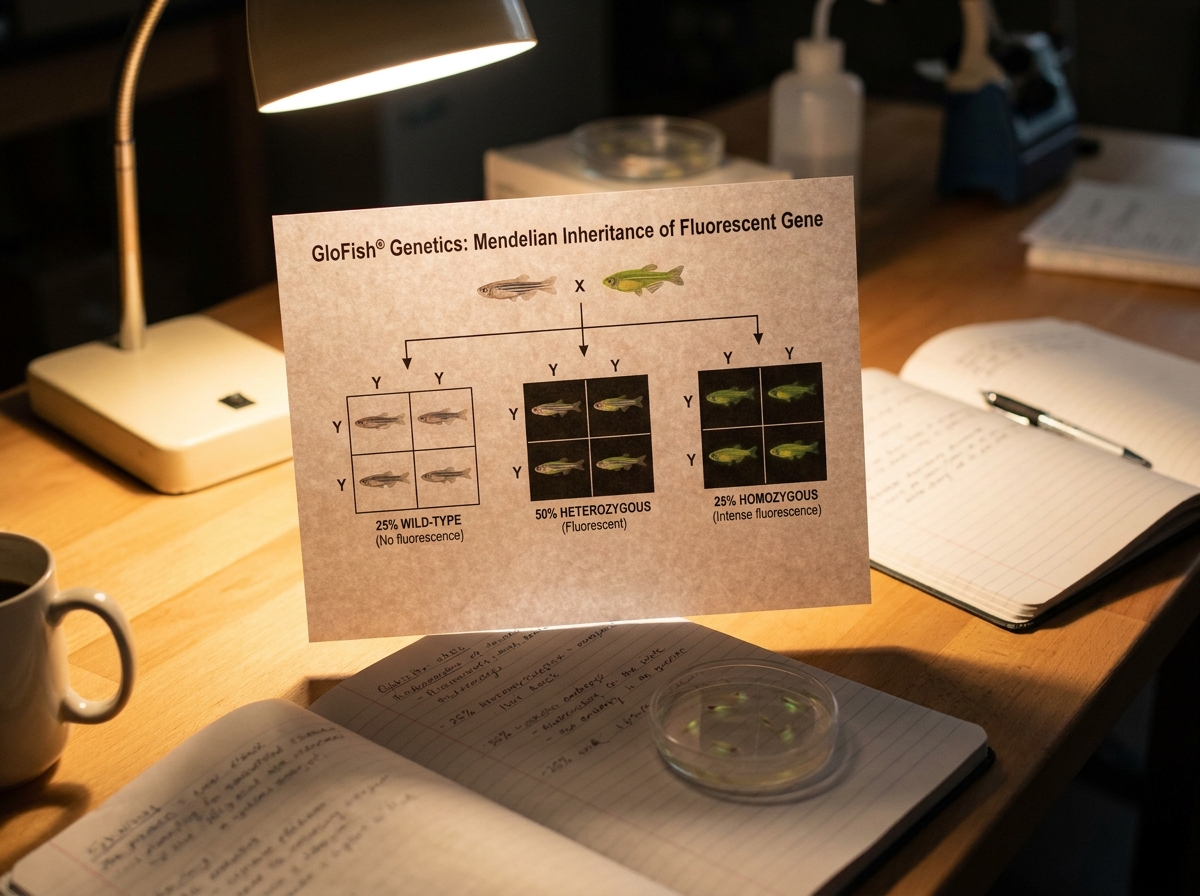
The genetics: the fluorescent gene is inherited in a Mendelian fashion. The heterozygous Glofish (one copy of the gene) glows brightly, and the homozygous Glofish (two copies of the gene) glows even more brightly. The breeding of two heterozygous Glofish produces 25% wild-type offspring, 50% heterozygous Glofish, and 25% homozygous Glofish. The homozygous Glofish is the most fluorescent, and the homozygous Glofish is the most valuable in the market.
The fluorescent protein: the protein is not toxic to the fish, the protein is expressed in all of the fish's cells (not just specific tissues), and the protein is stable for the life of the fish. The fish that has the gene is the fish that glows for the fish's entire life. The fluorescence is not visible under normal aquarium lighting (the fish looks like a regular fish under white light), and the fluorescence is visible under blue or UV lighting.
The market: the commercial success and the commercial limitations
The commercial success: the Glofish has been a major commercial success, with annual sales in the United States estimated at $50-100 million. The Glofish is sold in pet stores, in big-box retailers, and online. The Glofish has been particularly popular with the entry-level hobbyist, with the families with children, and with the educational market (the Glofish is used in many biology classrooms to teach genetics).
The commercial limitations: the Glofish is a niche product, and the Glofish is not a mass-market product like the regular zebrafish. The Glofish is also limited in the number of species available (only a few species have been commercialized, and the species that have been commercialized are limited to the smaller, hardy species). The Glofish is also limited in the number of colors (the four main colors plus a few additional colors from breeding combinations).
The intellectual property: the Glofish is a patented product, and the breeding of the Glofish for commercial purposes is restricted. The hobbyist who breeds the Glofish at home for personal use is generally allowed, but the hobbyist who sells the Glofish offspring may be in violation of the patent. The hobbyist who is interested in breeding the Glofish should understand the IP restrictions.
The regulatory environment
The Glofish is regulated in the United States by the FDA's Center for Veterinary Medicine (CVM), which oversees the safety of genetically modified animals. The CVM reviewed the Glofish and determined that the Glofish is safe for the fish, for the environment, and for human consumption (although the Glofish is not intended for human consumption). The CVM's approval allowed the commercialization of the Glofish in the United States.
The Glofish is regulated differently in different countries. The European Union has a more restrictive regulatory environment for genetically modified animals, and the Glofish is not commercially available in most of the EU. The Glofish is also restricted in some other countries (Canada allows the Glofish, but with restrictions; Australia has not allowed the Glofish; Japan allows the Glofish under specific conditions).
The release into the wild: the Glofish is a tropical freshwater fish, and the Glofish cannot survive in most temperate climates. The release of the Glofish into the wild in the United States is unlikely to result in an established population. The release in tropical climates (Florida, Hawaii, the Caribbean) is more concerning, and the Glofish is regulated in these regions to prevent the release.
The ethical debates
The pro-Glofish arguments: the Glofish is a safe, non-toxic addition to the ornamental fish market. The Glofish does not introduce a new species or a new pathogen. The Glofish is a captive-bred fish that cannot survive in the wild in most climates. The Glofish is a useful educational tool, and the Glofish has introduced a generation of children to the science of genetics. The Glofish has also generated revenue that supports the ornamental fish industry.
The anti-Glofish arguments: the Glofish is an unnecessary manipulation of an animal for purely aesthetic purposes. The Glofish normalizes the genetic modification of animals, and the Glofish is a slippery slope toward more invasive modifications. The Glofish has unknown long-term health effects, and the Glofish is not studied in the long term. The Glofish is a product of the bioindicator research that has been diverted from its original purpose, and the diversion of the research raises questions about the priorities of the biotech industry.
The middle-ground arguments: the Glofish is a useful tool for education, and the Glofish has introduced many people to the science of genetics. The Glofish is a captive-bred fish that is not invasive in most climates. The Glofish is not a threat to the environment, and the Glofish is a low-risk addition to the hobby. The ethical concerns are real, but the concerns should be addressed through regulation and through research, not through banning.
The practical considerations for the hobbyist
The hobbyist who is interested in the Glofish should consider the following: the Glofish is more expensive than the regular zebrafish (the Glofish is typically $5-15 per fish, compared to $1-3 for the regular zebrafish). The Glofish is a tropical fish that requires the same care as the regular zebrafish (heated tank, filtered water, varied diet). The Glofish is best displayed under blue or UV lighting, which is typically sold as part of the Glofish kit. The Glofish is a schooling fish, and the Glofish should be kept in groups of at least 5. The Glofish breeds readily in captivity, and the offspring of two Glofish are a mix of Glofish and wild-type (the genetics are Mendelian).
The hobbyist who is breeding the Glofish for personal use is generally allowed, but the hobbyist who is selling the Glofish offspring should be aware of the IP restrictions. The hobbyist who is concerned about the ethics of the Glofish can avoid the Glofish and can choose a non-modified species. The hobbyist who is not concerned about the ethics can enjoy the Glofish as an interesting addition to the hobby.
The honest summary
The Glofish is a transgenic ornamental fish that has been a commercial success. The science is real and well-established, the market is real and growing, and the ethical debates are real and ongoing. The hobbyist who is interested in the Glofish can enjoy the fish while understanding the science, the regulations, and the ethics. The hobbyist who is not interested can avoid the Glofish and can choose from the many non-modified ornamental species. The Glofish is a tool, not a necessity. The tool is what the hobbyist makes of it.