
Seizures at home: what to do during, what to do after, and when to go to the ER
The pet that is having a seizure is the pet that the owner is afraid of. The pet that is paddling on its side, the pet that is vocalizing, the pet that is losing control of its bladder and bowels — these are the pets that the owner does not know how to help. The owner who does not know the seizure protocol is the owner who panics, who puts the pet in danger by trying to restrain it or move it, and who does not know when the seizure is an emergency. The owner who knows the protocol is the owner who stays calm, who protects the pet, who times the seizure, and who knows the emergency rules. In this article I will walk through what a seizure is, what to do during the seizure, what to do after the seizure, the emergency rules, and the prevention that reduces the seizure frequency.
What a seizure is
A seizure is a sudden, uncontrolled electrical disturbance in the brain that produces a range of clinical signs. The signs can be as subtle as a brief staring spell (a "focal" or "partial" seizure) or as dramatic as the pet falling on its side, paddling its legs, vocalizing, losing consciousness, and losing control of its bladder and bowels (a "generalized" seizure). The seizure typically lasts 30 seconds to 3 minutes, with the pet recovering over a period of minutes to hours.
The causes of seizures in pets: idiopathic epilepsy (the most common cause in dogs, with no identifiable underlying cause), structural brain disease (brain tumor, brain inflammation, brain malformation, often in older pets), metabolic disease (liver disease, kidney disease, low blood sugar, often in older pets or pets with other medical conditions), toxin exposure (chocolate, xylitol, organophosphates, certain medications), and infection (distemper, rabies, fungal infections).
The distinction matters because the treatment and the prognosis are different. The dog with idiopathic epilepsy is managed with long-term medication and has a good prognosis. The dog with a brain tumor is treated with surgery, radiation, or palliative care and has a more guarded prognosis. The owner who knows the cause of the seizure is the owner who knows what to expect.
What to do during the seizure
The steps to follow during the seizure, in order:
Step 1: stay calm. The pet that is having a seizure is the pet that does not need an excited owner. The owner who is panicking makes the situation worse. The owner who stays calm is the owner who can think, who can protect the pet, and who can time the seizure.
Step 2: clear the area. The pet that is having a seizure is the pet that can injure itself on the furniture, the corners, the stairs, the water bowl. The owner should move the furniture away from the pet, block access to the stairs, and clear the area of any other hazards. The pet that has a clear area is the pet that does not injure itself during the seizure.
Step 3: do not restrain the pet. The pet that is having a seizure is the pet that is in an uncontrolled motor state, and the pet that is restrained is the pet that can injure the owner (the pet can bite during the seizure) and the pet that can injure itself (the pet can fight against the restraint). The fix: do not restrain. Let the seizure run its course.
Step 4: do not put anything in the Pet's mouth. Despite the widespread myth, the pet that is having a seizure does not swallow its tongue. The pet that has something in its mouth (a stick, a wallet, a hand) is the pet that can choke on the object, that can bite the owner, and that can damage its own teeth. The fix: do not put anything in the mouth. Let the pet's mouth be open or closed on its own.
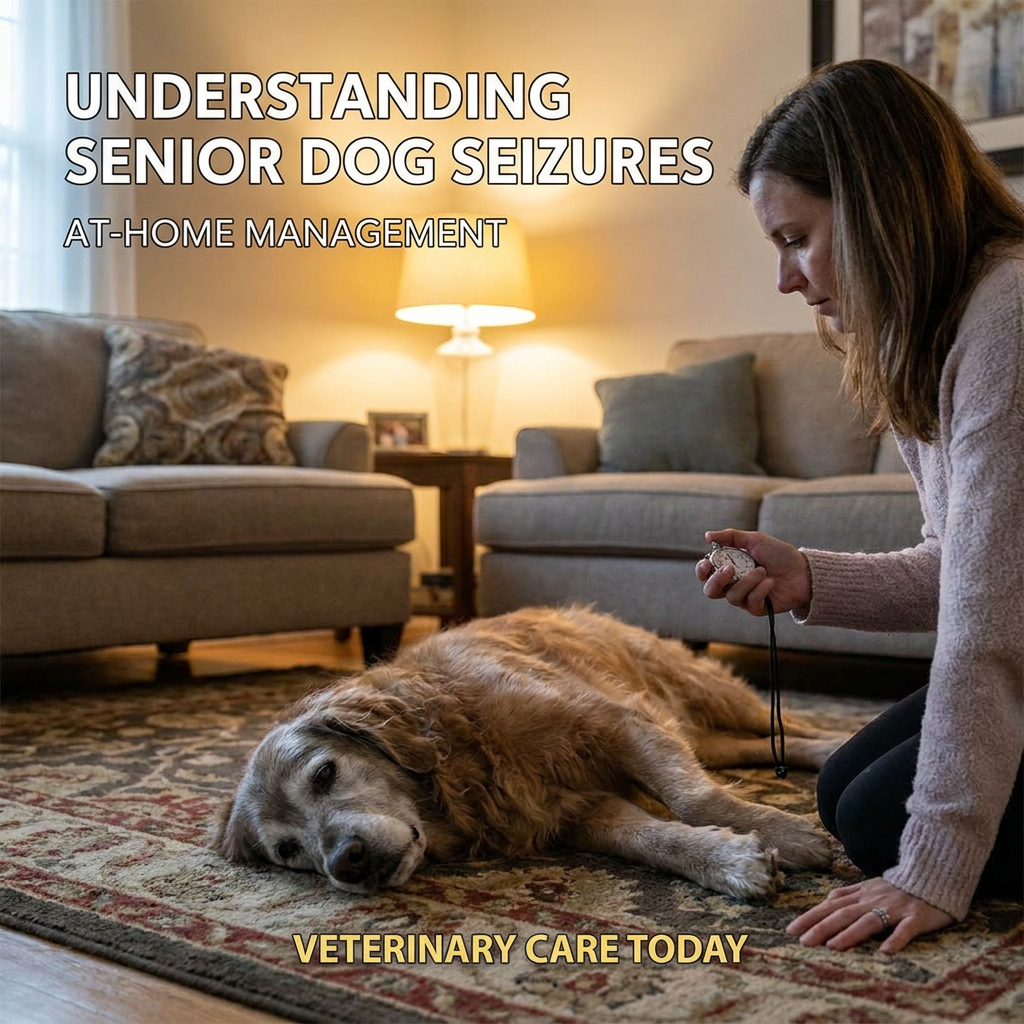
Step 5: time the seizure. The owner should look at the clock or the watch and note the time the seizure started. The owner should also note the time the seizure ended. The duration of the seizure is the most important piece of information that the owner can provide to the vet. The duration is what determines whether the seizure is an emergency.
Step 6: keep the environment quiet and dim. The pet that is having a seizure is the pet that benefits from a quiet, dim environment. The owner should turn off the TV, dim the lights, and keep the other pets and the children away from the seizing pet. The stimulation that the pet receives during the seizure can prolong the seizure and can make the post-seizure phase more severe.
What to do after the seizure
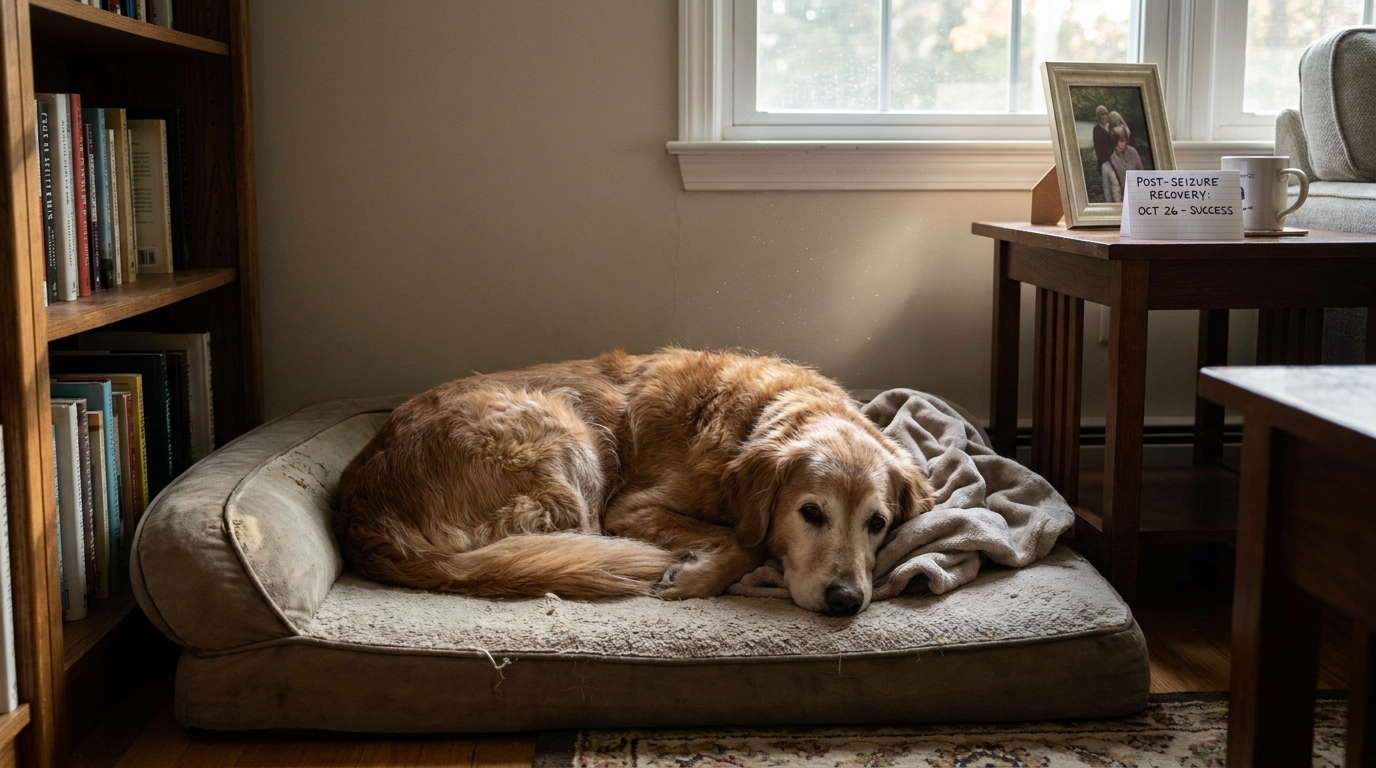
The post-seizure phase (the "post-ictal" phase) can last from minutes to hours, and the pet during the post-ictal phase can show a range of behaviors: disorientation, pacing, whining, hunger, thirst, exhaustion, temporary blindness, or temporary loss of housetraining. The pet that is in the post-ictal phase is the pet that needs the owner's calm reassurance and the owner's protection from the hazards.
The steps to follow after the seizure:
Step 7: keep the pet calm and quiet. The pet that is in the post-ictal phase is the pet that does not benefit from stimulation. The owner should keep the pet in a quiet, dim room, and should reassure the pet with calm voice and gentle touch. The pet that is reassured recovers faster than the pet that is stimulated.
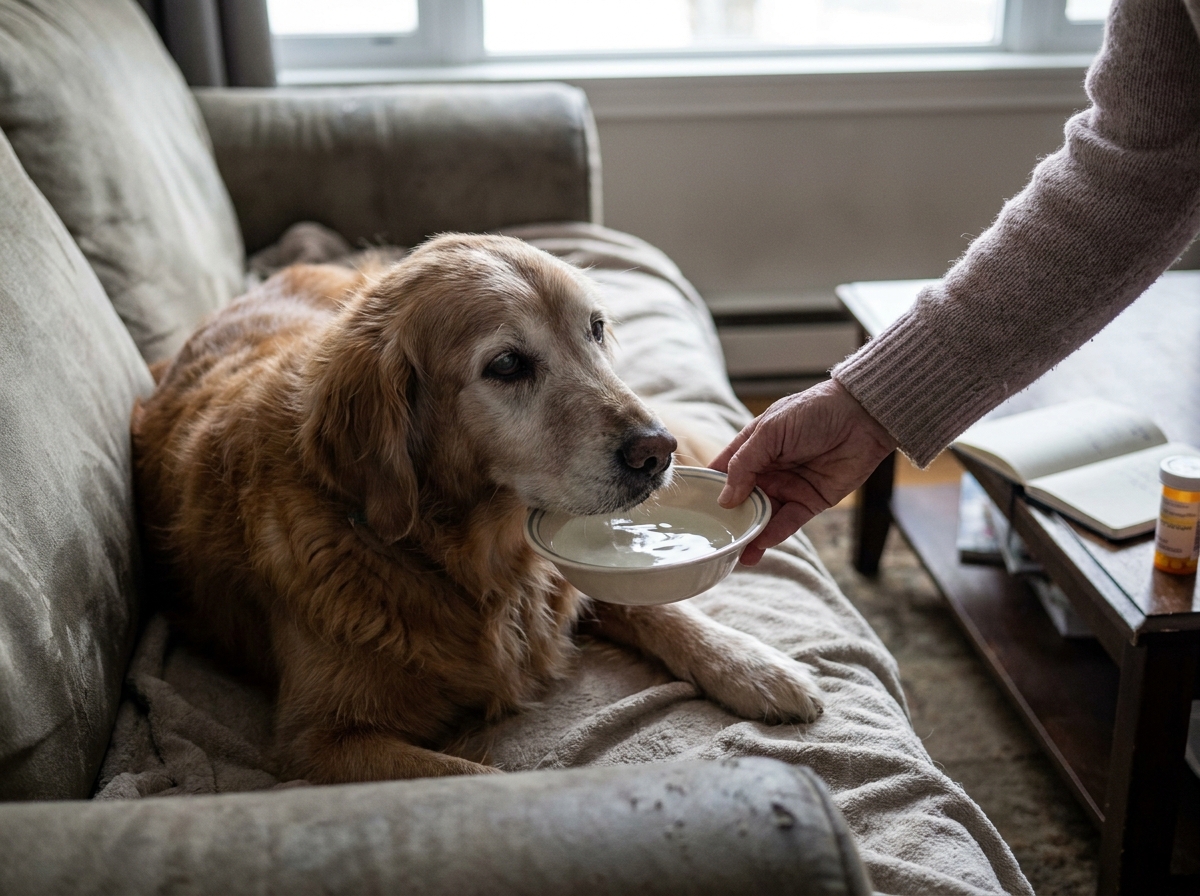
Step 8: offer water. The pet that has just had a seizure is often thirsty. The owner should offer a small amount of water, and the pet that is thirsty will drink. The pet that is not thirsty will not drink, and the owner should not force the water.
Step 9: offer a small meal. The pet that has just had a seizure is often hungry, particularly if the seizure was long or if the pet is on the anti-seizure medication. The owner should offer a small amount of the pet's regular food, and the pet that is hungry will eat. The pet that does not eat within 2-4 hours of the seizure should be evaluated by the vet.
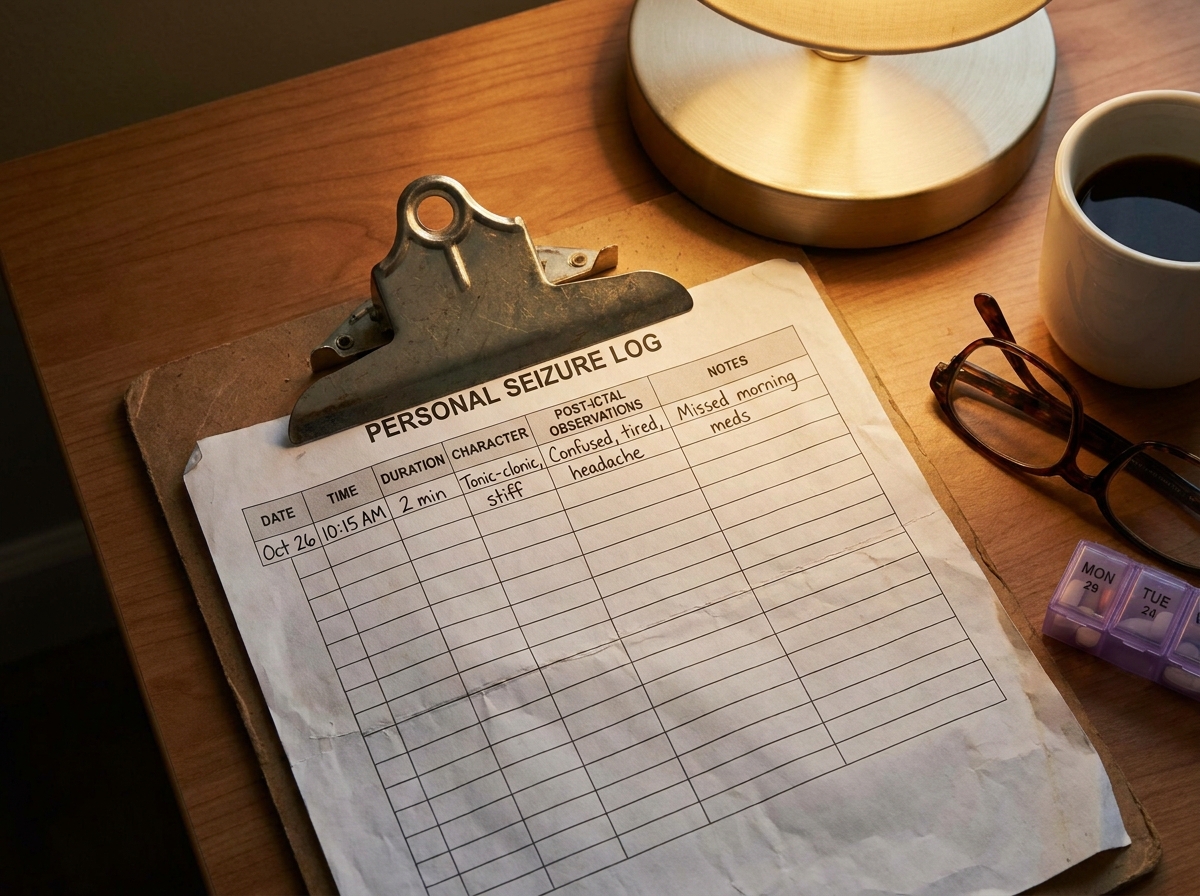
Step 10: log the seizure. The owner should log the date, the time, the duration, the character, the pet's behavior during and after, and any suspected triggers. The log is the data that the vet uses to adjust the medication and to assess the seizure control.
The emergency rules
The seizures that are an emergency and require an immediate vet visit:
- A seizure lasting more than 5 minutes (status epilepticus). The seizure that is prolonged is the seizure that is causing damage to the brain. The vet visit is the immediate visit, with the emergency vet being the appropriate visit.
- Multiple seizures in a short period without recovery in between (cluster seizures). The cluster seizures are the seizures that can progress to status epilepticus. The vet visit is the immediate visit.
- A seizure in a pet that has never had a seizure before. The first seizure is the seizure that needs the diagnostic workup. The vet visit is the same-day visit.
- A seizure in a pet that is on the anti-seizure medication, particularly if the medication has been recently changed or if a dose has been missed. The seizure that is a medication failure is the seizure that needs the medication adjustment.
- A seizure that is not followed by a normal recovery. The pet that does not return to its normal behavior within 24 hours is the pet that may have a more serious cause of the seizure.
The prevention
The prevention of seizures depends on the cause. The prevention of idiopathic epilepsy is the long-term anti-seizure medication (phenobarbital, potassium bromide, zonisamide, levetiracetam). The medication is started when the seizure frequency warrants the long-term treatment (typically 2 or more seizures within 6 months), and the medication is adjusted based on the seizure log and the blood levels.
The prevention of structural brain disease: the treatment depends on the cause. The brain tumor is treated with surgery, radiation, or palliative care. The brain inflammation is treated with anti-inflammatory medication. The brain malformation is managed with anti-seizure medication.
The prevention of metabolic disease: the treatment of the underlying metabolic disease (liver disease, kidney disease, low blood sugar). The seizures stop when the underlying disease is controlled.
The prevention of toxin exposure: the prevention of access to the toxins. The owner should keep the chocolate, the xylitol, the medications, the rodenticides, and the other potential toxins out of the pet's reach.
The most important sentence in this article
The pet that is having a seizure needs the owner to stay calm, clear the area, not restrain the pet, not put anything in the pet's mouth, time the seizure, and keep the environment quiet. The pet that has just had a seizure needs the owner to keep the pet calm, offer water and food, and log the seizure. The pet that has an emergency seizure (over 5 minutes, cluster seizures, first seizure, medication failure) needs the immediate vet visit. The owner who knows the protocol is the owner who protects the pet. The owner who does not know the protocol is the owner who makes the situation worse. The protocol is the work. The protocol is what makes the difference.