

Cancer: early warning signs in dogs and cats that lead to earlier diagnosis
Cancer is the leading cause of death in older dogs and cats, accounting for roughly 50% of deaths in dogs over 10 years of age and roughly 30% of deaths in cats over 10 years of age. The cancer that is caught early is the cancer that has the best chance of treatment, the best chance of remission, and the longest survival. The cancer that is caught late is the cancer that has often spread to the lymph nodes, the lungs, or the other organs, and the cancer that is caught late is the cancer that has the limited treatment options and the poorer prognosis. The owner who knows the early warning signs is the owner who brings the pet to the vet at the early stage, and the early stage is the stage at which the treatment is most effective. In this article I will walk through the 10 early warning signs that the owner should watch for, the cancers that each sign suggests, the diagnostic workup, and the realistic prognosis for the cancers that are caught at the early stage.
The 10 early warning signs
The 10 early warning signs, in order of how commonly they are the first sign that the owner notices:
1. Lumps and bumps. The most common early sign of cancer. The lump that is new, that is growing, that is firm, that is not freely movable under the skin, or that is bleeding or ulcerated is the lump that warrants a vet visit. The common cancers that present as lumps: lipoma (benign, but a common finding), mast cell tumor (the most common skin cancer in dogs, with a variable appearance), sebaceous gland tumor (usually benign in dogs, sometimes malignant in cats), soft tissue sarcoma (locally invasive, often requires wide surgical margins), and mammary gland tumor (common in female dogs and cats, particularly those that are not spayed or that are spayed late).
2. Unexplained weight loss. The dog or cat that is losing weight despite a normal or increased appetite is the dog or cat that may have cancer. The cancers that cause weight loss: lymphoma (the most common hematopoietic cancer in dogs and cats), intestinal cancer (often with vomiting or diarrhea), and the cancer that has metastasized to the liver or the other organs.
3. Loss of appetite. The dog or cat that stops eating or that eats less than usual is the dog or cat that may have cancer. The loss of appetite is often accompanied by the weight loss, and the loss of appetite is often a sign of the more advanced cancer.
4. Persistent vomiting or diarrhea. The dog or cat that has vomiting or diarrhea that does not respond to the standard treatments is the dog or cat that may have intestinal cancer. The most common intestinal cancer: lymphoma (in dogs and cats), intestinal adenocarcinoma (in dogs), and mast cell tumor (in cats).
5. Difficulty eating or swallowing. The dog or cat that has difficulty eating, that drops food, that has a change in the way it chews is the dog or cat that may have oral cancer. The most common oral cancer: melanoma (in dogs, often malignant), squamous cell carcinoma (in cats, often aggressive), and tonsillar squamous cell carcinoma (in dogs).
6. Difficulty breathing. The dog or cat that is breathing fast, that is coughing, that is breathing with the mouth open (in cats) is the dog or cat that may have lung cancer or that may have metastatic cancer to the lungs. The most common primary lung cancer: bronchogenic carcinoma (in dogs and cats), with the metastatic cancers (from the bone, the mammary gland, the skin) being more common than the primary lung cancers.
7. Lameness or stiffness. The dog or cat that is limping, that is stiff, that is reluctant to move is the dog or cat that may have bone cancer. The most common bone cancer: osteosarcoma (in dogs, particularly the large breeds, often aggressive and metastatic to the lungs). The lameness in the older dog or cat is also a sign of the soft tissue sarcoma, the synovial cell sarcoma, or the metastatic cancer to the bone.
8. Difficulty urinating or defecating. The dog or cat that is straining to urinate, that has blood in the urine, that is constipated is the dog or cat that may have a tumor in the bladder, the urethra, the colon, or the rectum. The most common lower urinary tract cancer: transitional cell carcinoma (in dogs, often in the bladder trigone), with the prostate cancer in the intact male dog being another common cause.
9. Persistent cough. The dog that is coughing for more than 2-3 weeks, that is not responding to the standard treatments, is the dog that may have lung cancer, heart-based tumor, or metastatic cancer to the lungs. The persistent cough in the cat is more often a sign of asthma, but the persistent cough can also be a sign of lung cancer or metastatic cancer.
10. Non-healing wounds or sores. The wound or the sore that does not heal within 2-3 weeks, that is bleeding, that is getting larger is the wound or the sore that may be a skin cancer. The most common non-healing skin cancer: squamous cell carcinoma (in dogs and cats, particularly in the lightly pigmented areas exposed to the sun), mast cell tumor (in dogs), and the basal cell carcinoma (in dogs and cats).
The diagnostic workup
The diagnostic workup for the suspected cancer depends on the location and the type. The workup typically includes:
The physical exam: a full physical exam, with the vet feeling the lump, the lymph nodes, the abdomen, and the other areas. The physical exam can identify the obvious cancers and can guide the next steps.
The blood work: a CBC, chemistry, and urinalysis to assess the overall health and to look for the indirect signs of cancer (anemia, elevated liver enzymes, elevated calcium, elevated globulins). The blood work is not diagnostic for the cancer, but the blood work is what determines whether the pet is healthy enough for the treatment.
The imaging: X-rays (for the lung metastases, the bone lesions, the abdominal masses), ultrasound (for the abdominal masses, the bladder tumors, the liver metastases), CT or MRI (for the detailed imaging of the tumors, particularly for the surgical planning).
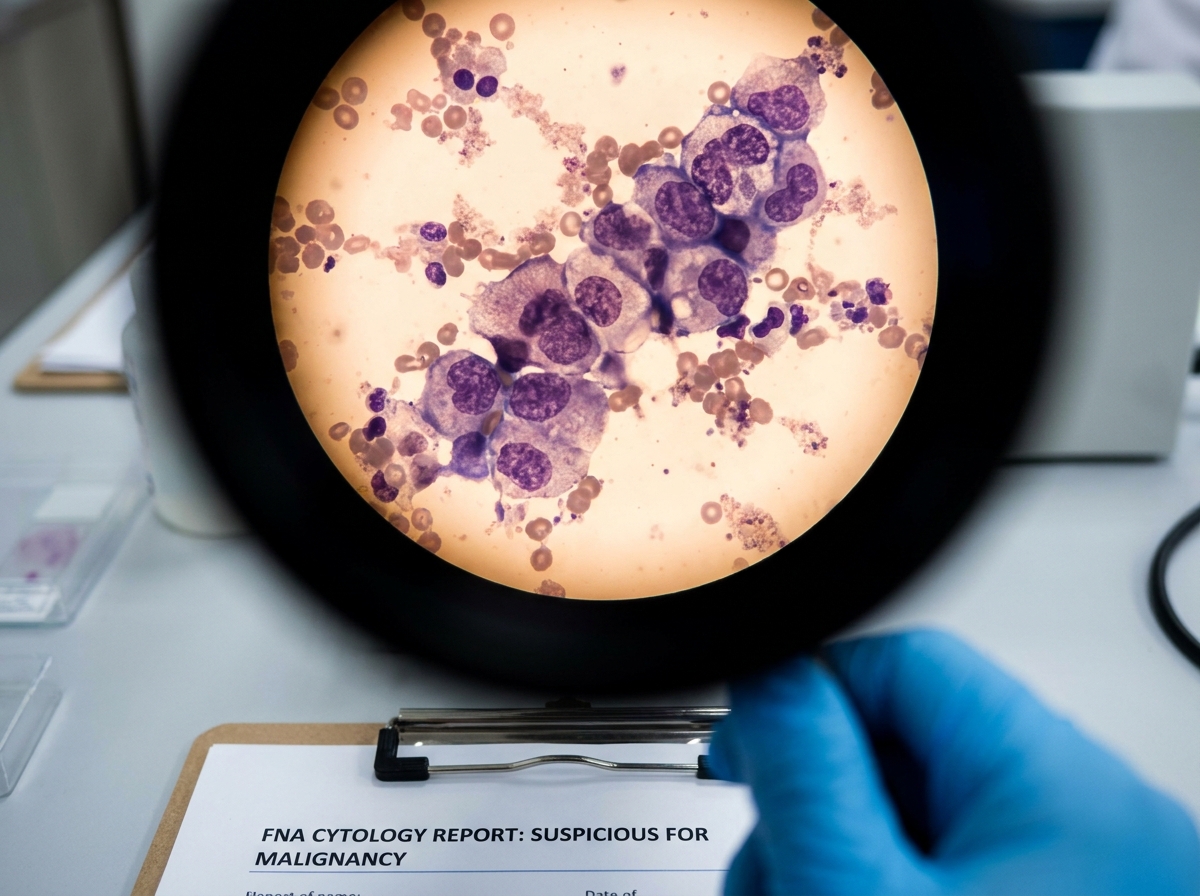
The biopsy: the fine needle aspirate (FNA) for the cytology, or the tissue biopsy for the histology. The biopsy is the only way to confirm the cancer diagnosis and to determine the cancer type and the grade. The biopsy is essential for the treatment planning, and the biopsy is what the oncologist uses to design the protocol.
The treatment options
The treatment options depend on the cancer type, the stage, the location, and the overall health of the pet. The options:
Surgery: the most common treatment for the localized cancer. The surgery aims to remove the entire tumor with clean margins, and the clean margins are what reduce the risk of the local recurrence. The surgery is the treatment of choice for the mast cell tumor, the soft tissue sarcoma, the mammary gland tumor, and the bone tumor (where possible).
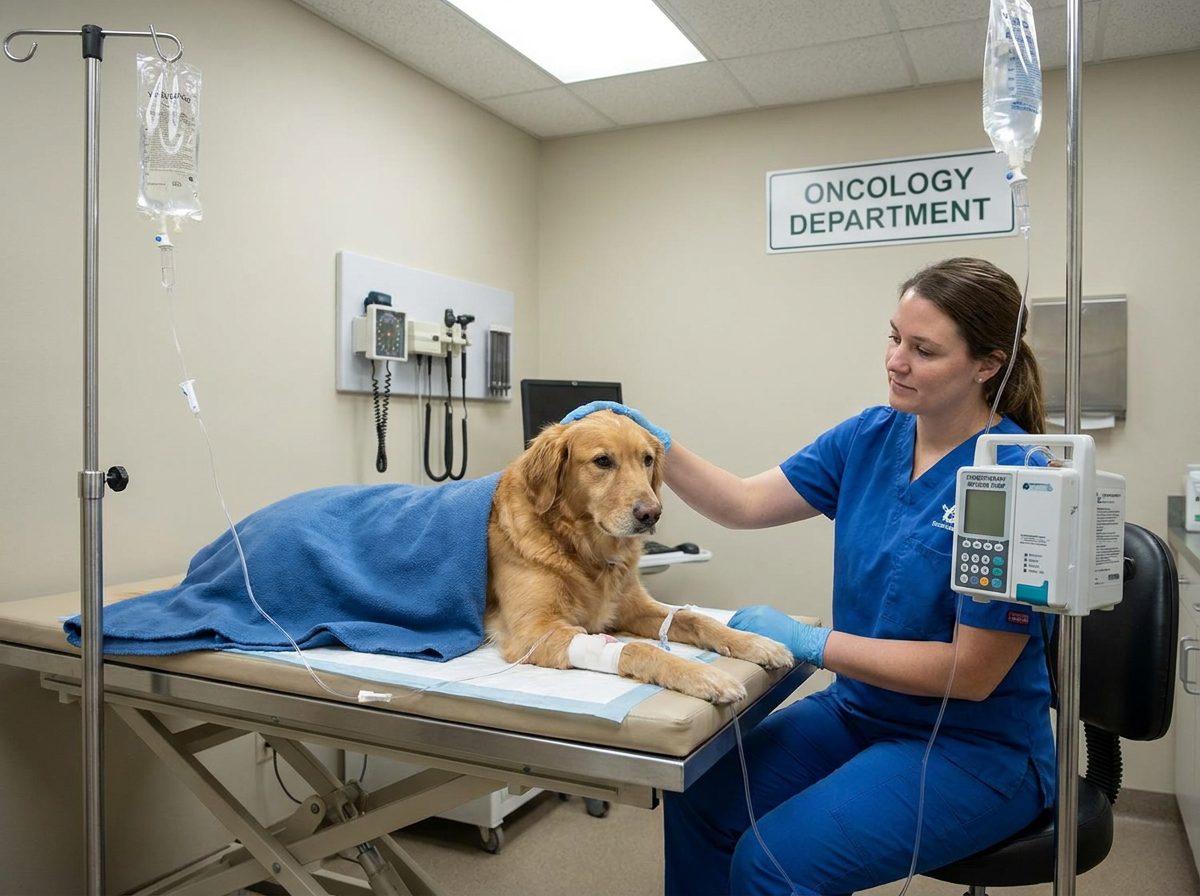
Chemotherapy: the treatment for the systemic cancer or the metastatic cancer. The chemotherapy uses the drugs that kill the rapidly dividing cells, and the chemotherapy is typically given in a series of treatments every 1-3 weeks. The most common cancers that are treated with chemotherapy: lymphoma, the metastatic mast cell tumor, the metastatic osteosarcoma, and the metastatic carcinoma.
Radiation therapy: the treatment for the localized cancer that cannot be removed surgically or that requires additional local control. The radiation therapy uses the high-energy beams that kill the cancer cells, and the radiation therapy is typically given in a series of treatments over 1-4 weeks. The most common cancers that are treated with radiation: the nasal tumors, the brain tumors, the oral tumors, and the post-surgical margins for the soft tissue sarcoma.
Immunotherapy and targeted therapy: the newer treatments that are becoming more available in veterinary oncology. The immunotherapy uses the body's own immune system to fight the cancer, and the targeted therapy uses the drugs that target the specific cancer cells. The most common examples: the melanoma vaccine (Oncept), the tyrosine kinase inhibitors (Palladia, Kinavet), and the monoclonal antibodies.
The prognosis by cancer type
The prognosis for the cancer that is caught early is significantly better than the prognosis for the cancer that is caught late. The prognoses for the common cancers:
Mast cell tumor (grade 1, complete excision): 90%+ long-term survival. The grade 1 mast cell tumor that is completely excised is essentially cured. The grade 2 mast cell tumor: 50-80% long-term survival. The grade 3 mast cell tumor: 20-40% long-term survival, even with the aggressive treatment.
Lymphoma (multi-agent chemotherapy): 80-90% remission rate, with the median survival of 12-14 months. The cat with lymphoma has a similar remission rate, with the median survival of 6-9 months.
Osteosarcoma (amputation + chemotherapy): 50% 1-year survival, 10-20% 2-year survival. The amputation is the primary treatment, and the chemotherapy is the adjuvant treatment that delays the metastasis.
Soft tissue sarcoma (complete excision): 80-90% long-term survival. The complete excision with the clean margins is the most important prognostic factor.
Squamous cell carcinoma (oral, in cats): aggressive, with the median survival of 2-4 months without the treatment, and 6-12 months with the surgery and the radiation.
The most important sentence in this article
The owner who knows the 10 early warning signs is the owner who brings the pet to the vet at the early stage. The cancer that is caught early is the cancer that has the best treatment options, the best prognosis, and the longest survival. The cancer that is caught late is the cancer that has the limited options and the poorer prognosis. The owner who does the weekly home check, who feels the lumps, who notices the weight loss, who brings the pet to the vet at the first sign of the change — is the owner who gives the pet the best chance. The check is the work. The check is what makes the difference.