
Calcium and vitamin D3: the right pairing for reptiles and why the ratio matters
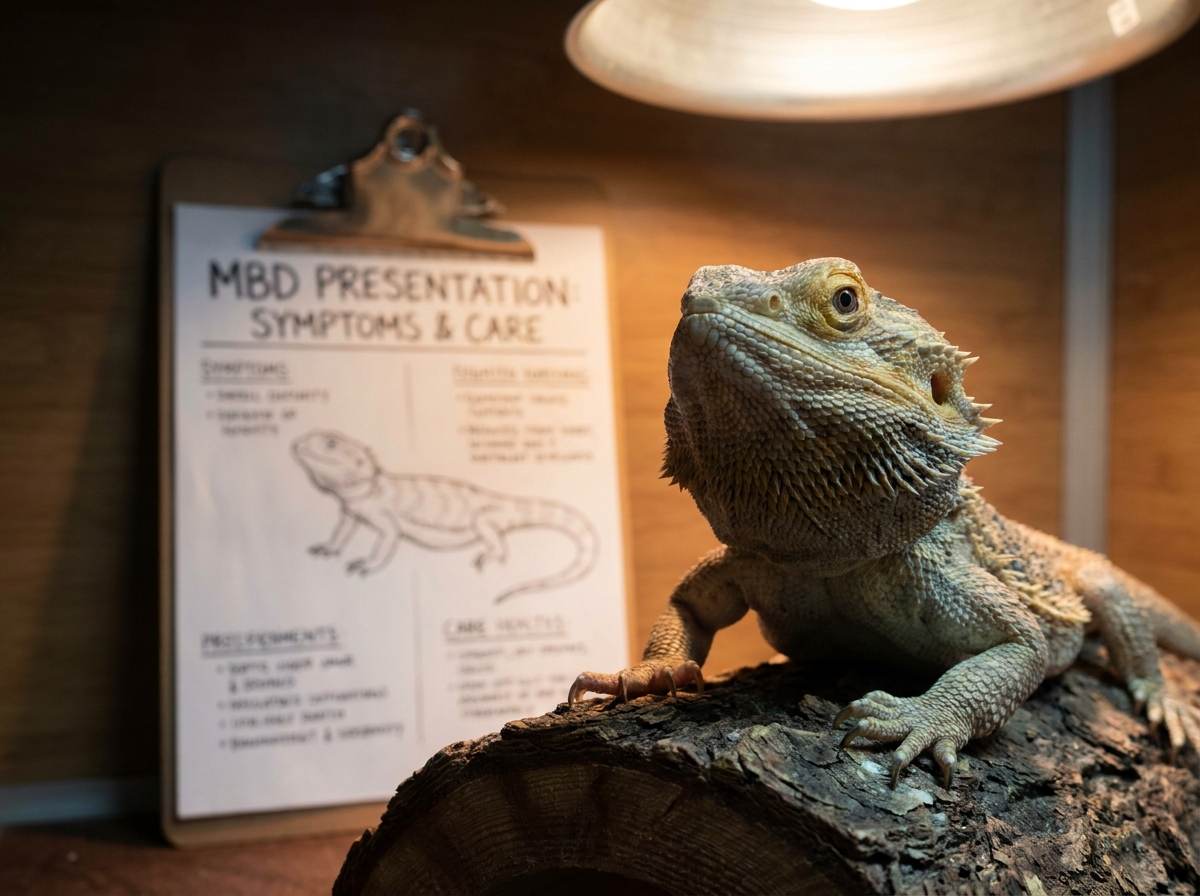
Metabolic bone disease (MBD) is the most common nutritional disease in captive reptiles, and the MBD is the most preventable nutritional disease. The MBD is caused by a chronic imbalance between calcium intake and vitamin D3 availability, with the result that the reptile cannot deposit calcium in the bones, and the bones become soft, deformed, and prone to fracture. The bearded dragon with the soft jaw, the leopard gecko with the trembling legs, the tortoise with the soft shell — these are the reptiles with MBD, and these are the reptiles that the right calcium and D3 supplementation would have prevented. In this article I will walk through the calcium and D3 metabolism, the right pairing of calcium and D3, the supplementation protocol for each species, the common mistakes, and the cases that warrant a vet visit.
The calcium and D3 metabolism
The calcium metabolism in the reptile is the same as in the mammal: the calcium is absorbed from the gut, deposited in the bones, and excreted by the kidneys. The vitamin D3 is the critical cofactor for the calcium absorption from the gut. Without vitamin D3, the calcium is not absorbed efficiently, and the reptile becomes calcium-deficient even on a diet that appears to be calcium-rich.
The vitamin D3 is produced in two ways: dietary D3 (from the animal-source foods in the diet, such as the insects with the D3-containing gut load) and cutaneous D3 (synthesized in the skin under UVB exposure). The cutaneous D3 is the major source for the diurnal species (bearded dragons, tortoises, iguanas), and the dietary D3 is the major source for the nocturnal species (leopard geckos, crested geckos). The species that has neither adequate UVB nor adequate dietary D3 is the species that develops MBD.
The calcium-to-phosphorus ratio matters. The reptile diet should have a calcium-to-phosphorus ratio of 1.5:1 to 2:1 (calcium higher than phosphorus). The diet that has more phosphorus than calcium is the diet that binds the calcium in the gut and prevents the calcium absorption. The high-phosphorus diet (the diet of mostly meat, the diet of mostly grain, the diet of mostly fruit) is the diet that produces MBD even with calcium supplementation.
The right pairing: calcium + D3 + UVB
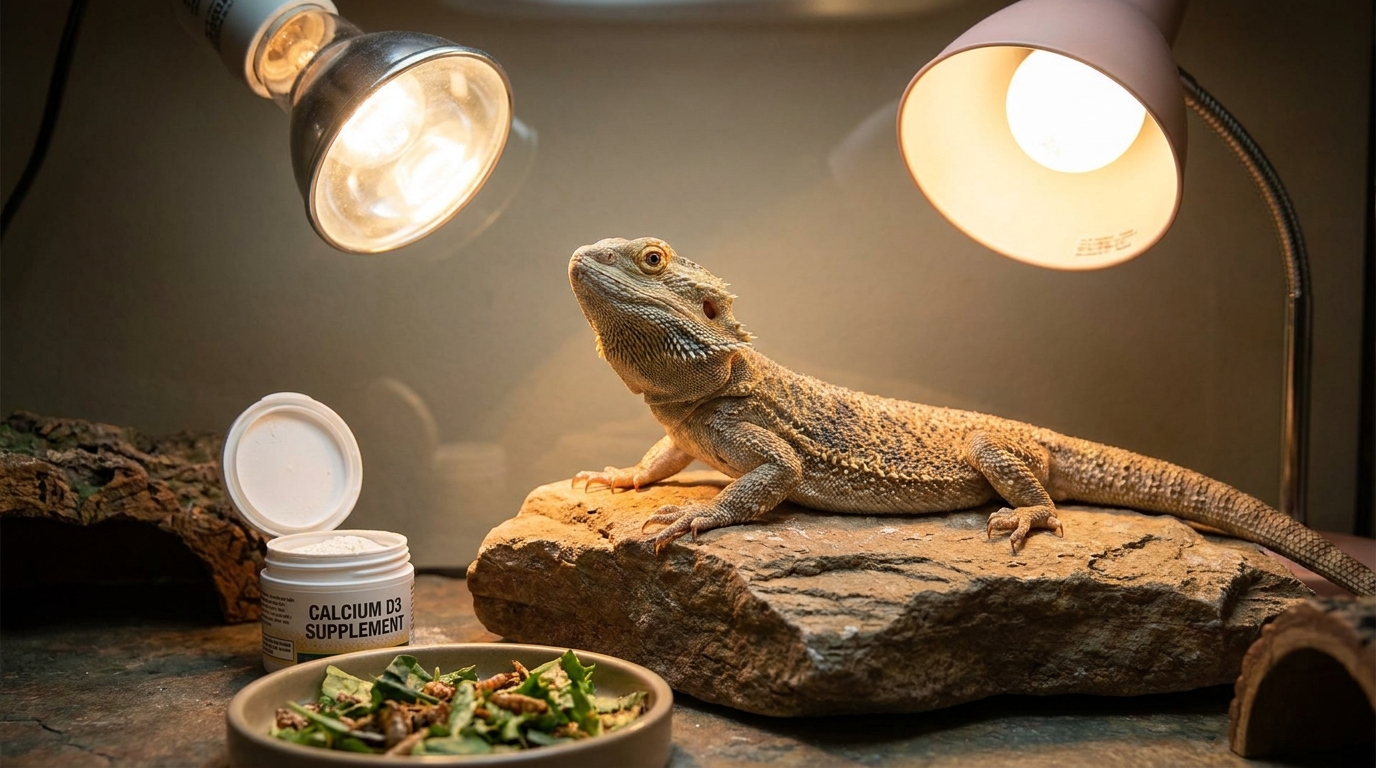
The right pairing is the combination that produces the right calcium and D3 status in the reptile. The combination has three components: the dietary calcium, the vitamin D3 (dietary or cutaneous), and the UVB exposure (for the diurnal species).
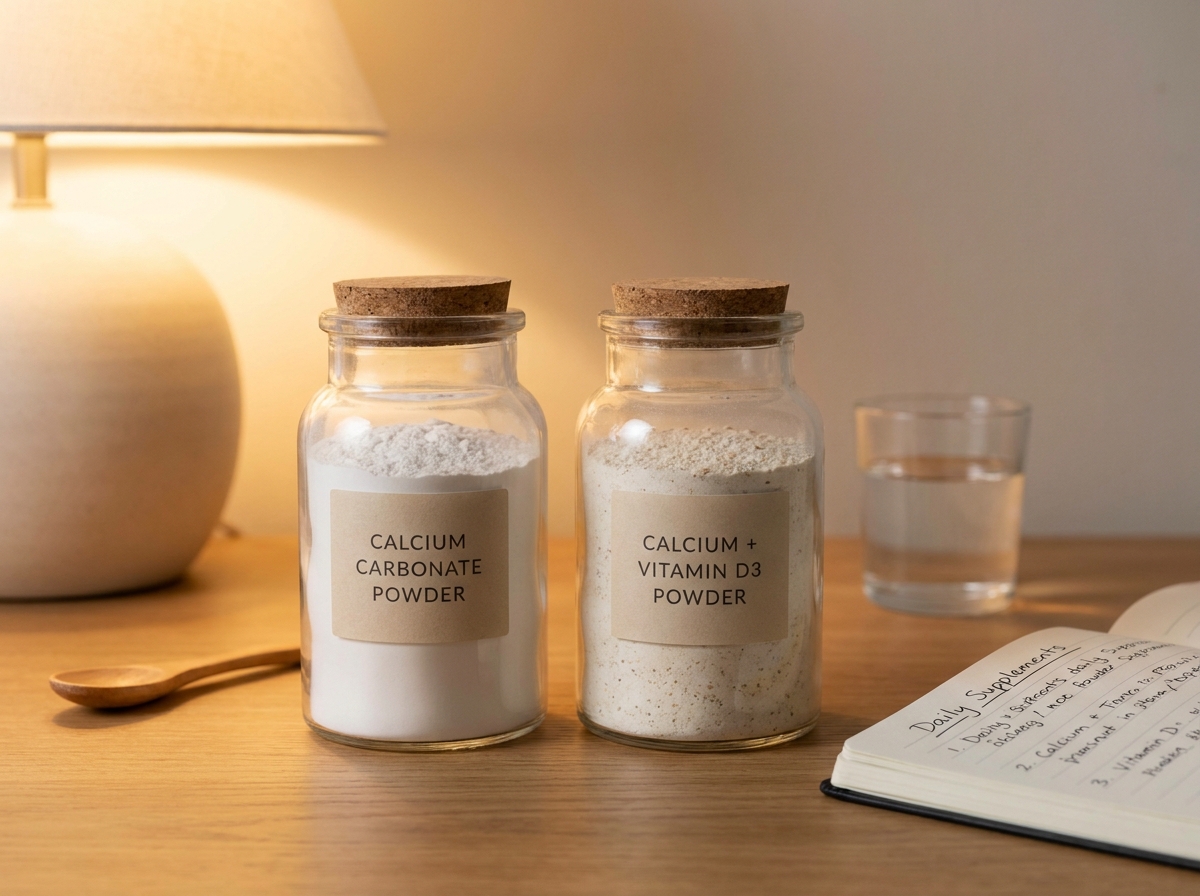
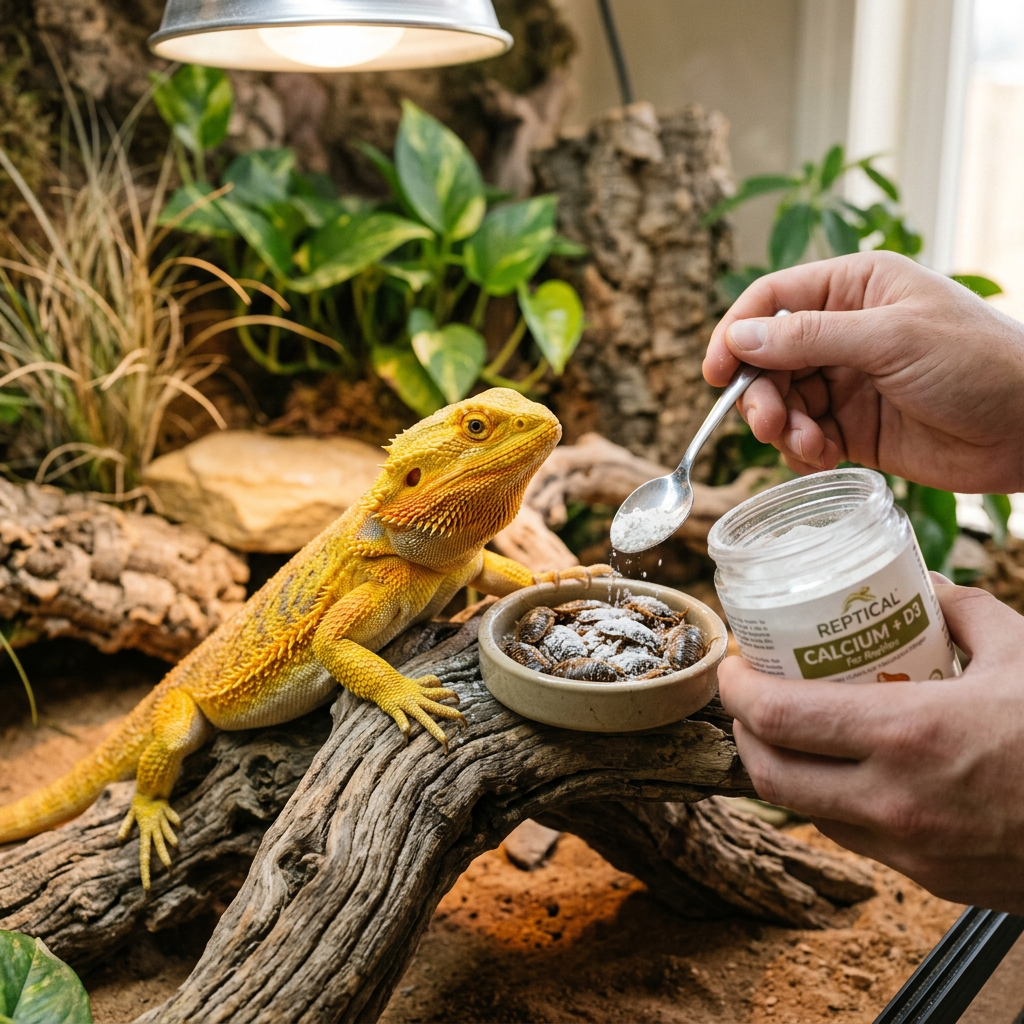
The dietary calcium. The dietary calcium is provided through the calcium-rich foods (the dark leafy greens for the herbivores, the gut-loaded insects for the insectivores, the calcium-dusted prey for the carnivores) and the calcium supplement powder (the calcium carbonate or calcium gluconate powder dusted on the food 3-5 times per week for the adults, more frequently for the juveniles and the breeding females).
The vitamin D3. The vitamin D3 is provided through the dietary D3 (in the gut-loaded insects or the D3-containing supplement) and the cutaneous D3 (from the UVB exposure). The D3-containing supplement (the calcium powder with D3) is dusted on the food 1-2 times per week for the adults, more frequently for the juveniles and the breeding females. The D3-containing supplement is not a substitute for the UVB exposure, and the UVB exposure is not a substitute for the dietary D3.
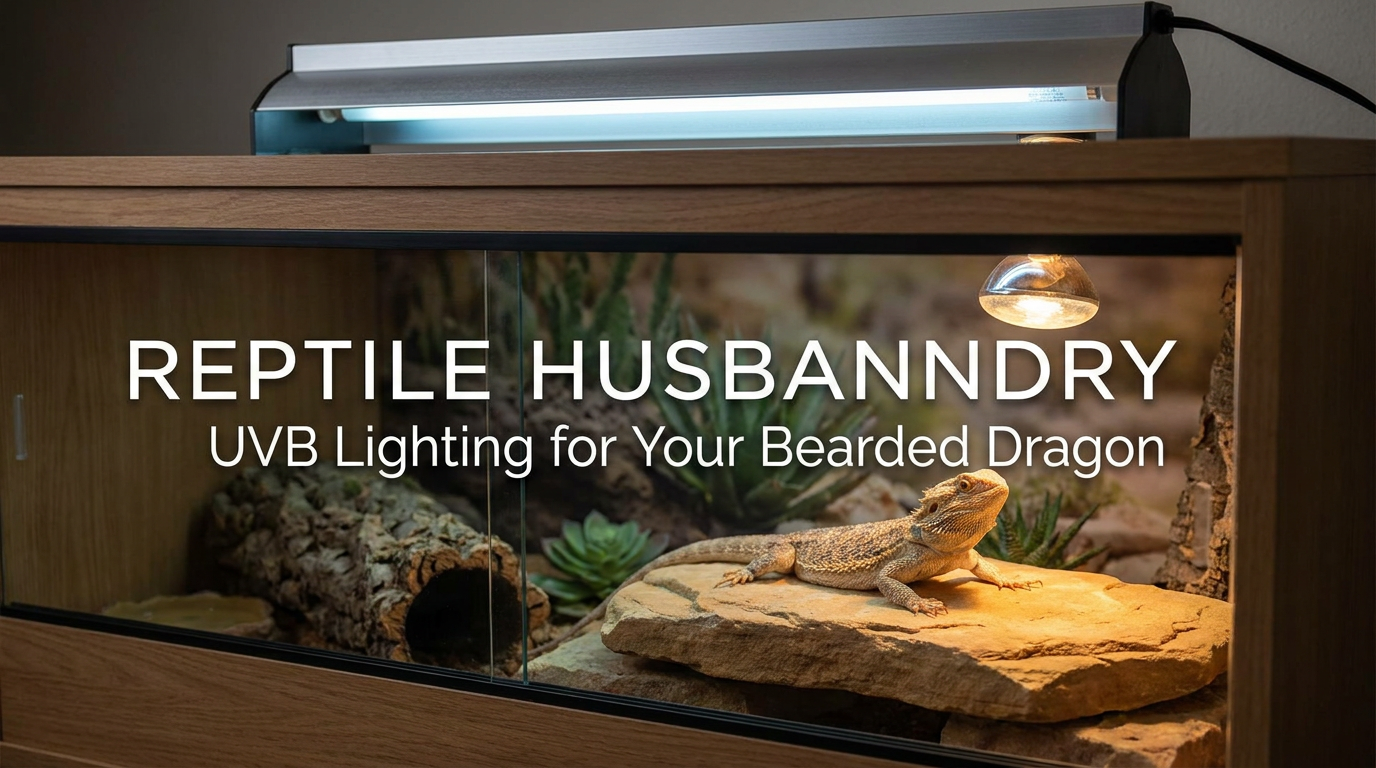
The UVB exposure. The UVB exposure is what produces the cutaneous D3, and the UVB exposure is critical for the diurnal species. The UVB tube (T5 HO, 10.0 or 12.0, replaced annually) at the proper distance (10-14 inches from the basking spot) is the source of the UVB. The UVB tube is not a luxury; the UVB tube is a necessity. The reptile that does not have the UVB tube is the reptile that is at high risk for MBD, regardless of the dietary calcium and D3.
The supplementation protocol for each species
Bearded dragon (adult). The dietary calcium: 5-7 feedings of gut-loaded insects per week (the insects are dusted with calcium powder 3-5 times per week and with calcium + D3 powder 1-2 times per week), plus daily fresh vegetables (collard, mustard, dandelion, squash). The UVB: T5 HO 10.0 or 12.0 tube at 10-14 inches from the basking spot, replaced annually. The basking spot temperature: 95-105°F. The right combination produces the bearded dragon with strong bones, normal jaw, and no MBD.
Leopard gecko (adult). The dietary calcium: 3-4 feedings of gut-loaded insects per week (the insects are dusted with calcium + D3 powder at every feeding, since the leopard gecko is nocturnal and does not produce much cutaneous D3). The UVB: low-output T5 HO 5.0 tube (since the leopard gecko is crepuscular and does not need high UVB, but benefits from the low-output exposure for the D3 synthesis). The right combination produces the leopard gecko with strong bones and no MBD.
Crested gecko (adult). The dietary calcium: commercial crested gecko diet (CGD) powder mixed with water, fed 2-3 times per week (the CGD is formulated with the calcium and D3, and the CGD is the complete diet). The gut-loaded insects dusted with calcium + D3 are a supplement, fed 1-2 times per week. The UVB: optional, but the low-output T5 HO 5.0 tube can be provided for the diurnal activity period. The right combination produces the crested gecko with strong bones and no MBD.
Russian tortoise (adult). The dietary calcium: daily fresh dark leafy greens (collard, mustard, dandelion, kale in moderation), supplemented with calcium powder 3-4 times per week and with calcium + D3 powder 1 time per week. The UVB: T5 HO 10.0 or 12.0 tube for outdoor tortoises, or T5 HO 10.0 tube for indoor tortoises, at 10-14 inches from the basking spot, replaced annually. The basking spot temperature: 90-100°F. The right combination produces the tortoise with a smooth, hard shell and no MBD.
Veiled chameleon (adult). The dietary calcium: 5-7 feedings of gut-loaded insects per week (the insects are dusted with calcium powder 3-5 times per week and with calcium + D3 powder 1-2 times per week), plus occasional fresh vegetables. The UVB: T5 HO 5.0 or 10.0 tube (the chameleon is a forest species, so the lower-output UVB is appropriate) at 10-14 inches from the basking spot, replaced annually. The right combination produces the chameleon with strong bones and no MBD.
The common mistakes
The calcium without D3. The owner who dusts the food with calcium powder only, without D3, is the owner who is supplementing the calcium but not enabling the absorption. The calcium that is not absorbed is the calcium that is excreted. The fix: a calcium + D3 powder for at least 1 feeding per week.
The D3 without UVB. The owner who provides the calcium + D3 powder but does not provide the UVB exposure is the owner who is providing the D3 but not the cutaneous D3. The dietary D3 is not enough on its own for the diurnal species, and the species that has the dietary D3 but not the UVB is the species that still develops MBD. The fix: a UVB tube (T5 HO 10.0 or 12.0) at the proper distance, replaced annually.
The UVB tube that is too old. The UVB tube that is more than 12 months old is the UVB tube that is producing little or no UVB, even though it is producing visible light. The owner who is using a 2-year-old UVB tube is the owner who has the UVB that is not doing anything. The fix: replace the UVB tube every 12 months, with the calendar reminder.
The wrong calcium-to-phosphorus ratio in the diet. The diet that is high in phosphorus (the diet of mostly grain, the diet of mostly fruit, the diet that is not balanced) is the diet that binds the calcium. The fix: a balanced diet with the right calcium-to-phosphorus ratio.
The overdose of D3. The owner who provides the calcium + D3 powder at every feeding is the owner who is providing the excess D3. The excess D3 is toxic and can cause the soft tissue calcification. The fix: the calcium + D3 powder at 1-2 feedings per week, the calcium-only powder at the other feedings.
The cases that warrant a vet visit
The cases that warrant a vet visit: a reptile with the soft jaw, the trembling legs, the soft shell, the kyphosis (hunchback), the seizures, the muscle twitching, the loss of appetite, or any other sign of MBD. The vet can perform a physical exam, take X-rays to evaluate the bone density, run blood work to evaluate the calcium and the D3 levels, and start the treatment (calcium injections, oral calcium, D3 injections, dietary adjustment, environmental adjustment). The MBD that is caught early is the MBD that is reversible. The MBD that is caught late is the MBD that is permanent.
The honest summary
MBD is the most common nutritional disease in captive reptiles, and the MBD is the most preventable. The right pairing of calcium and D3, with the UVB exposure for the diurnal species, is what prevents the MBD. The supplementation protocol varies by species, and the owner who follows the species-specific protocol is the owner who has the reptile with strong bones. The mistakes: calcium without D3, D3 without UVB, UVB tube too old, wrong calcium-to-phosphorus ratio, D3 overdose. The cases that warrant a vet visit: any sign of MBD. The owner who runs the protocol is the owner who has the reptile without MBD. The protocol is the work. The protocol is what makes the difference.