
Mouth rot: how to spot it early in reptiles and the treatment that catches it in time
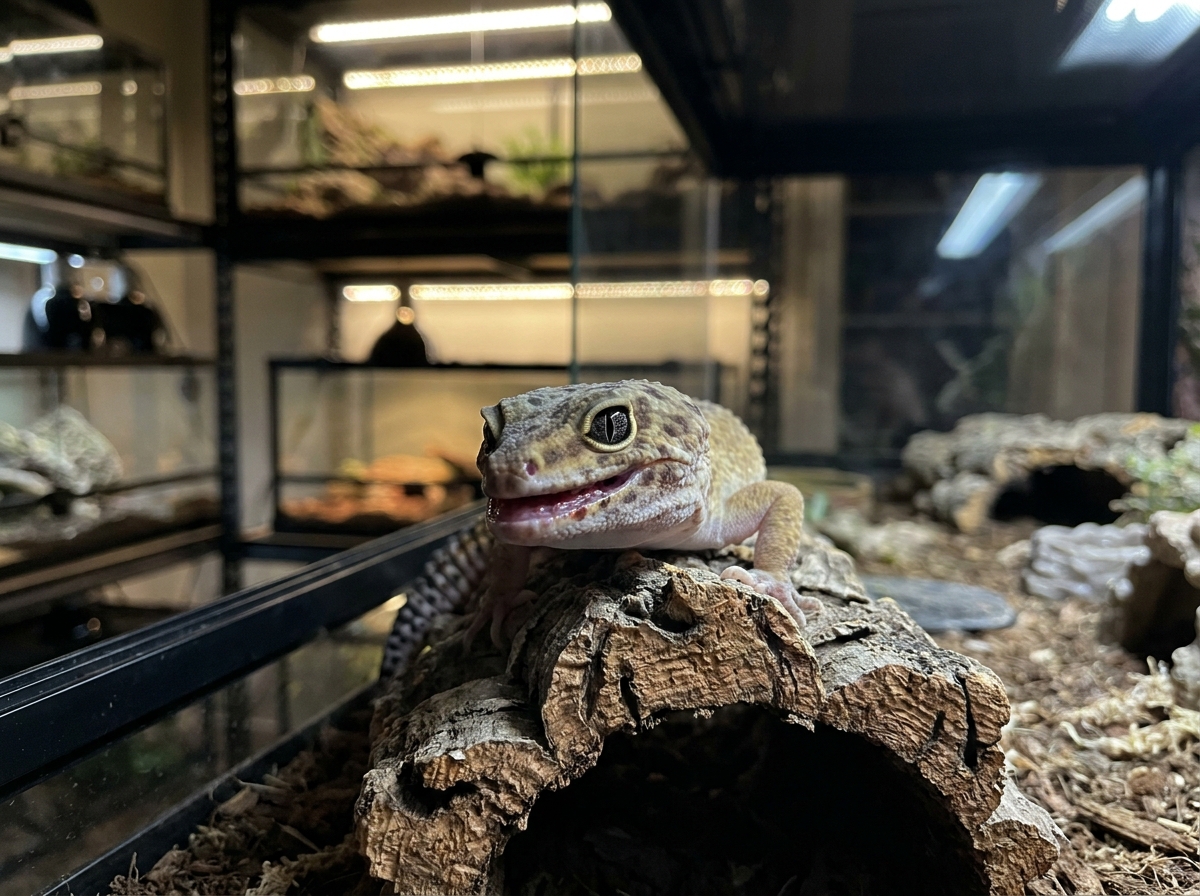
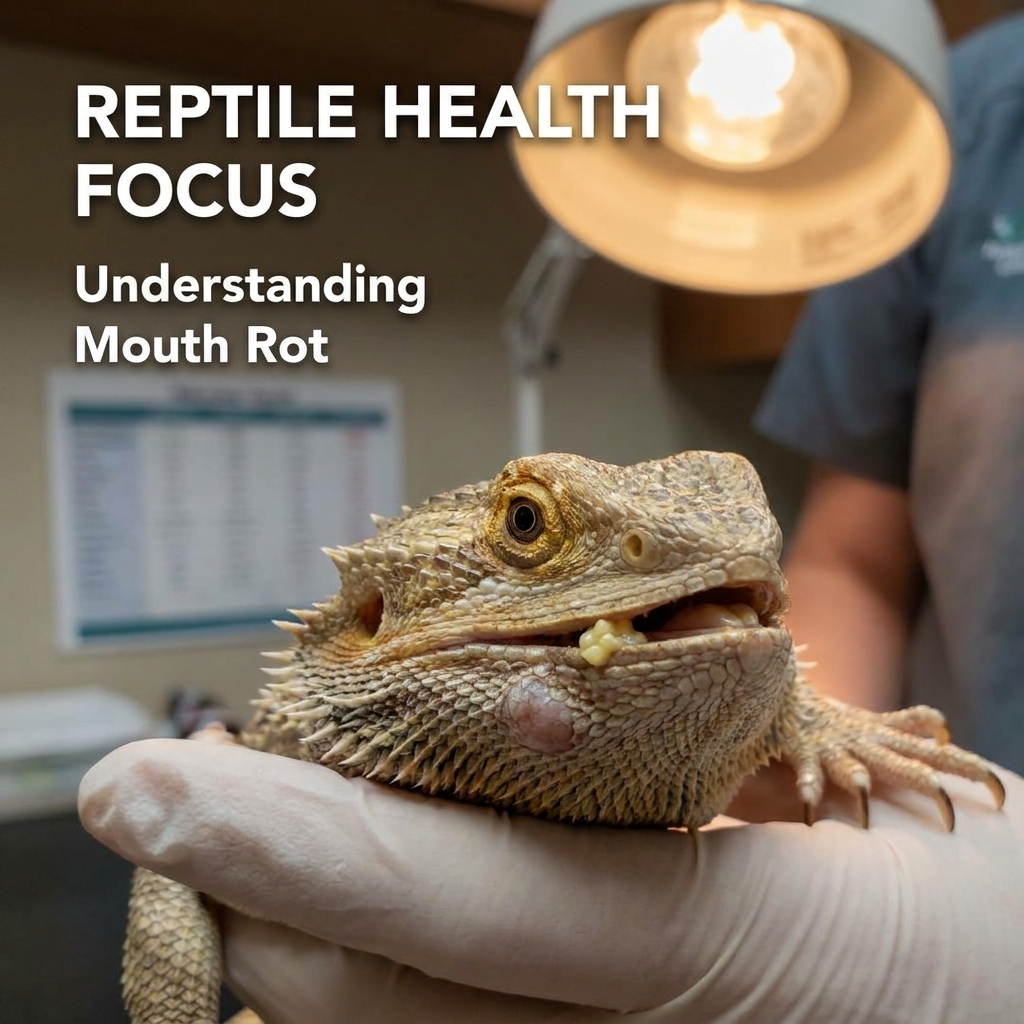
Mouth rot (infectious stomatitis) is the most common infectious disease in captive reptiles, and the mouth rot is the disease that is the most preventable. The mouth rot is a bacterial infection of the oral mucosa, and the mouth rot typically develops as a secondary infection of a primary stressor (the poor husbandry, the malnutrition, the trauma, the immunosuppression). The bearded dragon with the cheesy yellow material in the mouth, the ball python with the swollen gums, the leopard gecko with the mouth held slightly open — these are the reptiles with the mouth rot, and these are the reptiles that the early recognition and the right treatment can save. The disease that is caught early is the disease that is treatable with the topical and the systemic antibiotics, and the disease that is caught late is the disease that has spread to the bone, the systemic infection, and the death. In this article I will walk through what the mouth rot is, the causes, the early recognition, the treatment, the prevention, and the cases that warrant the immediate vet visit.
What the mouth rot is
The mouth rot (infectious stomatitis or ulcerative stomatitis) is a bacterial infection of the oral mucosa, typically caused by the opportunistic bacteria that are normally present in the mouth in low numbers. The most common bacteria: Pseudomonas aeruginosa, Aeromonas, Klebsiella, and the various Gram-negative bacteria. The bacteria are normally kept in check by the reptile's immune system, and the bacteria become pathogenic when the immune system is suppressed or the oral mucosa is damaged.
The primary stressors that allow the mouth rot to develop: the poor husbandry (the suboptimal temperature, the suboptimal humidity, the poor nutrition), the immunosuppression (the chronic stress, the underlying disease, the recent antibiotic use), the oral trauma (the rough food, the aggressive handling, the mouth injury from the live prey), and the underlying disease (the metabolic bone disease, the parasites, the respiratory infection). The mouth rot is almost always a secondary infection, and the primary stressor has to be addressed for the mouth rot to resolve.
The early recognition
The early recognition is the difference between the treatable mouth rot and the untreatable mouth rot. The early signs, in order of how commonly they appear:
The increased mucus or saliva. The reptile that is producing more saliva than usual is the reptile that has the early mouth rot. The increased saliva is the early sign, and the increased saliva is often only visible when the reptile is held up and the mouth is examined.
The slight swelling of the gums. The gums that are slightly swollen, slightly red, slightly inflamed are the gums that have the early mouth rot. The swelling is often subtle, and the swelling is often only visible when compared to a photo of the same reptile from a few weeks earlier.
The small amount of the cheesy yellow or white material. The material that accumulates at the gum line or the tooth line is the bacterial plaque, the dead white blood cells, and the food debris. The material is the classic sign of the mouth rot, and the material is what the owner sees when the reptile is held up and the mouth is opened.
The reluctance to eat. The reptile that is reluctant to eat, that approaches the food but does not take it, that eats less than usual is the reptile that may have the mouth rot. The reluctance to eat is a sign of the pain in the mouth, and the pain is a sign of the infection.
The mouth held slightly open. The reptile that holds the mouth slightly open, that breathes through the mouth instead of the nose, is the reptile that has the more advanced mouth rot. The mouth held slightly open is a sign of the obstruction in the mouth, and the obstruction is a sign of the swelling and the material.
The late signs, which indicate the advanced disease: the swollen and the distorted face, the discharge from the mouth, the bleeding from the mouth, the loose teeth (in the species that have teeth), the bone visible in the mouth, the systemic signs (the lethargy, the weight loss, the refusal to eat). The late signs are the signs that the disease has progressed beyond the treatable stage.
The treatment
The treatment of the mouth rot depends on the severity. The mild cases (the increased saliva, the slight swelling, the small amount of material) can be treated at home with the topical treatment. The moderate cases (the moderate swelling, the moderate material, the reluctance to eat) require the vet visit and the systemic antibiotics. The severe cases (the swollen face, the discharge, the bone visible, the systemic signs) require the vet visit, the systemic antibiotics, the possible surgical debridement, and the hospitalization.
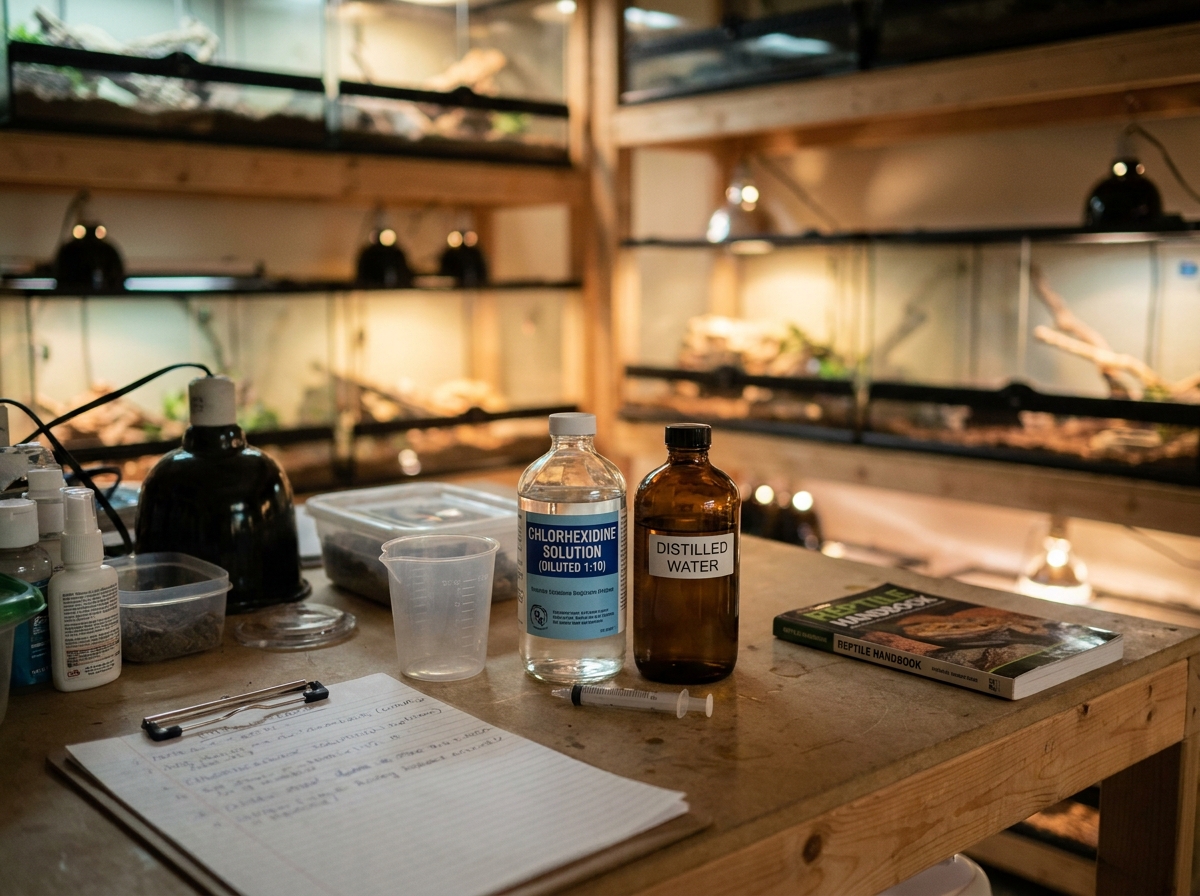
The home treatment for the mild cases: the topical application of the diluted chlorhexidine (the chlorhexidine diluted 1:10 with the water) or the diluted povidone-iodine (the povidone-iodine diluted 1:10 with the water) to the affected area, 1-2 times per day for 7-14 days. The application is done with a cotton swab, with the affected area gently cleaned, and the reptile is held firmly but gently during the application. The chlorhexidine and the povidone-iodine kill the bacteria on the surface, and the surface treatment is what the mild cases need.
The vet treatment for the moderate cases: the vet will perform a physical exam, may take a swab for the bacterial culture and the sensitivity, will start the systemic antibiotics (the ceftazidime, the enrofloxacin, or the chloramphenicol are common choices), will perform the wound debridement (the removal of the dead tissue and the material), and will provide the supportive care (the fluid therapy, the nutritional support, the pain management). The systemic antibiotics are the treatment for the bacterial infection that has gone beyond the surface, and the systemic antibiotics are the treatment that the moderate and the severe cases need.
The treatment duration: the home treatment for the mild cases is 7-14 days, with the resolution typically seen within the first 3-5 days. The vet treatment for the moderate cases is 14-21 days, with the resolution typically seen within the first 5-7 days. The vet treatment for the severe cases is 21-42 days, with the resolution typically seen within the first 7-14 days. The treatment should continue for at least 7 days after the resolution to prevent the recurrence.
The primary stressor
The primary stressor has to be addressed for the mouth rot to resolve and to not recur. The most common primary stressors and the corrections:
The suboptimal temperature: the temperature should be in the optimal range for the species (the basking spot at 95-105°F for the bearded dragon, the 78-82°F for the ball python, the 88-92°F for the leopard gecko). The temperature is the primary driver of the immune function, and the suboptimal temperature is the most common cause of the immunosuppression.
The suboptimal humidity: the humidity should be in the optimal range for the species (the 30-40% for the bearded dragon, the 50-60% for the ball python, the 30-40% for the leopard gecko). The suboptimal humidity is the second most common cause of the immunosuppression and the oral dehydration.
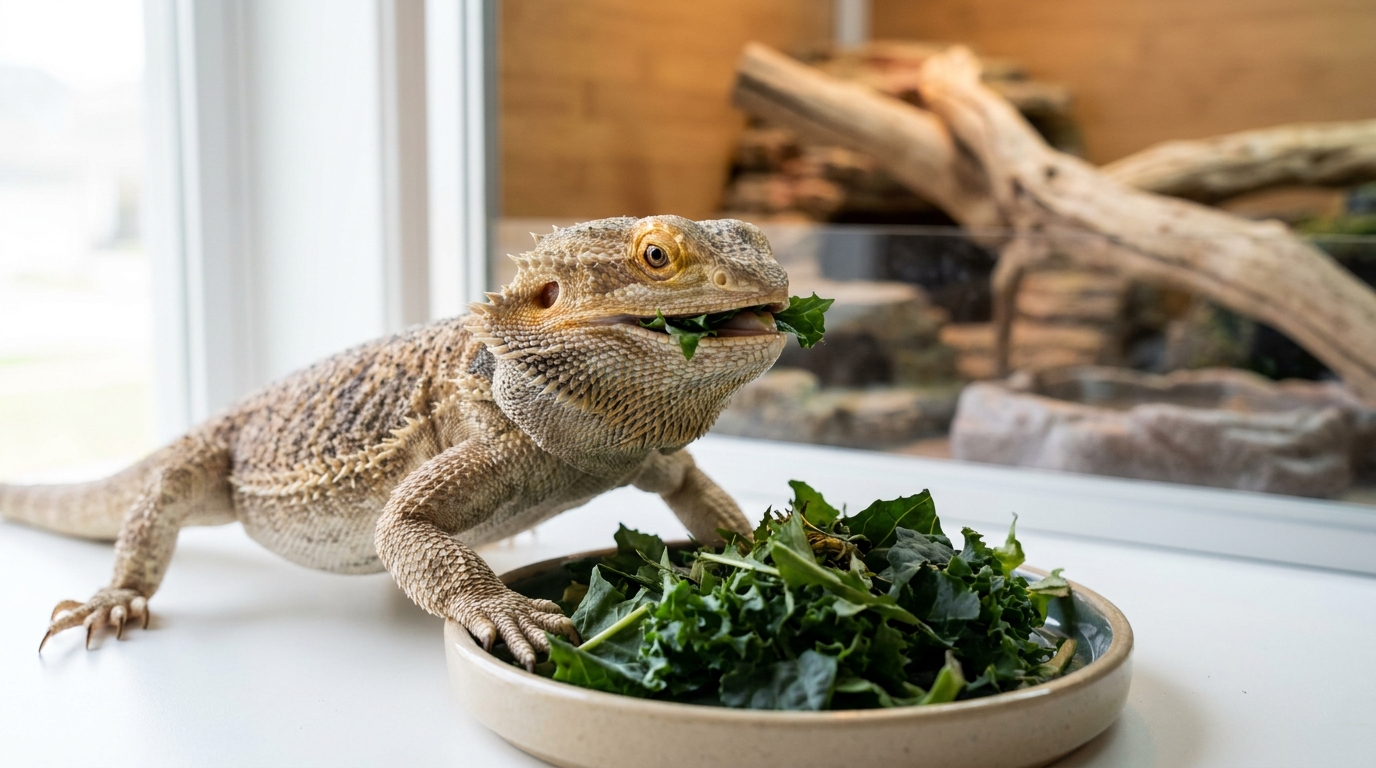
The poor nutrition: the nutrition should be the complete, the varied, the appropriate for the species. The malnutrition is the third most common cause of the immunosuppression.
The oral trauma: the rough food should be removed, the live prey that fights back should be replaced with the pre-killed prey, the rough decor should be removed from the enclosure.
The underlying disease: the underlying disease (the metabolic bone disease, the parasites, the respiratory infection) should be diagnosed and treated.
The prevention
The prevention of the mouth rot is the maintenance of the optimal husbandry, the optimal nutrition, and the regular oral exam. The specific measures:
The optimal temperature: the temperature gradient, the basking spot, the cool side, all in the optimal range for the species. The temperature should be measured with a digital thermometer, and the temperature should be checked daily.
The optimal humidity: the humidity in the optimal range for the species, measured with a digital hygrometer, checked daily.
The complete nutrition: the varied diet of the appropriate insects, the vegetables, the supplements. The supplementation with the calcium, the D3, the vitamins.
The regular oral exam: the weekly oral exam (looking at the gums, the saliva, the material) is the early detection. The reptile that is examined weekly is the reptile whose mouth rot is caught at the early stage.
The quarantine of the new reptiles: the new reptile is quarantined for 60-90 days, with the oral exam done on the arrival and at the end of the quarantine. The new reptile that has the mouth rot is the new reptile that is treated before the introduction to the existing collection.
The cases that warrant the immediate vet visit
The cases that warrant the immediate vet visit: the reptile with the swollen face, the discharge from the mouth, the bleeding from the mouth, the bone visible in the mouth, the loose teeth, the systemic signs (the lethargy, the weight loss, the refusal to eat for more than 2-3 days). The mild cases that are not responding to the home treatment within 3-5 days. The recurring cases that are not responding to the husbandry corrections.
The vet visit is essential for the moderate and the severe cases, and the vet visit is the right answer for the mild cases that are not responding to the home treatment. The owner who waits for the severe signs is the owner who has the more difficult and the more expensive treatment, and the owner who has the lower chance of the success.
The most important sentence in this article
The mouth rot is the most common infectious disease in captive reptiles, and the mouth rot is the most preventable. The early recognition (the increased saliva, the slight swelling, the small amount of the material) is the difference between the treatable and the untreatable. The treatment depends on the severity (the home treatment for the mild, the vet treatment for the moderate and the severe). The prevention is the optimal husbandry, the optimal nutrition, and the regular oral exam. The owner who runs the prevention is the owner who has the reptile without the mouth rot. The owner who catches the mouth rot early is the owner who has the reptile that survives. The prevention is the work. The prevention is what makes the difference.