
Brumation: why it happens and how to support breeding through the cool period
Brumation is the reptilian equivalent of hibernation, a period of reduced metabolic activity and reduced body temperature that many temperate reptile species go through during the cooler months. The bearded dragon that stops eating in November, the Russian tortoise that buries itself in the substrate in December, the corn snake that hides in the cool end of the enclosure for weeks at a time — these are reptiles entering brumation. The brumation is not optional; the brumation is a physiological necessity for the species that evolved in temperate climates with a seasonal temperature cycle. The reptile that is not allowed to brumate is the reptile that is missing a critical part of its annual cycle, and the reptile that is bred without the brumation period is the reptile that often has poor reproductive success. In this article I will walk through what brumation is at the physiological level, the species that need it, the protocol for safe brumation, the mistakes that kill reptiles during brumation, and the breeding connection that makes brumation a tool for the serious keeper.
What brumation is
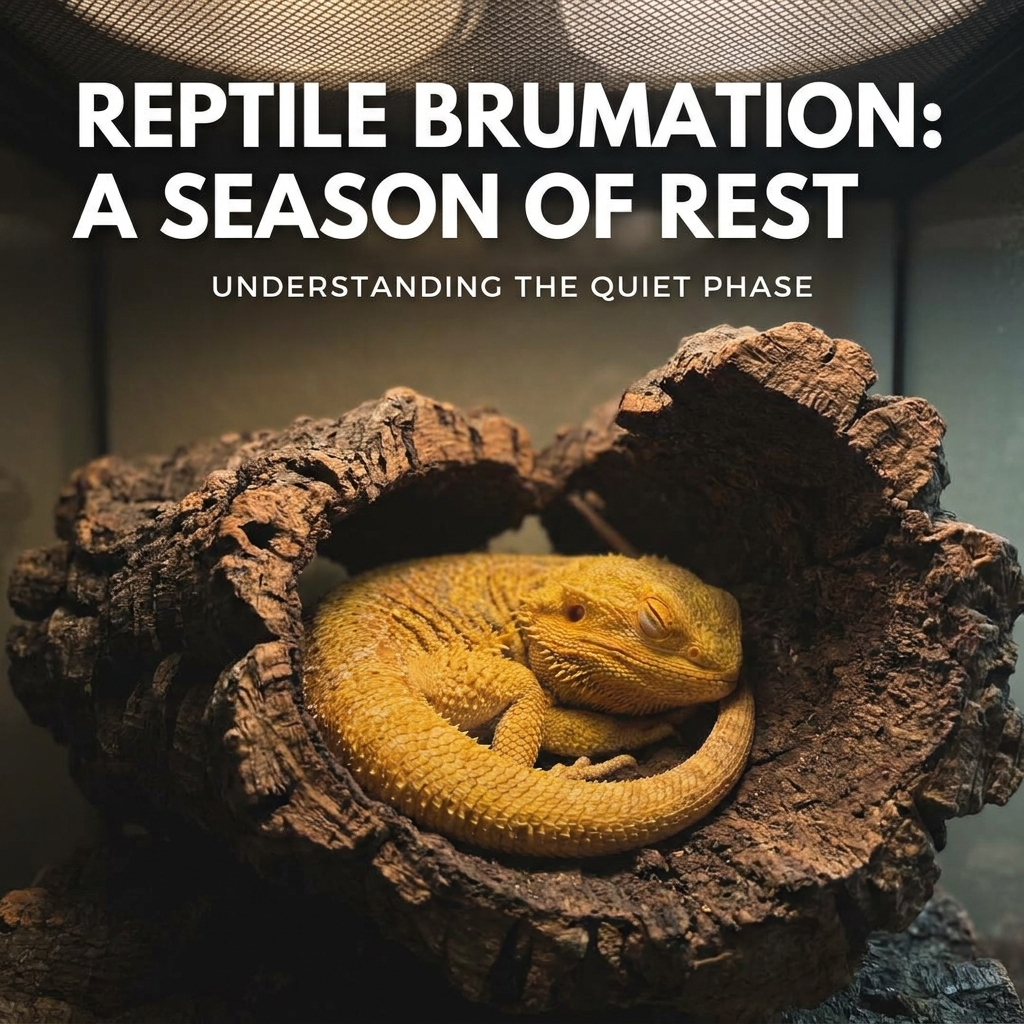
Brumation is a state of reduced metabolic activity in reptiles, characterized by decreased body temperature, decreased heart rate, decreased respiration, decreased digestion, and decreased activity. The reptile in brumation is not asleep in the mammalian sense; the reptile in brumation is in a state of reduced physiological activity that allows the reptile to survive periods of low temperature and low food availability. The reptile in brumation can be aroused by warming (unlike a hibernating mammal, which cannot be easily aroused), and the reptile in brumation will often drink water and occasionally move around during the brumation period.
The physiological drivers: the decreasing day length and the decreasing temperature trigger a cascade of hormonal changes in the reptile. The thyroid hormone decreases, the metabolism slows, the appetite decreases, the digestive system slows, and the reptile enters the brumation state. The brumation is not triggered by cold alone; the brumation is triggered by the combination of decreasing day length, decreasing temperature, and the internal hormonal cascade that the seasonal cues produce.
The duration: typically 6-12 weeks, depending on the species and the climate. The bearded dragon in a temperate climate brumates for 6-10 weeks, typically from November to February. The Russian tortoise brumates for 8-16 weeks, typically from October to March. The corn snake brumates for 8-12 weeks. The brumation ends as the day length and the temperature increase in the spring, and the reptile emerges from brumation with renewed appetite and breeding readiness.
The species that need it
The temperate species: the bearded dragon, the leopard gecko (some populations), the Russian tortoise, the Hermann's tortoise, the Greek tortoise, the marginated tortoise, the corn snake, the kingsnake, the milk snake, the gopher snake, the European lizard species. These species have evolved in temperate climates with a seasonal temperature cycle, and the brumation is a physiological necessity.
The species that do not need it: the tropical species that have evolved in climates without a seasonal temperature cycle. The leopard gecko from the Pakistani/Indian populations is a tropical species that does not need brumation, although some captive populations have been bred with the temperate brumation cycle. The crested gecko is a tropical species from New Caledonia that does not brumate. The panther chameleon is a tropical species that does not brumate. The African bullfrog is a tropical species that does not brumate. The brumation is a temperate adaptation, and the tropical species should not be forced into brumation.
The species that are intermediate: the bearded dragon is a temperate species, but the bearded dragon from the tropical northern Australian populations has a less pronounced brumation cycle than the bearded dragon from the temperate southern Australian populations. The breeder who is breeding bearded dragons should provide the brumation period regardless of the population origin, because the brumation is what triggers the breeding readiness.
The protocol for safe brumation
The brumation protocol has three phases: the pre-brumation health check, the gradual cooling, and the brumation period itself.
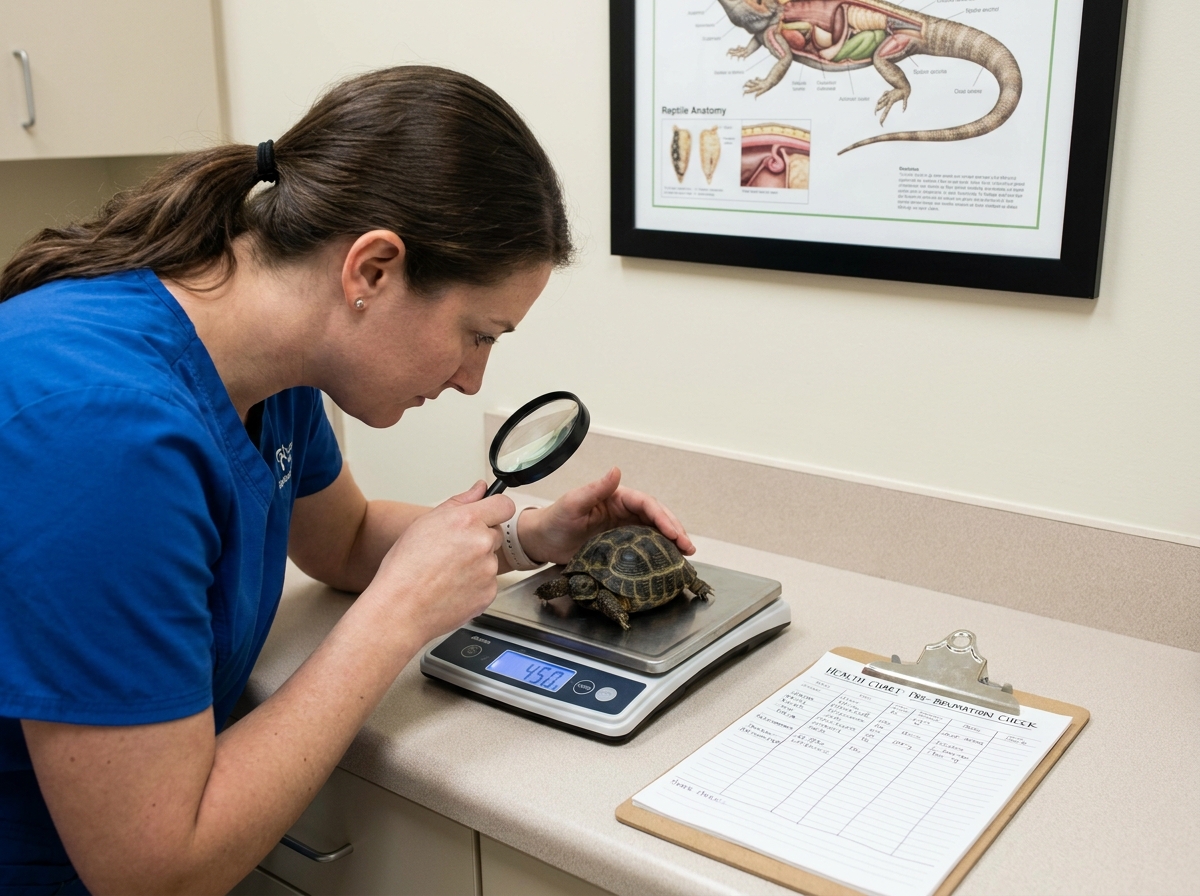
Pre-brumation health check (4-6 weeks before brumation). The reptile is taken to the vet for a full health check. The vet examines the reptile, weighs the reptile, checks the body condition, runs a fecal parasite screen, and ensures the reptile is healthy enough to brumate. The reptile that is underweight, parasitized, or sick is the reptile that should not brumate. The brumation on a sick reptile is a death sentence, because the reptile's suppressed metabolism cannot fight off the disease.
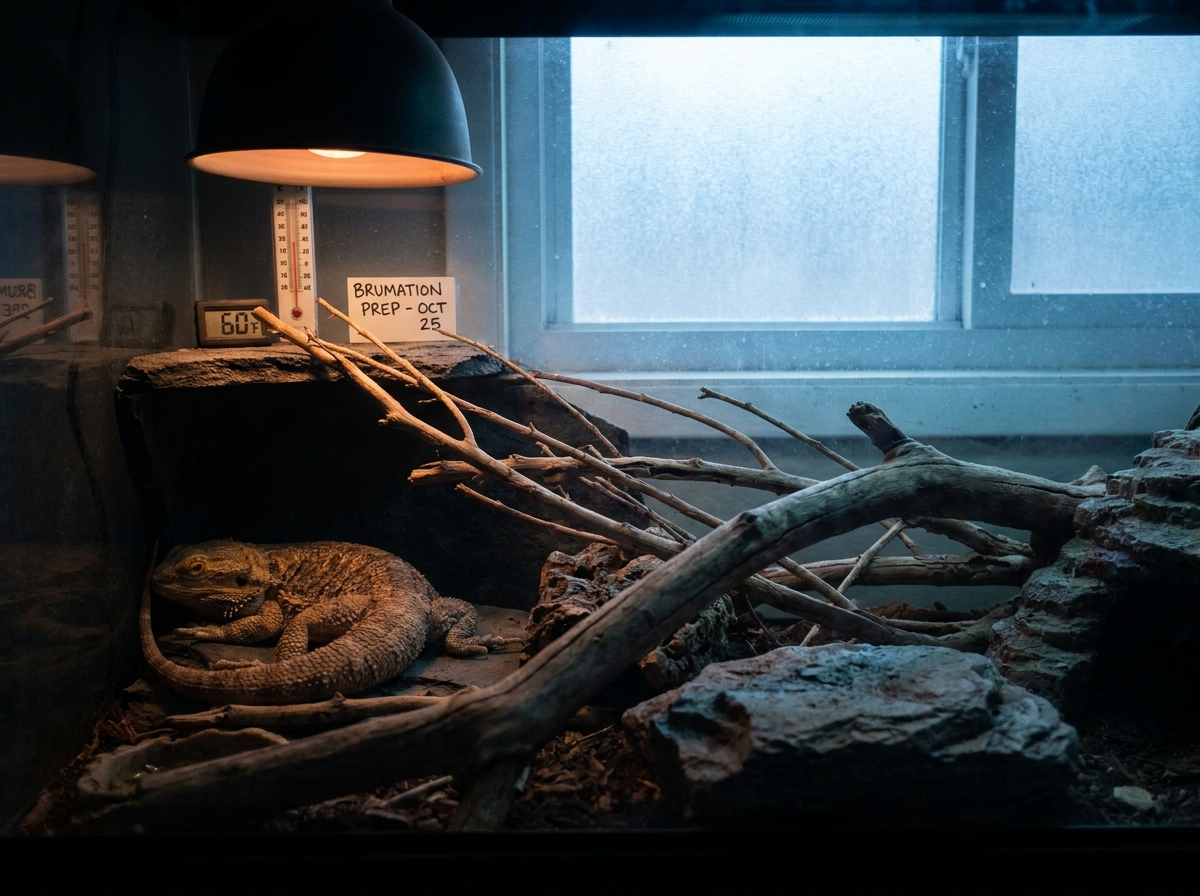
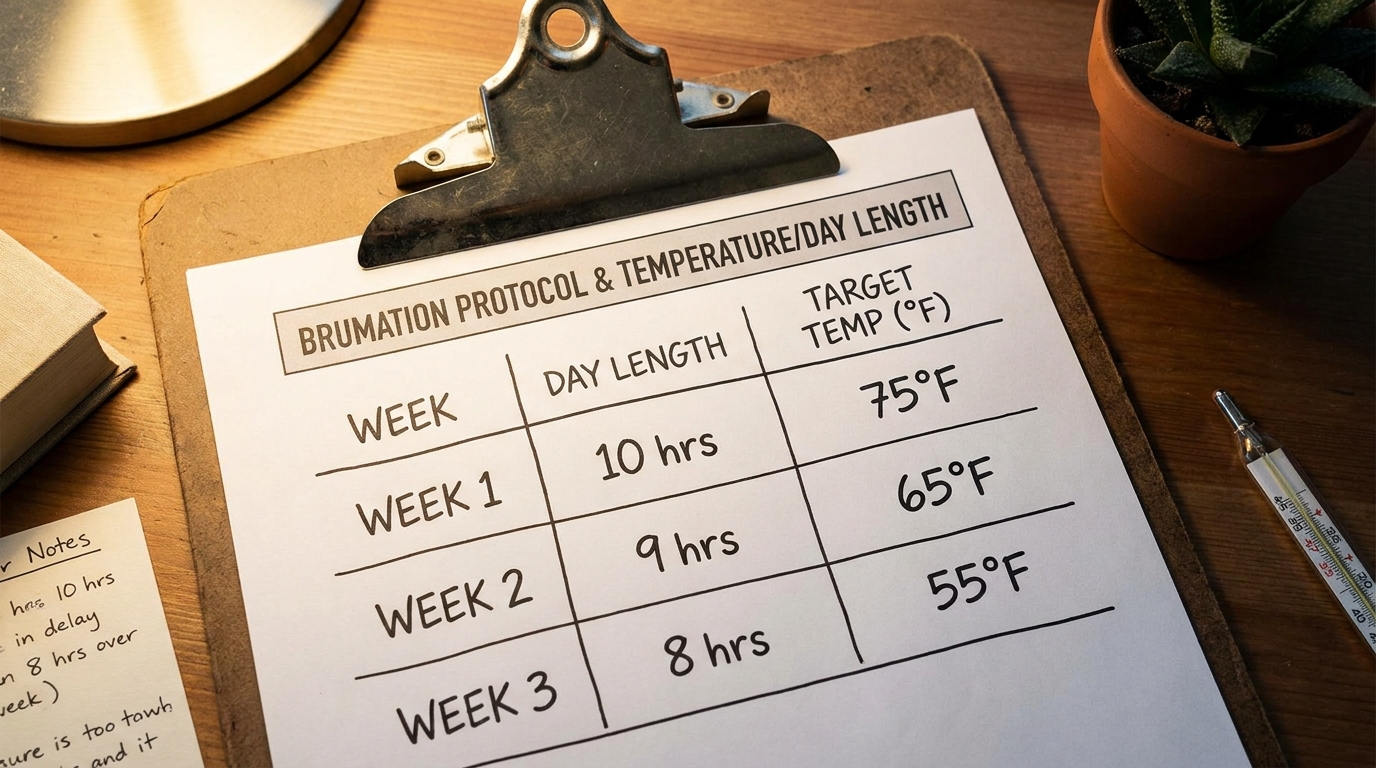
Gradual cooling (2-3 weeks). The day length is gradually reduced from 12-14 hours to 8 hours, and the temperature is gradually reduced from the normal summer range to the brumation range. For bearded dragons, the cooling is from 95-105°F basking to 65-75°F ambient. For Russian tortoises, the cooling is from 85-95°F basking to 40-50°F ambient. The cooling is gradual, not sudden, to allow the reptile's metabolism to adjust.
Brumation period (6-12 weeks). The reptile is kept at the brumation temperature, with water available, with a hide, and with minimal disturbance. The reptile is checked weekly for weight loss (more than 10% body weight loss warrants waking the reptile up) and for signs of illness. The reptile is not fed during brumation, because the digestive system is not active. The reptile is offered water, and many reptiles will drink during brumation.
The mistakes that kill reptiles during brumation
The first mistake is brumating a sick reptile. The reptile that has an undiagnosed infection, a parasite load, or a body condition score below ideal is the reptile that does not survive the brumation. The pre-brumation health check is the safety net that catches these reptiles. The reptile that passes the health check is the reptile that is healthy enough to brumate.
The second mistake is sudden cooling. The reptile that is suddenly moved from a 90°F enclosure to a 50°F enclosure is the reptile that goes into shock, that cannot adjust its metabolism, and that may die. The gradual cooling is the safety net. The reptile that cools over 2-3 weeks is the reptile that can adjust.
The third mistake is feeding during brumation. The reptile that is fed during brumation cannot digest the food, and the undigested food in the gut rots, produces gas, and causes bacterial infection. The reptile that is not fed during brumation is the reptile that has an empty gut and no risk of food rotting.
The fourth mistake is inadequate hydration. The reptile that is brumated without water is the reptile that becomes dehydrated during the brumation period, and the dehydration can be severe enough to cause kidney damage. The water should be available at all times, and the water should be checked regularly for cleanliness.
The fifth mistake is waking the reptile up to handle it. The reptile that is repeatedly woken up during brumation is the reptile that cannot fully enter the brumation state, and the reptile that is not in the full brumation state is the reptile that does not get the physiological benefits. The reptile that is left alone is the reptile that brumates properly.
The breeding connection
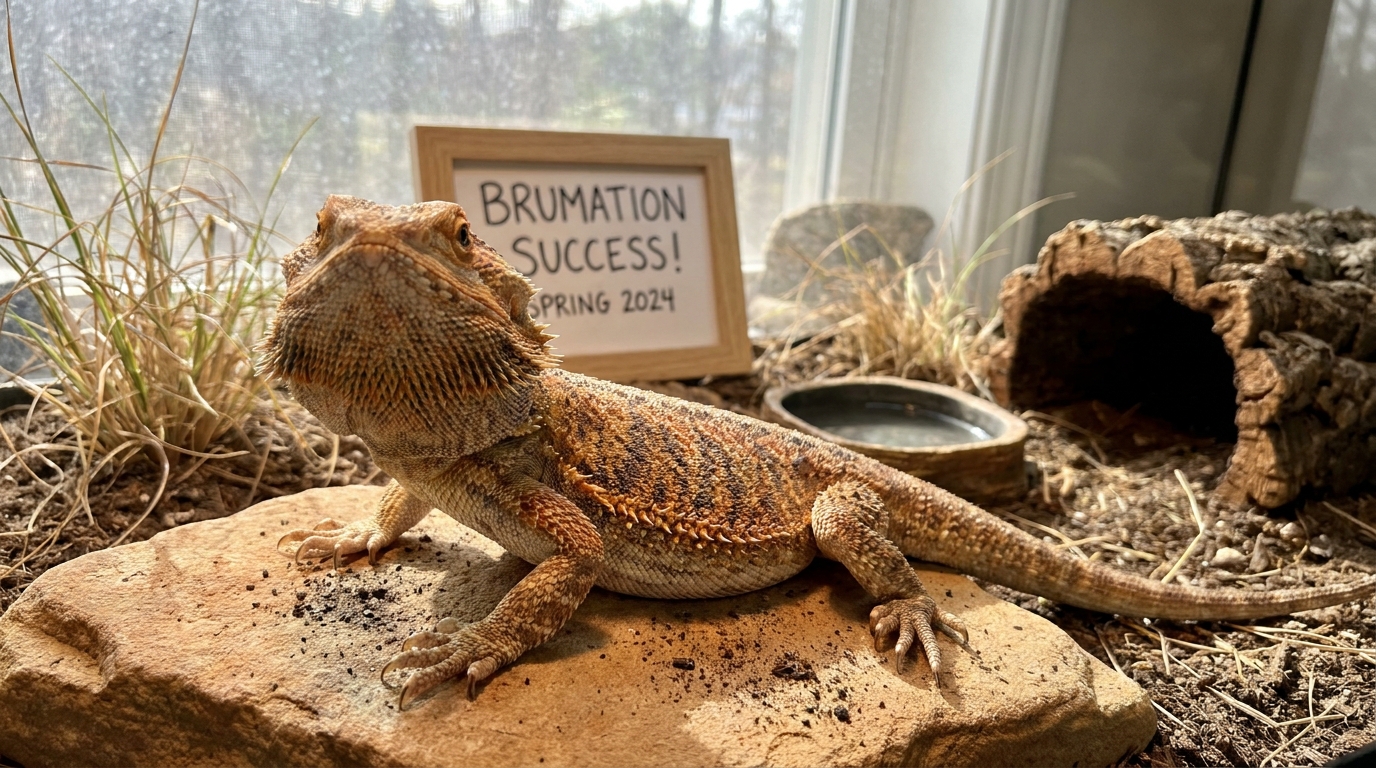
The brumation is what triggers the breeding readiness in many temperate reptile species. The male bearded dragon that emerges from brumation has increased testosterone and is ready to breed. The female Russian tortoise that emerges from brumation has developed follicles and is ready to breed. The corn snake that emerges from brumation has developed sperm (in the male) and follicles (in the female) and is ready to breed.
The breeder who does not brumate the breeding stock is the breeder whose animals do not breed reliably. The bearded dragon that is kept warm all year round may breed occasionally, but the bearded dragon that is brumated for 8-10 weeks breeds readily in the spring. The Russian tortoise that is not brumated may produce a few eggs, but the Russian tortoise that is brumated produces a full clutch. The corn snake that is not brumated may skip a breeding season, but the corn snake that is brumated breeds every year.
The breeding protocol: brumate the adults for 8-10 weeks, then warm them up over 2-3 weeks, then begin breeding introductions. The brumation triggers the breeding readiness, the warming triggers the breeding behavior, and the introductions produce the eggs. The cycle is predictable and the cycle is what makes the breeding program work.
The waking-up protocol
The waking-up protocol: gradually increase the day length from 8 hours to 12-14 hours over 2 weeks, and gradually increase the temperature from the brumation range to the summer range over 2 weeks. The reptile emerges from brumation, starts drinking, and within a few days starts eating. The first meals should be small and easily digestible, with the regular feeding resumed after 1-2 weeks.
The reptile that does not eat within 2 weeks of waking is a reptile that needs a vet visit. The brumation can suppress the immune system and can reactivate latent infections, and the reptile that is not eating is the reptile that may be ill.
The honest summary
Brumation is a physiological necessity for temperate reptile species, and the brumation is what triggers breeding readiness. The protocol: pre-brumation health check, gradual cooling, 6-12 weeks at the brumation temperature with water available and no food, then gradual warming. The mistakes that kill reptiles during brumation: brumating a sick reptile, sudden cooling, feeding during brumation, inadequate hydration, and disturbing the reptile. The breeder who runs the protocol is the breeder whose animals breed reliably. The keeper who is afraid of brumation is the keeper whose animals are missing a critical part of their annual cycle. The brumation is the work. The brumation is what produces healthy, breeding-ready reptiles.