
Prescription diets vs maintenance diets: what's actually different in the bag
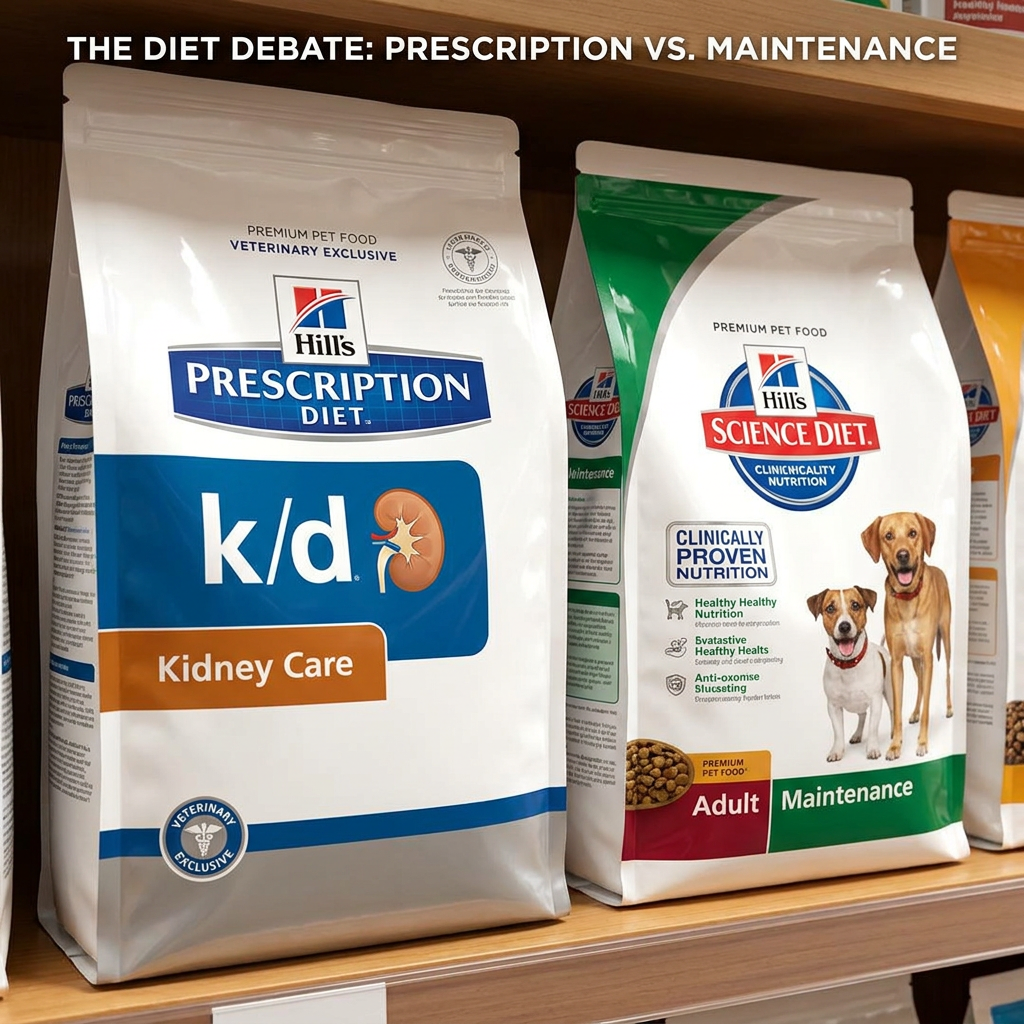
The pet food aisle has two categories of diets that the owner can choose: the maintenance diet (the over-the-counter diet that the pet store sells) and the prescription diet (the diet that the vet sells, with the active intervention for a specific medical condition). The two diets look similar on the shelf, and the two diets are often similarly priced. The two diets are not the same, and the two diets are not interchangeable. The maintenance diet is the diet for the healthy pet. The prescription diet is the diet for the pet with the medical condition. The owner who feeds the maintenance diet to the pet with the medical condition is the owner who is missing the therapeutic benefit. The owner who feeds the prescription diet to the healthy pet is the owner who is over-supplementing and may be causing harm. In this article I will walk through the differences between the two, the AAFCO labeling, the specific prescription diets and what they treat, the situations where each is the right choice, and the mistakes that owners make.
The AAFCO labeling: the maintenance standard
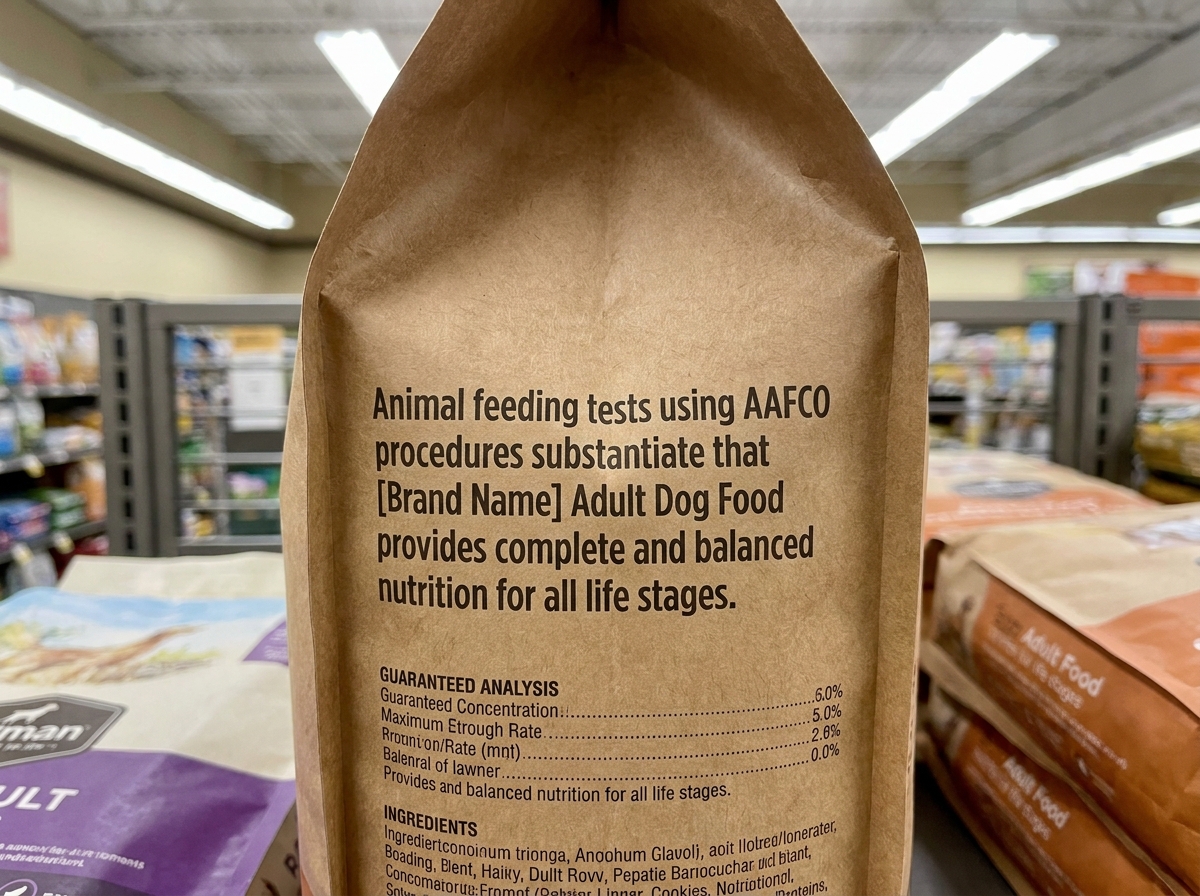
The maintenance diet is the diet that meets the AAFCO statement of "complete and balanced" for the specific life stage (maintenance, growth, all life stages). The AAFCO statement is the regulatory requirement that the diet provides the complete nutrition for the pet at the specific life stage, and the AAFCO statement is what the owner looks for on the label.
The AAFCO statement can take two forms: the "complete and balanced" statement (which means the diet meets the AAFCO nutrient profiles for the specific life stage) or the "feeding trial" statement (which means the diet has been through an AAFCO-approved feeding trial that demonstrates the diet supports the specific life stage). The feeding trial statement is the more rigorous statement, and the feeding trial statement is the more meaningful guarantee of the nutritional adequacy.
The maintenance diet that meets the AAFCO statement is the diet that is appropriate for the healthy pet at the specific life stage. The maintenance diet is not appropriate for the pet with a medical condition, because the maintenance diet does not have the specific nutrient modifications (the reduced sodium, the reduced protein, the reduced phosphorus, the increased fiber, the added supplements) that the medical condition requires.
The prescription diet: the therapeutic intervention
The prescription diet is the diet that is formulated for the specific medical condition, with the specific nutrient modifications that are the therapeutic intervention. The prescription diet is sold through the vet (or through the vet-authorized online retailer), and the prescription diet is only available with the vet's authorization. The prescription diet is more expensive than the maintenance diet, and the prescription diet is the diet that the vet recommends for the specific patient.
The prescription diets are formulated by the major veterinary diet manufacturers (Hill's Prescription Diet, Royal Canin Veterinary Diet, Purina Pro Plan Veterinary Diets) and the prescription diets are based on the published research on the nutritional management of the specific conditions. The prescription diets are not the "premium" versions of the maintenance diets; the prescription diets are the specific formulations that are designed to treat the specific conditions.
The most common prescription diets and the conditions they treat:
The renal diets (Hill's k/d, Royal Canin Renal, Purina NF). The diets for the kidney disease. The modifications: reduced phosphorus, reduced protein, increased omega-3 fatty acids, added B vitamins (to compensate for the urinary loss). The therapeutic effect: reduced progression of the kidney disease, reduced uremic symptoms, longer survival.
The cardiac diets (Hill's h/d, Royal Canin Cardiac, Purina CardioCare). The diets for the heart disease. The modifications: reduced sodium, increased taurine, increased carnitine, increased B vitamins. The therapeutic effect: reduced cardiac workload, reduced fluid retention, longer survival.
The urinary diets (Hill's c/d, Royal Canin Urinary SO, Purina UR). The diets for the lower urinary tract disease (the struvite stones, the calcium oxalate stones, the feline lower urinary tract disease). The modifications: controlled magnesium, controlled phosphorus, controlled calcium, added urine acidifier or alkalizer depending on the stone type, increased water intake. The therapeutic effect: dissolution of the struvite stones, prevention of the calcium oxalate stones, prevention of the urethral obstruction.
The gastrointestinal diets (Hill's i/d, Royal Canin Gastrointestinal, Purina EN). The diets for the gastrointestinal disease (the acute diarrhea, the chronic enteritis, the food sensitivity, the pancreatitis). The modifications: highly digestible protein, low fat (for the pancreatitis), added prebiotics, added probiotics (in some formulations), modified fiber. The therapeutic effect: reduced gastrointestinal symptoms, faster recovery from the acute episodes, support for the chronic conditions.
The weight-loss diets (Hill's r/d, Royal Canin Satiety, Purina OM). The diets for the obesity. The modifications: reduced caloric density, increased fiber (to promote the satiety), increased protein (to maintain the muscle mass), added L-carnitine (to support the fat metabolism). The therapeutic effect: the safe and effective weight loss (1-2% of body weight per week), the maintenance of the muscle mass during the weight loss.
The hypoallergenic diets (Hill's z/d, Royal Canin Hypoallergenic, Purina HA). The diets for the food allergy. The modifications: hydrolyzed protein (the proteins broken into fragments too small for the immune system to recognize), single carbohydrate source, no artificial additives. The therapeutic effect: elimination of the food allergy symptoms (the itching, the gastrointestinal symptoms), the diagnostic tool for the food allergy.
The joint diets (Hill's j/d, Royal Canin Mobility, Purina JM). The diets for the arthritis. The modifications: added omega-3 fatty acids (the anti-inflammatory), added glucosamine and chondroitin (the joint support), added antioxidants, controlled calories (to prevent the weight gain that worsens the arthritis). The therapeutic effect: reduced joint inflammation, improved mobility, support for the joint health.
The diabetic diets (Hill's m/d, Royal Canin Diabetic, Purina DM). The diets for the diabetes mellitus. The modifications: complex carbohydrates (to slow the glucose absorption), high fiber (to further slow the glucose absorption), high protein (to maintain the muscle mass), low fat. The therapeutic effect: better glycemic control, reduced insulin requirements, more stable blood glucose.
The differences in the formulation
The prescription diets are formulated with the specific nutrient modifications, but the formulations are not just the simple reductions or additions. The formulations are the result of the research that balances the multiple nutrient modifications to produce the diet that supports the specific condition without causing the other nutrient deficiencies. The renal diet, for example, has the reduced phosphorus AND the reduced protein AND the increased omega-3 AND the added B vitamins, and the balance of these four modifications is what produces the therapeutic effect. The renal diet that is just the reduced phosphorus (without the other modifications) is not the renal diet.
The prescription diets are also formulated for the palatability. The diet that is therapeutic but the pet refuses to eat is the diet that is not effective. The prescription diet manufacturers invest heavily in the palatability research, and the prescription diets are formulated to be palatable even for the pets that are feeling ill. The pet that is eating the prescription diet is the pet that is receiving the therapeutic benefit. The pet that refuses to eat the prescription diet is the pet that is not receiving the benefit, and the vet may need to try a different formulation or a different manufacturer.
The situations where each is the right choice
The maintenance diet is the right choice for: the healthy pet at any life stage, the pet without a medical condition, the pet that is on the prescription diet but has been weaned off by the vet, the pet that is on the prescription diet for a short-term condition (the post-surgery recovery, the temporary gastrointestinal upset) and is now ready to transition back to the maintenance.
The prescription diet is the right choice for: the pet with the medical condition that is being managed by the prescription diet, the pet that is in the acute phase of the condition (the acute kidney injury, the acute heart failure), the pet that is in the chronic phase of the condition (the chronic kidney disease, the chronic heart disease), the pet that is on the prescription diet for the long-term management (the long-term weight loss, the long-term food allergy management).
The maintenance diet is not the right choice for: the pet with the active medical condition that is not being managed by the diet. The maintenance diet does not have the specific nutrient modifications, and the maintenance diet is not the therapeutic intervention for the medical condition.
The prescription diet is not the right choice for: the healthy pet that does not have the medical condition. The prescription diet is over-supplemented, and the over-supplementation can cause the nutrient imbalances (the excess sodium in the cardiac diet can cause the heart issues in the healthy pet, the excess fiber in the weight-loss diet can cause the gastrointestinal upset in the healthy pet).
The mistakes that owners make
The self-prescribing. The owner who reads about the prescription diet online and starts the pet on the diet without the vet's authorization is the owner who is making a medical decision without the medical training. The prescription diet is the medical intervention, and the medical intervention requires the medical supervision. The self-prescribing is the mistake that can cause the delayed diagnosis, the inappropriate treatment, and the worsening of the condition.
The mixing of the prescription and the maintenance. The owner who mixes the prescription diet with the maintenance diet "to save money" is the owner who is diluting the therapeutic effect. The mixed diet is not the prescription diet, and the mixed diet is not the maintenance diet. The mixed diet is a new diet that is neither therapeutic nor maintenance.
The stopping of the prescription diet when the pet "looks better." The owner who stops the prescription diet when the pet looks better is the owner who is stopping the treatment before the condition is fully managed. The chronic conditions (the kidney disease, the heart disease, the diabetes) require the long-term management, and the long-term management includes the prescription diet. The pet that "looks better" is the pet that is responding to the treatment, and the response is the reason to continue the treatment.
The assuming that the premium maintenance diet is the same as the prescription diet. The owner who buys the premium maintenance diet and assumes that the premium is the same as the prescription is the owner who is missing the therapeutic benefit. The premium maintenance diet is the maintenance diet with the higher-quality ingredients, and the higher-quality ingredients do not provide the specific therapeutic modifications that the prescription diet provides.
The one-page summary
The maintenance diet is the diet for the healthy pet, and the prescription diet is the diet for the pet with the medical condition. The two are not interchangeable. The AAFCO statement of "complete and balanced" is the standard for the maintenance diet. The specific nutrient modifications are the standard for the prescription diet. The owner who uses the right diet for the right pet is the owner who gives the pet the right nutrition. The owner who uses the wrong diet is the owner who gives the pet the wrong treatment. The right diet is the work. The right diet is what makes the difference.