
High-quality protein sources: how to read a label and what the ingredient order actually means
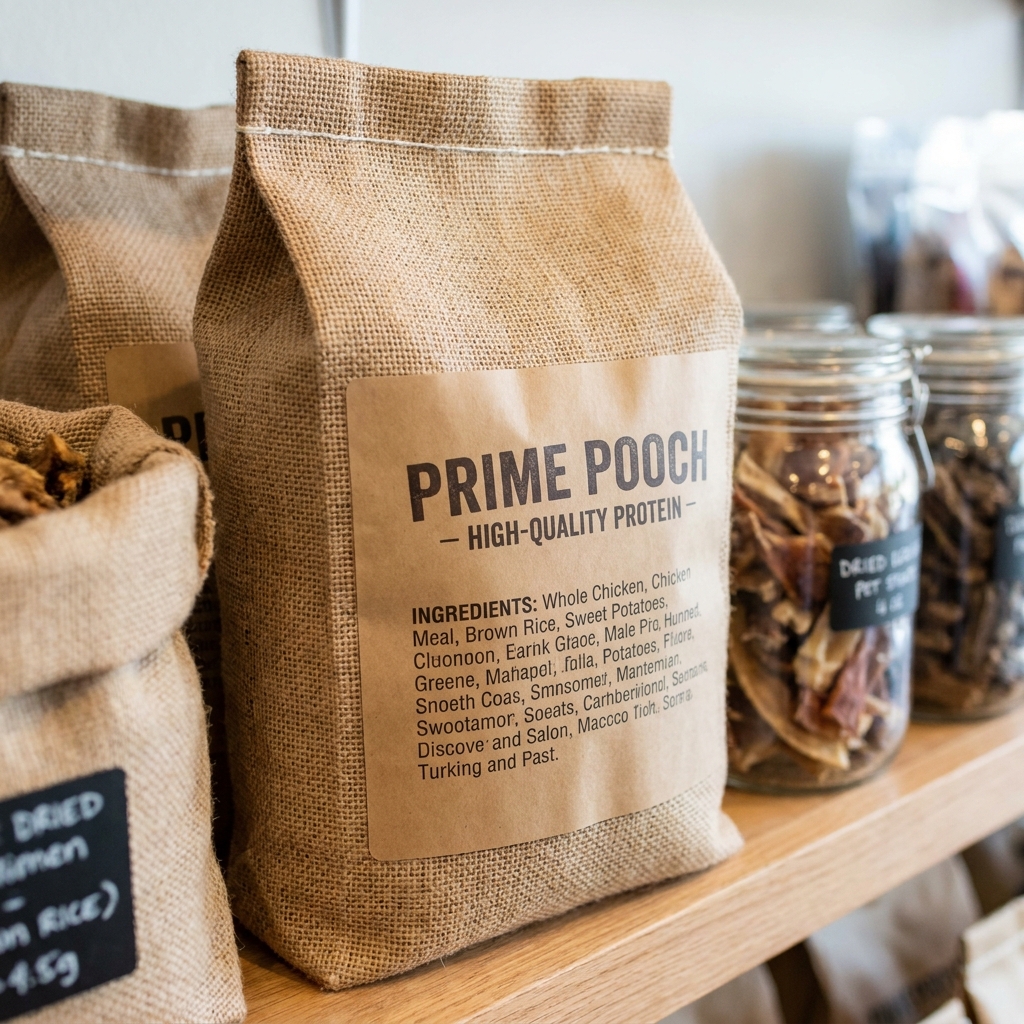
The ingredient list on a dog or cat food is the most important piece of information on the label, and the ingredient list is the piece of information that the owner most often misinterprets. The owner who sees "chicken" as the first ingredient assumes the food is high in chicken. The owner who sees "chicken meal" as the second ingredient assumes the food is high in chicken meal. The owner who sees "meat by-products" assumes the food is low-quality. Each of these interpretations is partially correct, and each is partially wrong. The ingredient list has rules (defined by the AAFCO in the United States and the FEDIAF in Europe), and the rules determine what the ingredient list actually means. In this article I will walk through the AAFCO ingredient rules, the order of the ingredients, the named protein vs. the generic protein, the meal vs. the fresh meat, the by-product vs. the named ingredient, the digestibility, the guaranteed analysis, and the practical recommendations for the owner who is reading the label.
The AAFCO ingredient rules
The AAFCO (Association of American Feed Control Officials) defines the rules for the pet food labels in the United States. The rules determine what the ingredient list looks like, what the ingredient names must be, what the ingredient order is, and what the guaranteed analysis must include. The rules are enforced by the state feed control officials, and the rules are what the manufacturer must follow to sell the pet food in the United States.
The key rules:
The ingredients are listed in descending order of weight. The first ingredient is the ingredient that is the heaviest in the food, and the last ingredient is the ingredient that is the lightest. The order is by the weight before the cooking, not by the weight after the cooking. The chicken that is 70% water (the fresh chicken) is heavier than the chicken meal that is 10% water (the dried chicken), but the fresh chicken contributes less protein to the finished food than the chicken meal. The owner who assumes the first ingredient is the most important ingredient by the protein content is the owner who misinterprets the list.
The ingredients must be named specifically. The ingredient that is from a single animal source must be named after that animal (chicken, beef, lamb, salmon). The ingredient that is from multiple animal sources can be named after the species (meat, poultry, fish). The ingredient that is from the animal parts other than the muscle (the organs, the bones, the blood) can be named "by-products" or specifically (liver, kidney, heart).
The ingredient that is the "meal" is the dried version. The chicken meal is the chicken that has been cooked, the water has been removed, and the protein has been concentrated. The chicken meal is typically 60-65% protein, compared to the fresh chicken that is 18-20% protein. The chicken meal is more protein-dense than the fresh chicken, and the chicken meal is the more efficient source of the protein in the finished food.
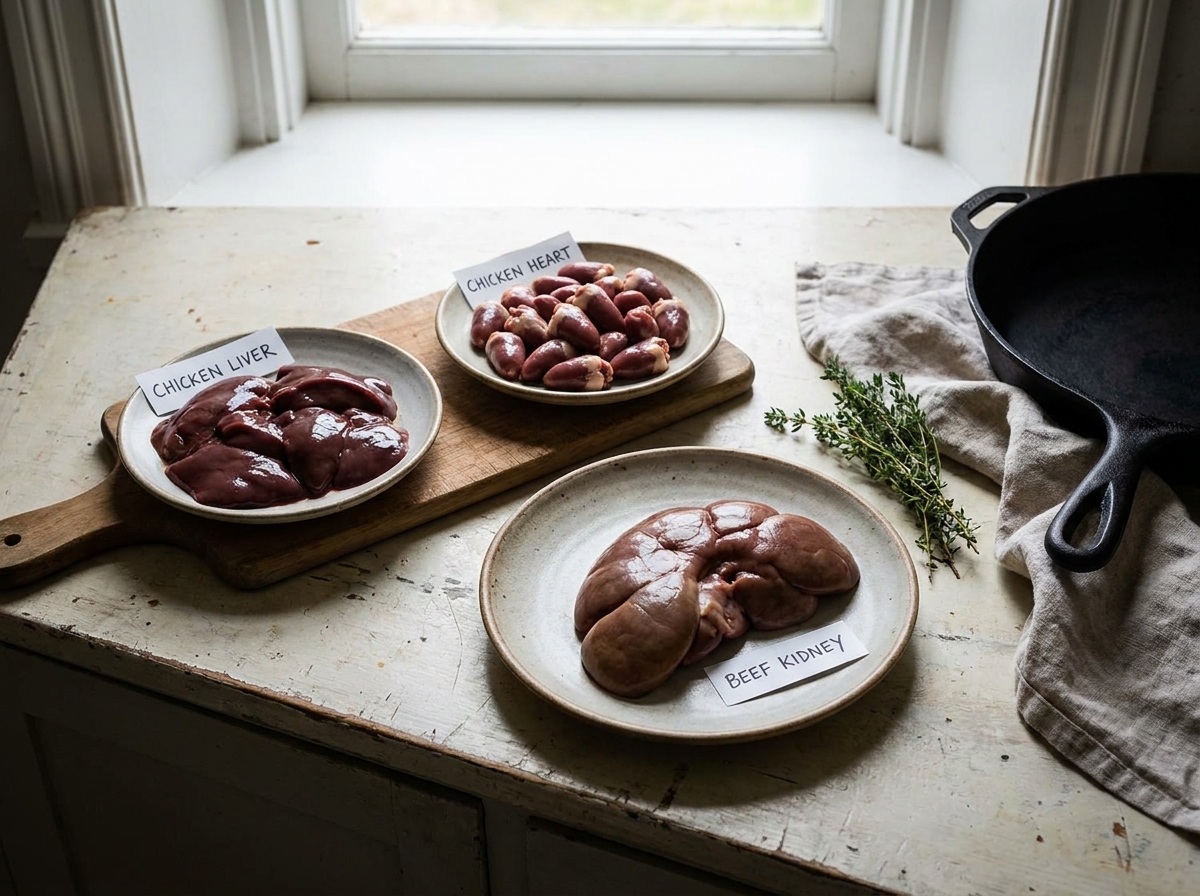
The ingredient that is the "by-product" is the parts of the animal other than the muscle. The chicken by-products are the organs (liver, heart, kidney, gizzard), the bones, the blood, and the connective tissue. The chicken by-products are nutritionally valuable, and the chicken by-products are often more nutrient-dense than the chicken muscle. The chicken by-products are the traditional human food in many cultures, and the chicken by-products are the traditional pet food in the commercial kibble.
The named protein vs. the generic protein
The named protein (chicken, beef, lamb, salmon) is the protein from a specific animal source. The named protein is preferred over the generic protein (meat, poultry, fish) because the named protein is what the owner expects, and the named protein is what the owner has researched.
The generic protein (meat, poultry, fish) is the protein from a combination of animal sources. The "meat" can be beef, pork, lamb, or any other mammal, and the manufacturer does not have to specify which. The "poultry" can be chicken, turkey, duck, or any other poultry, and the manufacturer does not have to specify which. The generic protein is often less expensive than the named protein, and the generic protein is often the source of the lower-quality foods.
The recommendation: the named protein is preferred for the pet with a food sensitivity (the owner needs to know the specific protein to avoid), and the named protein is preferred for the pet with the strong preferences (the dog or cat that prefers one protein over the other). The generic protein is acceptable for the pet without the specific needs, and the generic protein is often the more affordable option.
The meal vs. the fresh meat
The fresh meat (chicken, beef, lamb) is 60-70% water, and the fresh meat contributes 18-25% protein on the as-fed basis (before the water is removed). The meal (chicken meal, beef meal, lamb meal) is 5-10% water, and the meal contributes 50-65% protein on the as-fed basis. The meal is the more concentrated source of the protein, and the meal is the more efficient source of the protein in the finished food.
The owner who sees "chicken" as the first ingredient and assumes the food is high in chicken protein is the owner who is misled by the as-fed weight. The chicken that is 70% water contributes 30% of its weight as the protein to the food (after the water is removed), and the chicken meal that is 10% water contributes 100% of its weight as the protein to the food. A food that has "chicken" as the first ingredient and "chicken meal" as the second ingredient is often a food that is higher in the chicken meal than in the chicken, once the water is removed.
The recommendation: the food that has the named fresh meat as the first ingredient and the named meal as the second or third ingredient is the high-quality food. The food that has the generic meat as the first ingredient and the generic meal as the second is the lower-quality food.
The by-product vs. the named ingredient
The by-product is the parts of the animal other than the muscle. The chicken by-products include the liver, the heart, the kidney, the gizzard, the spleen, the brain, the bones, the blood, the connective tissue. The by-products are nutritionally valuable, and the by-products are often more nutrient-dense than the muscle meat. The chicken liver is the richest source of the vitamin A, the iron, and the copper in the animal. The chicken heart is a rich source of the taurine (essential for the cats). The chicken kidney is a rich source of the B vitamins.
The "by-products" or "by-product" in the ingredient list is the catch-all term for these parts. The "chicken by-products" are the by-products from the chicken, and the "meat by-products" are the by-products from a combination of the mammals. The by-products are not the same as the "fillers" or the "low-quality" ingredients — the by-products are the high-quality, nutrient-dense ingredients that the commercial kibble uses to provide the complete nutrition.
The recommendation: the food that has the chicken by-products or the named organ meats (liver, heart, kidney) is the high-quality food. The food that has only the muscle meat (chicken, beef) is the lower-quality food (because the muscle meat is the less nutrient-dense part of the animal). The owner who avoids the "by-products" based on the name alone is the owner who is missing the higher-quality nutrition.
The digestibility
The digestibility is the percentage of the food that the dog or cat absorbs from the gut. The high-quality protein is the protein that is 85%+ digestible, and the low-quality protein is the protein that is 70% or less digestible. The digestibility is not on the label, but the digestibility is the best measure of the protein quality.
The high-digestibility proteins: the chicken meal (90%+), the lamb meal (88%+), the salmon meal (88%+), the egg (95%+), the whey (95%+). The medium-digestibility proteins: the chicken by-products (80-85%), the beef (80-85%), the soybean meal (75-80%). The low-digestibility proteins: the corn gluten meal (65-75%), the wheat gluten (70-80%), the pea protein (70-80%).
The recommendation: the food that has the high-digestibility proteins as the primary ingredients is the high-quality food. The food that has the low-digestibility proteins as the primary ingredients is the lower-quality food.
The guaranteed analysis
The guaranteed analysis is the second piece of information on the label, and the guaranteed analysis is the minimum percentage of the crude protein and the crude fat, and the maximum percentage of the crude fiber and the moisture. The guaranteed analysis is what the manufacturer must guarantee, and the guaranteed analysis is what the state feed control officials can test.
The interpretation: the guaranteed analysis is the as-fed basis, not the dry matter basis. The "crude protein 25%" on the as-fed basis is the "crude protein 27%" on the dry matter basis (after the moisture is removed). The owner who is comparing the protein content of the two foods should compare on the dry matter basis, not the as-fed basis.
The recommendation: the adult dog food should have a minimum of 18% crude protein on the dry matter basis, and the adult cat food should have a minimum of 26% crude protein on the dry matter basis. The puppy food and the kitten food should have a minimum of 22% and 30%, respectively. The senior food and the weight-loss food should have a minimum of 25% and 30%, respectively, to prevent the muscle loss.
The practical recommendations
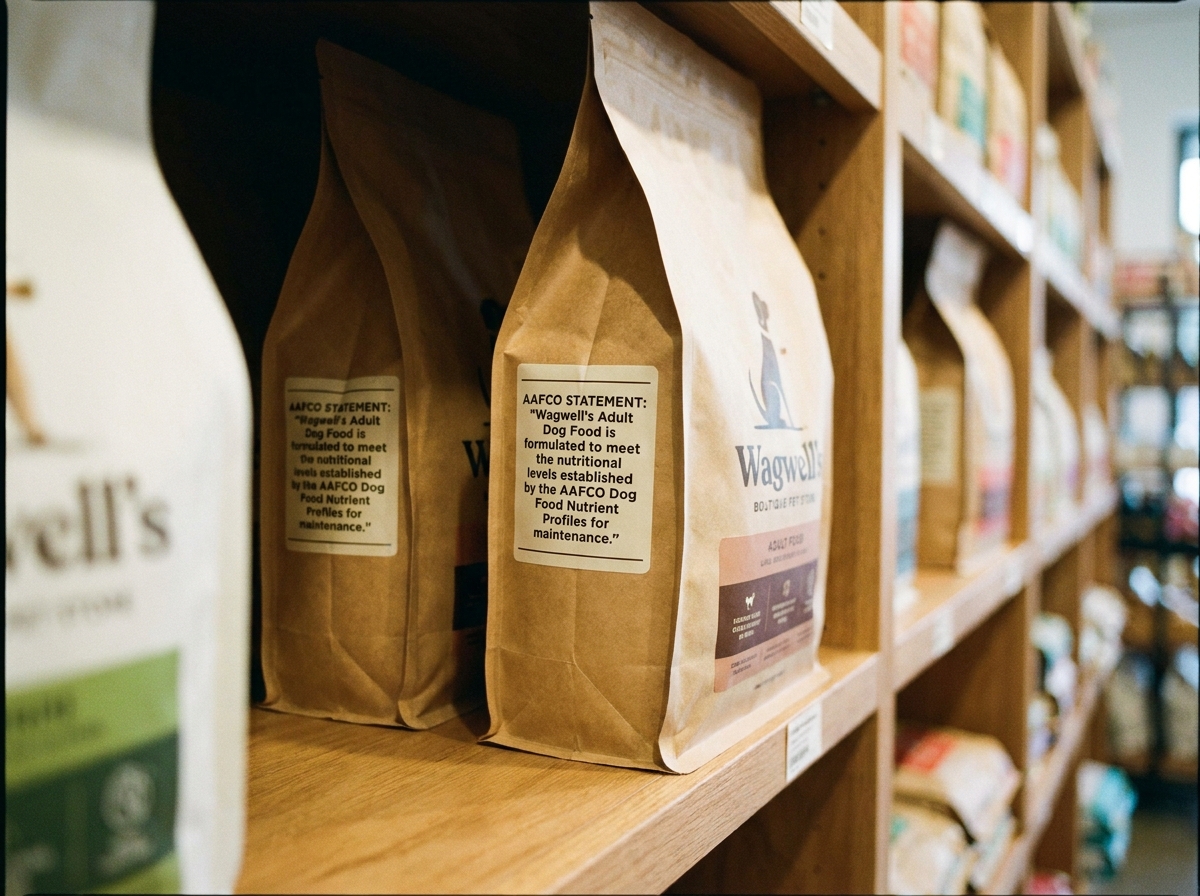
The food that meets all the criteria of the high-quality food: the named fresh meat as the first ingredient, the named meal as the second or third ingredient, the high-digestibility protein, the by-products or the named organ meats, the guaranteed analysis of 25%+ crude protein on the dry matter basis, the AAFCO statement of "complete and balanced" for the specific life stage. The food that meets these criteria is the food that the pet owner can feed with the confidence that the food is providing the complete, high-quality nutrition.
The food that does not meet the criteria: the generic protein as the first ingredient, the by-product meal as the first ingredient, the low-digestibility protein, the absence of the named organ meat, the guaranteed analysis of less than 20% crude protein on the dry matter basis. The food that does not meet the criteria is the food that the pet owner should consider the lower-quality option, and the lower-quality option is the food that is often the more affordable option but the less optimal option for the long-term health.
The one-page summary
The ingredient list has rules, and the rules determine what the ingredient list means. The named protein is preferred over the generic. The meal is the concentrated protein, and the meal is often the more important ingredient than the fresh meat. The by-products are the high-quality, nutrient-dense ingredients, and the by-products are not the low-quality "fillers." The high-digestibility proteins are the better sources of the protein, and the high-digestibility proteins are the chicken meal, the lamb meal, the salmon meal, the egg, and the whey. The guaranteed analysis is the as-fed basis, and the guaranteed analysis should be compared on the dry matter basis. The owner who reads the label with the rules in mind is the owner who chooses the high-quality food. The owner who reads the label with the misconceptions is the owner who chooses the lower-quality food. The knowledge is the work. The knowledge is what makes the difference.