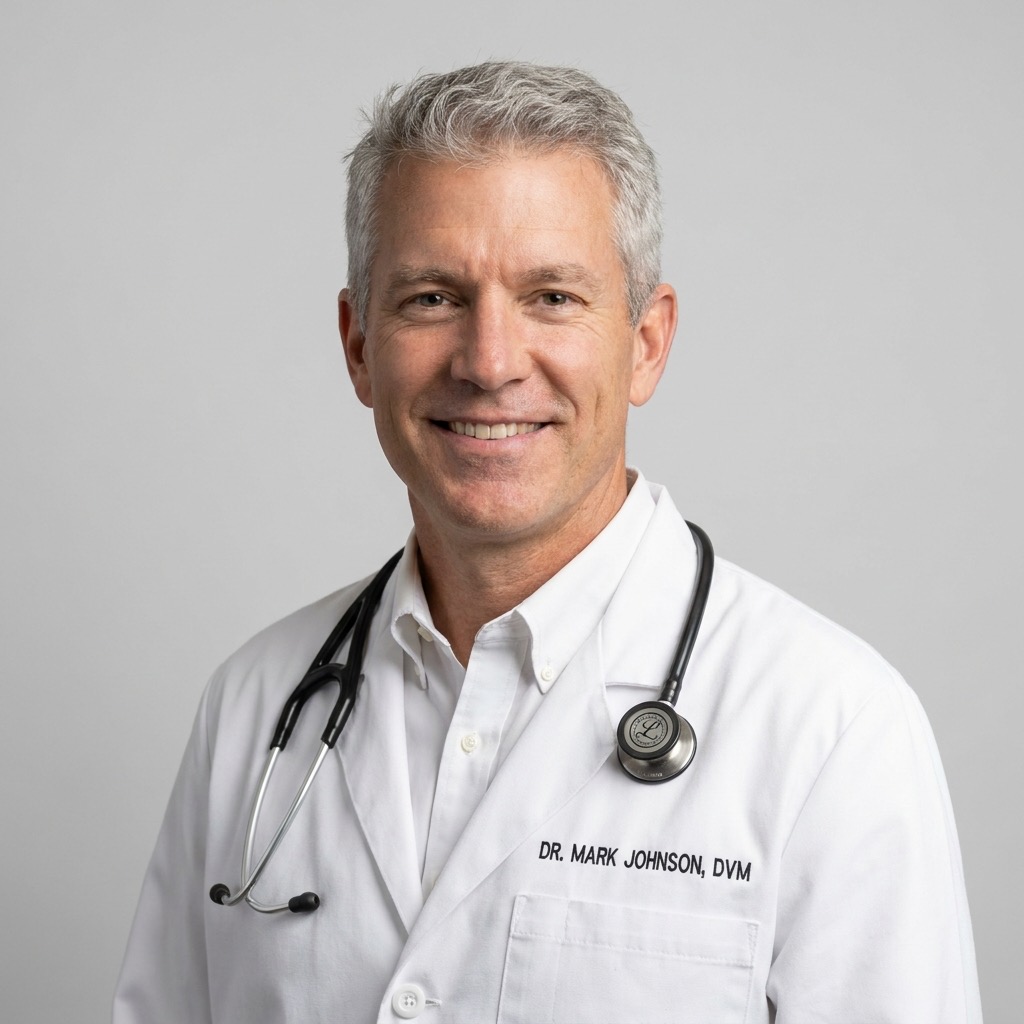
The single most common phone call I receive from a panicked pet owner, after a surgery has gone wrong, is some version of: "But he was fine before the procedure." The owner is not lying. From their perspective, the dog was eating, walking, wagging his tail, and seemed normal the morning of the surgery. From my perspective, sitting in the treatment room looking at a packed cell volume of 18 percent and a blood urea nitrogen of 80, the dog was not fine. The dog had chronic kidney disease that had been silently progressing for months. The pre-anesthesia panel told me that. The owner did not know it. We cancelled the elective procedure, treated the kidney disease, and a month later did the surgery safely. The dog lived. Not every dog is that lucky.
This article is meant to be the practical view of pre-anesthesia bloodwork from the veterinarian's side. We will go through what the standard panel actually measures, what each value means for the anesthesia plan, how the ASA risk grading system works, what to do when a value comes back abnormal, and the four mistakes I see most often in the pre-surgical phase that lead to anesthetic death in animals that, in a different clinic, would have lived.
Why pre-anesthesia bloodwork matters
Anesthesia is, at the physiological level, a controlled poisoning of the central nervous system. The drugs depress respiration, depress cardiac output, alter hepatic blood flow, alter renal perfusion, and modify the body's ability to regulate blood pressure and body temperature. A healthy animal with intact organ function can compensate for these effects. An animal with subclinical organ dysfunction cannot. The subclinical disease was not visible to the owner, was not visible on physical exam, and would not have been visible without the lab work. The bloodwork reveals it. The anesthesiologist modifies the plan. The animal survives.
The cost of a standard pre-anesthesia panel in most US clinics is between $80 and $200. The cost of an anesthetic death — emotionally, financially, in terms of trust between the client and the clinic, and in terms of the technician and the veterinarian who has to live with it — is incalculable. The economics alone justify the panel. The medical logic alone justifies the panel. And yet, every week, I see clients decline the panel because the animal "seems healthy." Some clinics offer the panel as optional rather than required. Some clinics do not offer it at all. Both are mistakes.
What the standard panel measures
A standard canine or feline pre-anesthesia panel (often called a "mini chemistry" or "pre-surgical panel") includes the following analytes. The exact list varies by clinic and by lab, but the core tests are consistent.
Complete blood count (CBC):
- Packed cell volume (PCV) or hematocrit (Hct): the percentage of blood that is red blood cells. Low PCV indicates anemia, which can affect oxygen delivery under anesthesia. High PCV indicates dehydration or polycythemia.
- Red blood cell count, white blood cell count, platelet count: indicators of bone marrow function, infection, and clotting ability.
- White blood cell differential: neutrophils, lymphocytes, monocytes, eosinophils, basophils. Elevated neutrophils often indicate infection or inflammation. Low values can indicate immune compromise.
Chemistry panel (the most important part for anesthesia):
- Blood urea nitrogen (BUN): a waste product of protein metabolism, excreted by the kidneys. Elevated BUN can indicate kidney disease, dehydration, high-protein diet, or GI bleeding. It is a rough screening test, not a definitive one.
- Creatinine (CREA): another kidney function marker, more specific than BUN. Elevated creatinine is a strong indicator of reduced kidney function. The combination of BUN and creatinine is the standard kidney screen.
- Alanine aminotransferase (ALT): a liver enzyme. Elevated ALT indicates liver cell damage, although it does not tell you the cause.
- Alkaline phosphatase (ALP): another liver enzyme, also elevated in cholestasis, certain endocrine diseases (especially Cushing's), and in young growing animals.
- Total protein (TP) and albumin (ALB): indicators of nutritional status, liver function, and protein-losing diseases.
- Glucose (GLU): low glucose can cause delayed anesthetic recovery and seizures; high glucose can indicate diabetes, which complicates anesthesia.
- Electrolytes: sodium (Na), potassium (K), chloride (Cl), and sometimes ionized calcium (iCa). Potassium is particularly important — hyperkalemia can cause cardiac arrhythmias under anesthesia.
- Total bilirubin (TBIL): elevated in liver disease and hemolytic anemia.
Some panels also include:
- Amylase and lipase (pancreatic markers)
- Globulin levels
- Bicarbonate or blood gas
A full "comprehensive" panel adds more tests, but the standard pre-anesthesia panel above is what most clinics run for healthy patients.
What the results mean for the anesthesia plan
The values themselves are not the whole story. The combination of values, the patient's age, breed, physical exam findings, and the planned procedure all matter. Here is what I am thinking when I see each value.
BUN elevated, creatinine elevated, urine specific gravity low: This is chronic kidney disease. Anesthesia requires drugs that are renally excreted (most of them) and requires stable renal perfusion. The plan changes: pre-anesthesia IV fluids for 12 to 24 hours, reduced doses of renally excreted drugs (or substitution with hepatically metabolised alternatives), careful blood pressure monitoring, post-anesthesia IV fluids for 12 to 24 hours, and a hospital stay rather than same-day discharge. The surgery is delayed until the kidney values are stable.
BUN elevated, creatinine normal, PCV elevated: This is dehydration. Rehydrate the patient with IV fluids for 12 to 24 hours, recheck the values, and proceed when the BUN has normalised. Same-day procedure if the values normalise.
ALT and ALP both elevated, albumin low: This is significant liver disease. Anesthesia is delayed until a full liver workup (bile acids, abdominal ultrasound, possible biopsy) is completed. Most anesthetic drugs are hepatically metabolised, and a sick liver cannot clear them, leading to prolonged recovery and possible hepatic encephalopathy.
Glucose low: Hypoglycemia. Delayed recovery and seizures are the main risk. Dextrose is added to the IV fluids, the patient is rechecked, and the procedure may be delayed until the glucose is stable.
Glucose high: Hyperglycemia. May indicate diabetes, which complicates anesthesia significantly. Diabetic patients require a specific insulin-and-feeding protocol around the procedure. Diabetes is not a contraindication to anesthesia, but it requires planning.
PCV low (anemia): Affects oxygen delivery. The patient may need a transfusion before or during the procedure. Mild anemia (PCV 25 to 30% in dogs) is usually manageable. Severe anemia (PCV below 20%) usually requires transfusion.
Potassium high (hyperkalemia): Cardiac arrhythmia risk. The procedure is delayed or cancelled until the potassium is corrected. Hyperkalemia is most often seen in Addison's disease, kidney failure, or urinary obstruction. Each is a separate workup.
Platelets low: Bleeding risk. The procedure is delayed until a coagulation profile is run and the cause is identified.
The point is that each value triggers a specific decision. The panel is not a checkbox. It is a series of decision points that the anesthesiologist uses to construct a safe plan.
The ASA risk grading system
The American Society of Anesthesiologists (ASA) physical status classification is the standard risk grading system used in both human and veterinary medicine. The system has five grades (plus a sixth for brain-dead organ donors, which does not apply here).
- ASA 1: Normal healthy patient. No organic disease, no clinical abnormalities. Examples: a 2-year-old healthy dog or cat presenting for a routine spay or neuter.
- ASA 2: Mild systemic disease, no clinical signs. Examples: well-controlled heartworm-positive dog, early-stage heart murmur, well-controlled hypothyroidism, obese but otherwise healthy.
- ASA 3: Moderate to severe systemic disease, clinical signs present but not incapacitating. Examples: clinical heart disease, moderate kidney disease, diabetic patient, clinically symptomatic heart murmur.
- ASA 4: Severe systemic disease, constant threat to life. Examples: advanced heart failure, severe kidney failure, septic patient, major trauma.
- ASA 5: Moribund patient, not expected to survive without the operation. Examples: ruptured major organ, severe trauma with shock, septic peritonitis.
The ASA grade is assigned before the procedure based on the physical exam, the history, and the lab work. The grade affects the anesthesia plan, the monitoring intensity, the staff required, and the owner's informed consent.
Most routine spays and neuters are ASA 1 or 2. A geriatric dental on a 14-year-old dog with early kidney disease is ASA 3. A hit-by-car trauma patient in shock is ASA 4. The grading system is not a precise predictor of anesthetic risk, but it is a useful framework for communication, planning, and documentation.
What to do when values come back abnormal
This is the part where the decision is made. There are five possible responses, depending on what the abnormality is.
- Proceed as planned. The values are within normal range or the abnormalities are minor and explained (e.g. mild elevation of liver enzymes in a young, otherwise healthy animal on a high-fat diet).
- Modify the plan and proceed. The abnormalities are explainable and manageable (e.g. mild dehydration that responds to IV fluids; well-controlled diabetes with a specific perioperative insulin protocol).
- Delay the procedure and treat the underlying condition. The abnormalities are significant (e.g. severe anemia, severe kidney disease, uncontrolled diabetes). The procedure is delayed, the underlying condition is treated, and the procedure is rescheduled.
- Cancel the procedure indefinitely. The abnormalities are life-threatening or the underlying condition makes anesthesia unacceptably risky (e.g. end-stage organ failure).
- Proceed under emergency conditions. The procedure is required to save the patient's life despite the abnormal values (e.g. the hit-by-car patient with internal bleeding, who needs surgery now to survive, regardless of the lab values).
For elective procedures (spay, neuter, dental, mass removal), the answer is almost always 1, 2, or 3. The procedure is delayed whenever the lab values suggest subclinical disease that has not been worked up. For emergency procedures, the answer is 5, and the anesthesiologist manages the abnormal values as part of the perioperative care.
The pediatric, adult, and senior patient
Age alone does not change the ASA grade, but it changes the probability of abnormal values and the threshold for action.
Pediatric patients (under 1 year): Generally healthy. Most pre-anesthesia panels come back normal. The exception is congenital defects (patent ductus arteriosus, portosystemic shunt), which may show as low BUN, low albumin, and elevated bile acids. Pediatric patients are also more susceptible to hypothermia under anesthesia, which is a separate concern managed with active warming.
Adult patients (1 to 7 years): Generally healthy. Pre-anesthesia panels usually come back normal. The exceptions are breed-specific issues (Greyhounds with high PCV, Schnauzers with high triglycerides, Dobermans with cardiomyopathy) that may be picked up on a careful pre-anesthesia workup.
Senior patients (over 7 years): Increasingly likely to have subclinical organ dysfunction. The pre-anesthesia panel is not optional in this group. Many senior patients will come back with mild to moderate elevations in BUN, creatinine, ALT, or ALP, even though they appear healthy on physical exam. These elevations change the anesthesia plan. The senior patient is the one where the panel most often pays for itself.
The four mistakes
Mistake 1: Skipping the panel because the patient "looks healthy." This is the most common and the most serious. The panel exists precisely because the appearance of health does not rule out subclinical disease. The cat that looks healthy but has a BUN of 60 is not healthy. The dog that looks healthy but has a PCV of 22 is not healthy. The panel reveals the truth. Skipping it for an elective procedure is malpractice-adjacent.
Mistake 2: Treating the panel as a one-time test. A pre-anesthesia panel from 18 months ago is not a current pre-anesthesia panel. Organ function can change significantly in 6 to 12 months, especially in senior patients. A new panel is run before every anesthetic episode, even if the patient has had a normal panel before.
Mistake 3: Cancelling the procedure on a single mildly abnormal value without context. A single mildly elevated value in an otherwise healthy patient is not always a reason to cancel. A BUN of 30 in a dog on a high-protein raw diet, with normal creatinine and normal urine specific gravity, is not kidney disease. The panel is interpreted in context, not as a series of isolated numbers. The anesthesiologist who cancels every procedure on a single mildly elevated value is being overly cautious. The anesthesiologist who never cancels is being reckless. The right answer is in the middle.
Mistake 4: Failing to communicate the abnormal values to the owner in a way that informs consent. The owner is the one who decides whether to proceed. If the panel comes back with a value that increases risk, the owner must be told — clearly, in plain language, with the implications explained — before consenting to the procedure. "The kidney values are a little high, but it should be fine" is not informed consent. "The kidney values suggest that your dog has moderate kidney disease, which means the anesthesia plan will be different and the recovery will be slower, and the risk of a complication is roughly X percent" is informed consent. The clinic that fails to communicate clearly is the clinic whose clients feel betrayed when something goes wrong.
Closing the loop
Pre-anesthesia bloodwork is not a billing item. It is the single most useful tool the anesthesiologist has to identify subclinical disease, modify the plan, and reduce risk. The healthy patient is the patient whose panel confirms what the physical exam suggested. The sick patient is the patient whose panel revealed disease that the owner and the veterinarian did not know was there. Both patients benefit from the panel. The first because the panel confirms safety. The second because the panel reveals risk and allows the risk to be managed. There is no scenario in which a thoughtful pre-anesthesia panel is wasted money. The clinic that treats it as optional is the clinic that learns the hard way, one anesthetic death at a time.